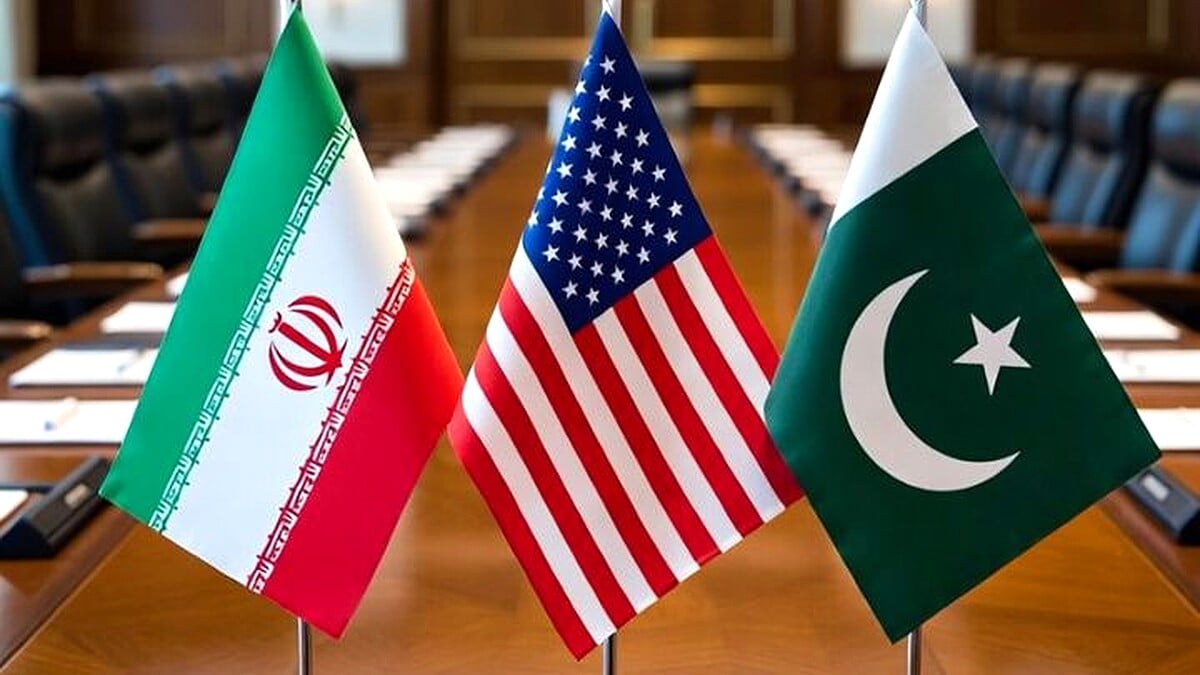




ISLAMABAD: Iran has conveyed a strong message to Pakistan, its potential mediator, accusing the United States and Israel of destabilizing the entire region through ongoing military actions.
This communication comes as Pakistan hosts regional diplomatic gatherings aimed at de-escalating the month-long conflict that began with US and Israeli strikes on Iranian targets in late February 2026.
Regional powers including diplomats from Saudi Arabia, Turkey and Egypt gathered in Islamabad around March 29 to discuss ending the fighting, according to multiple reports from international outlets like AP News.
Iran’s parliament speaker Mohammad Bagher Qalibaf dismissed these talks as a potential cover for further escalation, stating that Iranian forces were prepared to confront any American ground troops.
He warned that US Marines arriving in the region, numbering about 2,500 trained in amphibious operations, would face fierce resistance.
Pakistan has positioned itself as a key intermediary, relaying messages between Washington and Tehran.
Foreign Minister Ishaq Dar publicly confirmed that indirect talks were underway, with Pakistan conveying a US 15-point proposal to Iran.
Iran is said to be deliberating on these points while countering with its own five conditions, including demands for war reparations and recognition of its sovereignty over the Strait of Hormuz.
The strategic waterway remains critical, as disruptions there have already impacted global energy flows and contributed to rising oil prices.
Russia Today highlighted Iran’s direct assertion to Pakistan that US and Israeli policies were the primary source of regional instability.
This claim aligns with broader concerns expressed by Moscow at the United Nations, where Russian officials warned that continued aggression could trigger irreversible consequences across the Middle East.
The conflict has entered its fifth week, drawing in Iranian-backed groups such as the Houthis and raising fears of wider spillover.
Strikes have targeted sites near Tehran, including bridges, while Iranian responses involved missile and drone launches across the region.
Pakistan’s mediation role has drawn both praise and skepticism.
Iran’s President Masoud Pezeshkian reportedly thanked Pakistan for its efforts to halt what Tehran calls aggression.
Yet Iranian officials have also rejected aspects of the US framework and denied full endorsement of Pakistan’s intermediary claims in some statements.
The involvement of additional actors like Turkey and Egypt underscores the multilateral nature of the push for dialogue.
Analysts note that Pakistan’s unique position, with ties to both Washington and Tehran, allows it to facilitate back-channel communications despite the absence of direct US-Iran talks.
The arrival of US naval and marine forces has heightened tensions, prompting Iranian threats against American and Israeli-linked targets, including universities in the region.
Revolutionary Guard statements indicated that such sites could be considered legitimate if Iranian institutions faced risks.
Global energy markets have reacted sharply, with concerns over the Strait of Hormuz potentially blocking significant portions of worldwide oil shipments.
Former Iranian diplomats have cautioned that prolonged conflict could reshape the Middle East’s security architecture for years.
Pakistan faces a delicate balancing act, managing its relationships while hosting sensitive discussions.
Some reports suggest mediation efforts have encountered dead ends, with Iran unwilling to meet US officials under current conditions in Islamabad.
Alternative venues such as Qatar or Istanbul are reportedly under consideration by Turkey and Egypt.
The situation remains fluid, with ongoing strikes and diplomatic maneuvering occurring simultaneously.
Regional stability hinges on whether indirect channels can yield tangible progress toward a ceasefire.
Observers point to the high stakes, including potential refugee flows, sectarian tensions, and disruptions to trade routes that affect economies far beyond the Middle East.
Pakistan’s army chief and political leadership have engaged at high levels, including reported communications with US counterparts.
This positions Islamabad at the center of efforts to prevent further escalation into a broader regional war.
As talks continue behind the scenes, the accusations from Tehran serve as a reminder of deep-seated grievances over perceived external interference.
The coming days may determine if mediation can bridge the divide or if military dynamics will dominate.