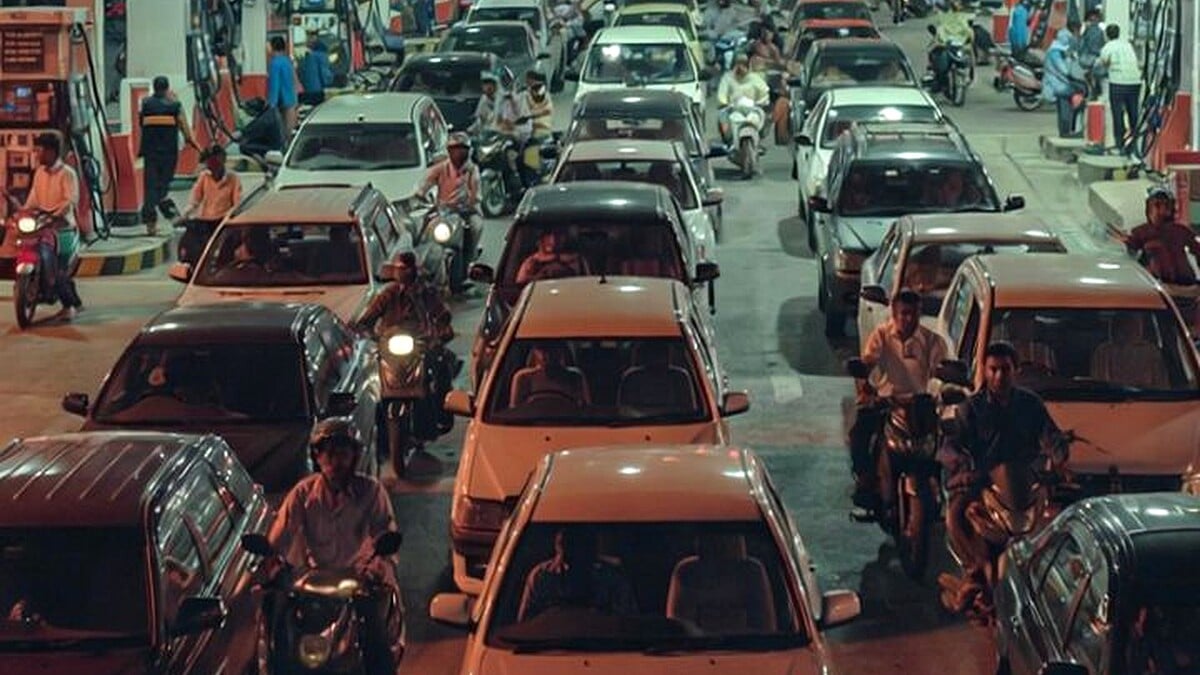




ISLAMABAD: The Pakistan government has once again burdened ordinary citizens with excessive taxes on petrol and diesel, pushing prices to historic highs even as international factors are cited.
Petrol now costs Rs458.41 per litre while high-speed diesel stands at Rs520.35 per litre following the latest sharp increase announced on Thursday.
The hike added Rs137.24 to petrol and Rs184.49 to diesel in a single move, marking one of the steepest jumps in recent memory.
Critics point out that the government dramatically raised the petroleum development levy on petrol from Rs106 to a record Rs161 per litre, an increase of Rs55 in taxes alone.
This single levy now forms a massive chunk of the final price paid at pumps across the country.
Regional media reports highlight how the government is collecting over Rs 200 per litre in pure taxes and levies on petrol, far exceeding the base cost of the fuel itself. The actual price as per the international rate turns out to be Rs 246.
On every litre of petrol, consumers effectively pay nearly 35 to 40 percent in various government charges including petroleum levy, customs duty, and climate support levy.
Earlier data showed taxes and margins accounting for Rs107 to Rs125 per litre before the latest escalation, with the new levy pushing the burden even higher.
The government justifies the move by pointing to global oil price volatility linked to the ongoing Middle East conflict.
However, opposition voices and business groups argue that the excessive taxation goes beyond passing on international costs and serves mainly to fill fiscal gaps.
Petroleum levy collections are budgeted to generate over Rs1,468 billion in the current fiscal framework, forming a critical non-tax revenue stream for the federal government.
This reliance on fuel taxes has drawn sharp criticism from economists and political parties who say it disproportionately hurts the middle and lower classes.
Transport costs, food prices, and everyday commodities are expected to surge further as the ripple effects of higher diesel prices hit logistics and agriculture.
Motorcycle users and public transport commuters face particular hardship, though the government has announced limited targeted subsidies of Rs100 per litre for select categories.
Analysts note that while international crude prices fluctuate, Pakistan’s final pump prices include layers of fixed levies that rarely decrease even when global rates soften.
The latest hike comes despite earlier periods where the government maintained or slightly adjusted levies amid public pressure.
Jamaat-i-Islami and other parties have repeatedly slammed the policy as unfair burdening of common citizens already struggling with inflation.
Former officials have questioned whether oil marketing companies also benefit from such sudden adjustments on existing stocks.
Pakistan’s fuel pricing mechanism allows weekly reviews, yet critics say the structure consistently favours revenue generation over consumer relief.
With no general sales tax currently applied, the petroleum levy and related duties remain the primary tools extracting billions from fuel consumption.
The carbon support levy of Rs2.50 per litre adds another layer, with plans for future increases.
Public frustration is mounting as daily wage earners, small businesses, and transporters absorb the impact with little cushion.
The government maintains that such measures are unavoidable to meet fiscal targets and international obligations.
Yet many regional commentators describe the pattern as repeated reliance on indirect taxes that hit the masses hardest.
As fuel prices climb beyond Rs450 for petrol, questions grow over the long-term affordability and its effect on economic growth.
The policy continues to spark debate on whether relief could come through broadening the tax base instead of deepening the burden on essential commodities.