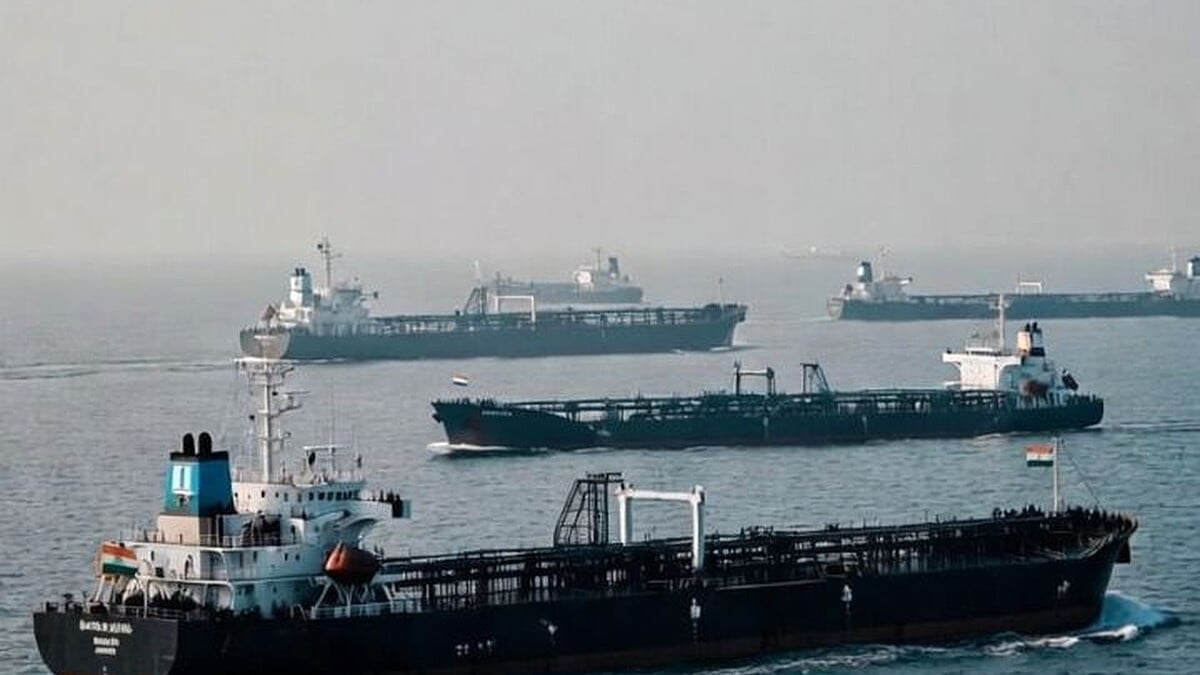




ISLAMABAD: Iranian authorities have conditioned the release of three tankers seized by India earlier this year on guarantees for the safe passage of Indian-flagged and India-bound vessels through the Strait of Hormuz.
This development emerged in diplomatic talks as escalating regional conflicts disrupted maritime traffic in the critical waterway.
India detained the vessels Asphalt Star, Al Jafzia and Stellar Ruby in February off the Mumbai coast following allegations of sanctions evasion.
The ships, linked to US-designated entities involved in Iran’s shadow fleet operations, faced charges of illegal ship-to-ship transfers and identity concealment.
Jugwinder Singh Brar, accused by the United States of managing a fleet facilitating Iranian oil exports, claimed the tankers carried legitimate bitumen cargo.
Brar described the detention as causing significant financial losses and insisted no wrongdoing occurred.
In response to the seizures, Iran has now linked their release to reciprocal assurances on Hormuz transit.
Sources familiar with the negotiations indicated Tehran formally requested the return of the three vessels during discussions with Indian officials.
The request coincided with India’s urgent efforts to secure safe passage for over 20 stranded tankers and hundreds of Indian seafarers in the Gulf.
Recent reports confirmed Iran permitted two Indian LPG carriers to transit the strait successfully.
One vessel reached its destination, signaling a limited exemption amid broader restrictions on shipping.
Analysts interpret this as a tit-for-tat diplomatic maneuver by Tehran.
Iran’s actions appear aimed at pressuring India to drop enforcement measures against vessels suspected of aiding its sanctioned oil trade.
The Strait of Hormuz remains a vital chokepoint, handling a substantial portion of global oil flows and India’s crude imports.
Heightened tensions from US-Israeli engagements with Iran have increased risks, prompting selective permissions for friendly nations.
Indian sources emphasized ongoing dialogue to ensure uninterrupted energy supplies without compromising maritime security commitments.
Tehran has denied formally closing the strait while allowing select transits to avoid broader economic fallout.
The episode highlights the intricate balance India maintains between international sanctions compliance and energy security needs.
Iran also sought supplies of medicines and medical equipment in the broader negotiations.
Indian authorities have rejected some characterizations of the talks as direct quid pro quo arrangements.
The government described certain media reports linking the issues as baseless.
Despite denials, the timing of permissions for Indian vessels after prolonged detentions suggests reciprocal dynamics at play.
Brar continues to advocate for the tankers’ release, threatening legal recourse.
The detained ships remain under investigation, with implications for future India-Iran maritime engagements.
This standoff underscores vulnerabilities in global energy routes amid geopolitical rivalries.
As discussions progress, the outcome could influence bilateral ties and broader sanctions enforcement in the region.
India’s enforcement action in February aligned with US-led efforts against shadow fleets.
Iran’s conditional stance reflects strategic leverage over a key transit point.
The situation remains fluid, with potential for further diplomatic resolutions or escalations.