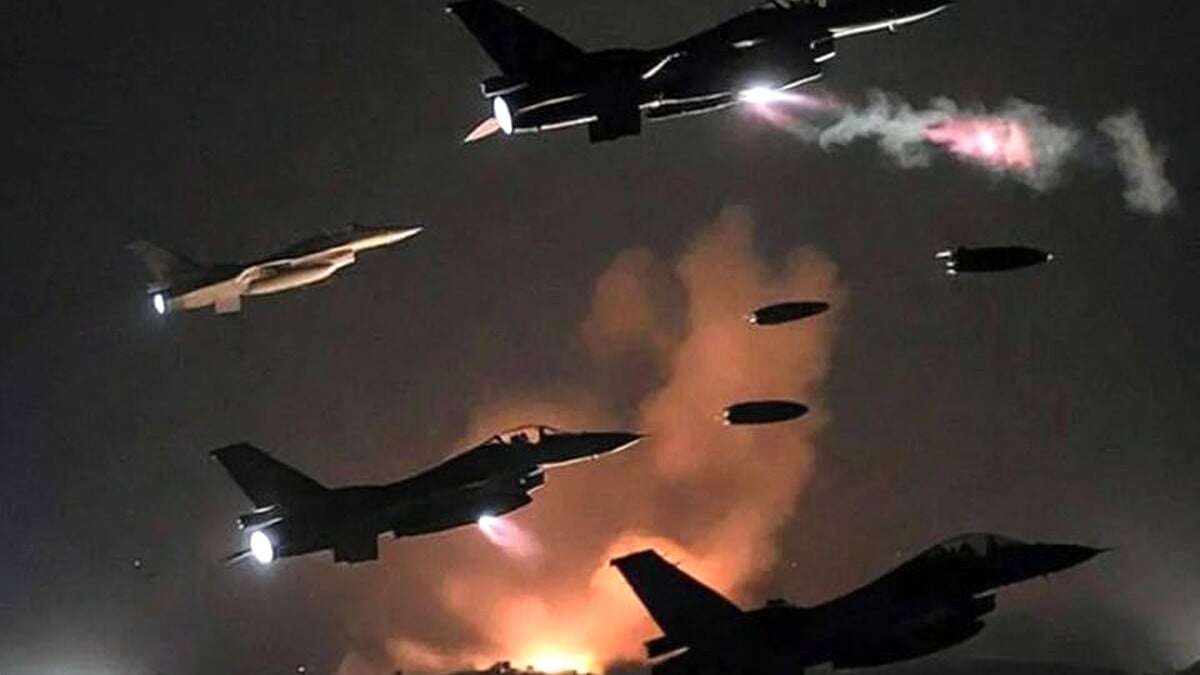




ISLAMABAD: Multiple loud explosions echoed across Kabul late on Thursday night, with residents reporting sounds of airstrikes and heavy anti-aircraft fire in the Afghan capital, according to local sources and eyewitness accounts.
The blasts, heard in several districts including central and eastern areas of the city, come amid heightened tensions between Pakistan and the Taliban-led Afghan government. Details remain limited, but Afghan officials have described the incidents as fresh Pakistani military operations targeting alleged militant positions linked to the Tehrik-i-Taliban Pakistan (TTP).
Pakistan has confirmed conducting precision strikes on terrorist infrastructure inside Afghanistan, aimed at neutralizing threats from groups operating along the porous border. A Pakistani security official stated that the operations focused on hideouts used by militants planning attacks inside Pakistan.
In the most recent confirmed strikes on March 13, 2026, Pakistani airstrikes hit residential areas in Kabul’s Pul-e-Charkhi neighborhood, killing at least four civilians and injuring 15 others, including women and children, according to Kabul police spokesperson Khalid Zadran. The United Nations Assistance Mission in Afghanistan (UNAMA) corroborated civilian casualties from these airstrikes.
The Taliban government condemned the attacks as violations of Afghan sovereignty, accusing Pakistan of targeting civilian homes rather than legitimate military sites. Taliban spokesman Zabihullah Mujahid reported additional strikes in border provinces, contributing to a rising death toll.
This escalation forms part of a broader conflict that intensified in February 2026, when Pakistan launched multiple airstrikes on eastern Afghan provinces following Taliban cross-border offensives. On February 26 and 27, explosions rocked Kabul after Pakistani jets targeted sites in the capital, Kandahar, and Paktia, with residents describing continuous blasts and jet noise overhead for hours.
Afghan authorities claimed the strikes hit ammunition depots and residential zones, triggering secondary explosions from ignited ordnance. Pakistan reported inflicting heavy casualties on Taliban fighters and militants during these operations.
The current wave of violence traces back to longstanding border disputes and militant activities. Pakistan has repeatedly accused the Taliban of harboring TTP fighters, who have carried out deadly attacks inside Pakistan, including in Khyber Pakhtunkhwa and Balochistan.
In retaliation, Pakistan has conducted over a dozen airstrikes since late February 2026, targeting alleged militant camps and logistics hubs. These have included strikes on fuel depots near Kandahar airport, destroying significant quantities of fuel and causing fires visible from afar.
Kabul has faced recurrent security threats even before this bilateral conflict. Under Taliban rule since August 2021, the capital has witnessed attacks primarily from the Islamic State Khorasan Province (ISKP), a rival jihadist group.
In 2024 and 2025, ISKP claimed responsibility for several high-profile incidents in Kabul, including suicide bombings and targeted killings against Taliban officials, Shia minorities, and foreign interests. A September 2024 attack outside a Taliban prosecution office killed at least 21 people, mostly civilians.
Earlier in January 2026, ISKP carried out an assault on a restaurant in Kabul’s Shahr-e-Naw district, killing six Afghans and one Chinese national, highlighting persistent vulnerabilities in the capital’s security.
Historical data shows Kabul’s long exposure to violence. During the 2001-2021 US-led war, the city endured frequent Taliban bombings, insurgent assaults, and complex attacks. Notable incidents include the 2017 Kabul ambulance bombing that killed over 150 people and the 2021 airport attack during US evacuation, which claimed around 170 Afghan lives and 13 American service members.
Since the Taliban takeover, while large-scale Taliban offensives have ceased, ISKP attacks and internal Taliban crackdowns have kept civilian casualties elevated. UNAMA reports indicate hundreds of civilian deaths annually from security incidents.
The ongoing Pakistan-Afghanistan clashes have displaced additional populations along the border and raised fears of wider regional instability. Diplomatic efforts remain stalled, with both sides trading accusations while civilian areas bear the brunt.
Analysts note that without de-escalation, such incidents risk further humanitarian fallout in an already fragile Afghanistan. Local sources in Kabul continue to report sporadic sounds of explosions, underscoring the uncertainty as details of the latest events emerge.