



ISLAMABAD: A prominent adviser in the Donald Trump administration has publicly cautioned that Israel could contemplate using a nuclear weapon against Tehran if the current war with Iran drags on, amid reports of severe damage to Israeli defenses and infrastructure.
David Sacks, serving as the White House AI and cryptocurrency czar, made the remarks during an appearance on the influential All In podcast. He described Israel as enduring the heaviest attacks in its history, despite the conflict entering only its third week.
Sacks stated that Israel is “getting hit harder than they’ve ever been hit before,” pointing to Iranian missile barrages that have strained air defense systems. He warned that sustained pressure could exhaust these defenses, leaving major population centers vulnerable.
The adviser emphasized that a prolonged campaign risks Israel’s very survival. “If this war continues for weeks or months, then Israel could just be destroyed,” Sacks said, highlighting the asymmetric toll from Iranian strikes.
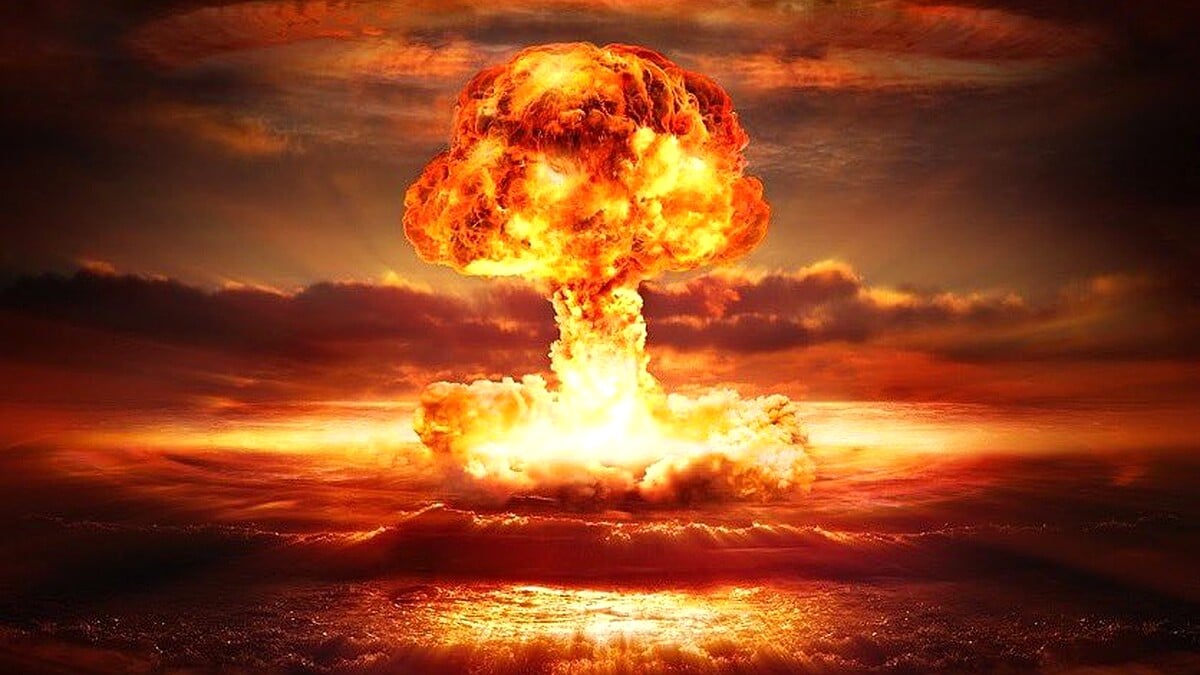
He then raised the nuclear dimension, suggesting escalation could push Israel toward extreme measures. Sacks noted the potential for Israel to use a nuclear weapon, describing such an outcome as “truly catastrophic” with far-reaching regional and global consequences.
The comments mark the first on-record expression of concern from a senior Trump administration figure regarding the war’s trajectory. Sacks criticized voices within Republican circles advocating further escalation, including potential ground operations.
He advocated for an “off-ramp,” urging the United States to “declare victory and get out” to avert broader disaster. Sacks referenced Iran’s capabilities, including threats to Gulf energy infrastructure that could render parts of the region uninhabitable through attacks on desalination plants and oil facilities.
The Haaretz newspaper reported Sacks’ statements in detail, framing them as dramatic yet partly unfounded in some claims about missile damage levels. The outlet noted no Israeli officials have indicated any consideration of nuclear options.
The war began on February 28, 2026, with coordinated U.S.-Israeli airstrikes targeting Iranian sites, following the assassination of Supreme Leader Ali Khamenei and other officials. Trump administration officials justified the action by citing renewed Iranian nuclear ambitions and missile threats.
Over two weeks, the conflict has involved extensive air campaigns, with Israel launching repeated strikes on Iranian military and energy targets. Iran has retaliated with missile and drone attacks, closing parts of the Strait of Hormuz and disrupting global oil flows.
U.S. Energy Secretary Chris Wright acknowledged persistent high energy prices, with no immediate guarantees of decline. Trump has called on allies to deploy warships to secure the vital waterway, though responses remain limited.
Israeli military sources indicate plans for at least three more weeks of operations, focusing on degrading Iranian capabilities. The Trump administration has rejected mediation efforts by Oman and Egypt for ceasefire talks, insisting on Iranian concessions including full nuclear dismantlement.
Sacks’ podcast remarks reflect growing divisions within the MAGA coalition over the war. Some hardline figures push for deeper involvement, while others, including Sacks, warn of overextension and unintended escalation.
The nuclear reference evokes Israel’s longstanding policy of ambiguity regarding its arsenal, widely estimated at dozens to hundreds of warheads. No official confirmation exists, and Israel maintains it will not be the first to introduce nuclear weapons in the region.
Analysts note that any Israeli nuclear use would trigger severe international repercussions, potentially isolating the country further and risking wider conflict involving nuclear powers.
Sacks positioned his call for de-escalation as pragmatic, arguing that continued fighting benefits neither side. He highlighted Iran’s “dead man’s switch” potential to devastate Gulf economies through infrastructure sabotage.
The adviser’s influence stems from his role as a 2024 Trump campaign surrogate and donor, alongside his Silicon Valley background. His podcast reaches key audiences in technology and finance sectors.
As the war enters its third week, economic fallout mounts with spiking oil prices threatening global recession risks. Diplomatic channels remain stalled, with both Washington and Tehran rejecting immediate negotiations.
Trump has offered mixed signals on timelines, initially suggesting a four-week operation but later indicating flexibility. Administration officials express optimism for a swift conclusion, yet on-ground realities suggest prolongation.
Sacks’ intervention underscores internal debates within the Trump team on balancing military objectives with strategic restraint. His nuclear warning serves as a stark reminder of the conflict’s high stakes in an already volatile Middle East.
The situation remains fluid, with ongoing strikes and no clear path to resolution. International observers monitor closely for signs of further escalation that could redefine regional security dynamics.