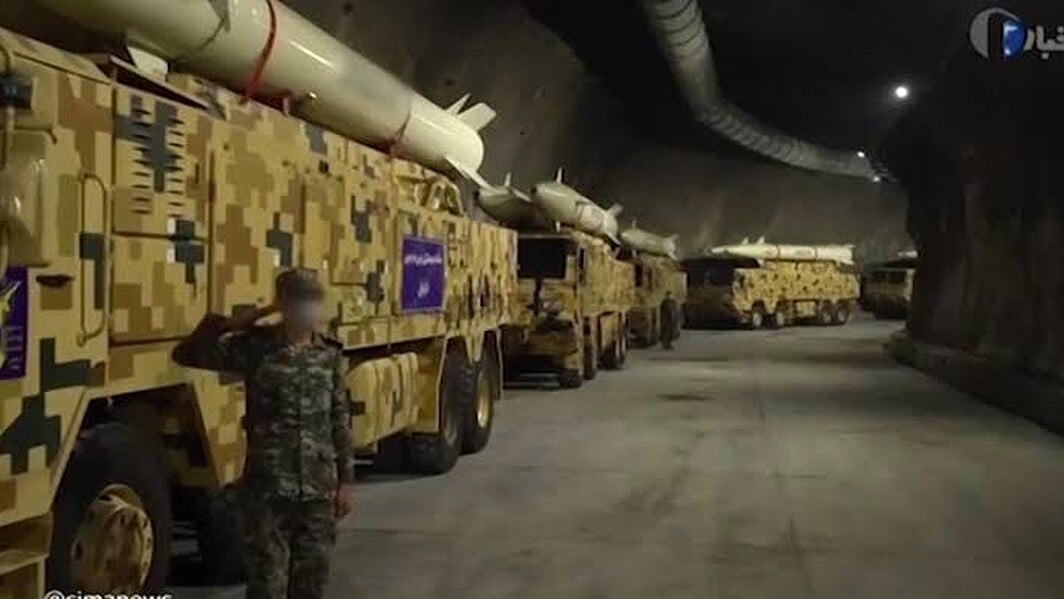




ISLAMABAD: US intelligence officials have expressed growing concern over incomplete visibility into Iran’s remaining ballistic missile launch sites, even as American and Israeli strikes have significantly degraded Tehran’s offensive capabilities in the ongoing conflict.
Two senior military officials revealed that the Pentagon lacks full clarity on all of Iran’s missile launch locations, highlighting persistent challenges in targeting the Islamic Republic’s dispersed and hardened infrastructure.
The officials further noted that Iran has deliberately withheld a substantial portion of its missiles in reserve, specifically to target high-value battlefield assets such as American radar systems and air defence installations.
This strategic reservation underscores Tehran’s adaptive military approach amid nearly two weeks of intense bombardment.
In confidential briefings delivered to lawmakers on Capitol Hill last week, Pentagon officials assessed that Iran continues to retain as much as 50 percent of its missiles and launchers despite extensive US-led operations.
The assessment comes against a backdrop of claims from Defence Secretary Pete Hegseth and Joint Chiefs Chairman Gen Dan Caine that Iran’s ballistic missile launches have plummeted dramatically, with reductions cited as high as 90 percent in some categories since the conflict escalated.
Pre-war estimates placed Iran’s ballistic missile inventory in the thousands, with figures ranging from over 3,000 to more than 2,000 medium-range systems capable of reaching regional targets including Israel and US bases in the Gulf.
Production rates were reported to vary, with some officials estimating dozens to over 100 missiles manufactured monthly before the strikes intensified.
The US and Israeli campaign has prioritised the destruction of launchers, stockpiles, and production facilities, aiming to dismantle Iran’s ability to sustain large-scale barrages.
Recent Pentagon updates indicate that Iran fired its lowest number of missiles in a 24-hour period since hostilities began, reflecting the impact of strikes on key sites.
However, the persistence of smaller-scale attacks, including barrages incorporating cluster warheads, suggests that surviving assets remain operational and capable of inflicting damage.
Iran has launched over 500 ballistic missiles and thousands of drones in retaliation, hitting targets across the region and wounding US personnel.
The officials’ concerns about incomplete intelligence on launch sites point to the difficulties posed by Iran’s underground facilities and mobile launchers, which complicate real-time targeting.
This lack of full situational awareness raises questions about the effectiveness of ongoing efforts to neutralise the threat entirely.
Defence analysts note that while air defences such as Patriot and THAAD systems have intercepted many incoming projectiles, the attrition rate poses long-term challenges for interceptor stockpiles.
The focus on reserving missiles for priority targets like radars indicates a calculated shift in Iranian tactics, aiming to degrade US and allied defensive postures rather than pursue volume-based saturation attacks.
Pentagon leaders have maintained that the joint force is executing its objectives with precision, including the destruction of missile infrastructure to prevent future threats.
Yet the retention of significant reserves, as disclosed in the briefings, illustrates that Iran retains formidable retaliatory potential despite heavy losses.
The conflict, now in its second week, has seen US strikes exceed 5,000 targets, with emphasis on ballistic missile-related assets.
Officials insist that Iran’s capacity for mass launches has been severely curtailed, but the incomplete picture of remaining sites fuels caution among military planners.
Broader implications include the strain on regional stability, with attacks extending to US allies and bases in multiple countries.
The revelations from anonymous officials contrast with public assertions of decisive progress, highlighting the fog of war in assessing Iran’s true remaining strength.
As operations continue, the Pentagon faces pressure to refine intelligence collection and targeting amid Iran’s demonstrated resilience and adaptability.
The situation remains fluid, with both sides adjusting strategies in a high-stakes contest over missile dominance in the Middle East.