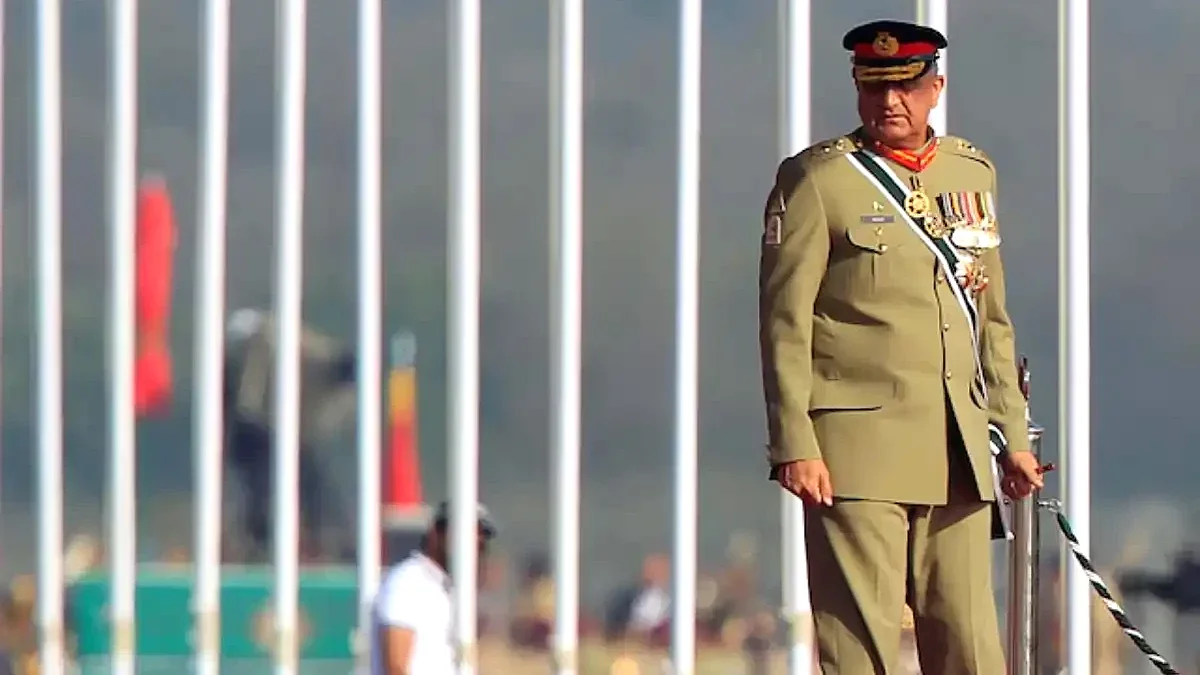




ISLAMABAD: Former Chief of Army Staff General (retd) Qamar Javed Bajwa remains under treatment at a military hospital amid conflicting reports about the severity of his health following an incident at his residence.
Reliable family sources initially described the event as a slip in the washroom leading to a head injury, prompting immediate admission to the Combined Military Hospital (CMH) in Rawalpindi. The Inter-Services Public Relations (ISPR) confirmed the hospitalization, stating that the former army chief was undergoing medical care without providing further details on the nature of the injury.
Journalist Asadullah Khan, in a recent vlog, presented a more alarming account, asserting that the incident involved not merely a fall but a brain hemorrhage. He claimed the former general opened his eyes but failed to recognize even his closest family members, including his sons, indicating significant cognitive impairment.
Such claims have circulated widely on social media platforms and independent channels, fueling public speculation. However, no official medical bulletin from CMH or ISPR has corroborated the brain hemorrhage diagnosis or the extent of disorientation described.
Brain hemorrhage, medically known as intracranial bleeding, occurs when a blood vessel in or around the brain ruptures, leading to blood accumulation that compresses brain tissue. Medical literature indicates it as a life-threatening emergency, often resulting from hypertension, trauma, or vascular abnormalities.
Falls, particularly in confined spaces like bathrooms, can trigger such events through sudden impact or secondary factors. Temperature shifts from one environment to another, as noted in some medical discussions, may contribute to vasovagal responses or exacerbate underlying conditions in susceptible individuals.
Statistics from global health databases show that intracerebral hemorrhage carries a high mortality rate, with approximately 40 to 50 percent of patients not surviving the first month in severe cases. Survivors frequently face long-term neurological deficits, including memory loss, recognition difficulties, and motor impairments.
In Pakistan, military hospitals like CMH maintain advanced neurosurgical facilities capable of handling such emergencies, including imaging, surgical intervention, and intensive monitoring. Prompt transfer within minutes, as reported in family accounts, improves outcomes significantly.
Earlier updates from family relatives, including brother-in-law Naeem Ghumman, emphasized that initial tests showed no life-threatening complications and that the former army chief was out of immediate danger. Some sources mentioned a third-degree atrioventricular block as a possible precipitating factor for loss of consciousness, leading to the fall and subsequent head trauma.
This cardiac condition disrupts normal heart rhythm, potentially causing fainting and injury. Treatment often involves temporary pacemakers, with plans for permanent implantation if required.
Conflicting narratives highlight the challenges in verifying health information of high-profile figures in the absence of official disclosures. While social media amplifies unconfirmed claims, established media outlets have relied on family and ISPR statements focusing on stability and ongoing observation.
General Bajwa served as Chief of Army Staff from 2016 to 2022, a period marked by significant military operations, diplomatic engagements, and domestic political developments. His tenure included leadership during counter-terrorism efforts and border management initiatives.
The incident has drawn attention due to his stature as a retired four-star general and recipient of military honors. Public reactions range from concern to polarized commentary, reflecting ongoing debates about his legacy.
Medical experts stress that sudden falls in older adults warrant thorough evaluation for underlying causes beyond trauma, including cardiovascular assessments and neurological scans. Recovery trajectories vary widely, depending on the bleed’s location, volume, and speed of intervention.
As of the latest available information, General Bajwa continues under close medical supervision in the ICU or specialized ward. No official prognosis has been released, leaving the full extent of his condition subject to future updates from authoritative sources.
Pakistan’s military and medical communities prioritize privacy in such cases, balancing public interest with patient confidentiality. Further developments will likely depend on family or ISPR communications.