



ISLAMABAD: Iran’s ongoing conflict with the United States and its regional allies exemplifies a classic case of asymmetric warfare, where a weaker power leverages time, economics, and selective technology to erode the stronger adversary’s resolve and resources.
The strategy centres on bleeding the US economically rather than seeking direct military confrontation. Every day the conflict persists incurs massive expenditures for Washington, including carrier strike groups, airbase operations, frequent sorties, defensive interceptors, and vast ammunition consumption.
Recent estimates place daily US military costs in the conflict at approximately $891 million, with the first week alone amounting to around $6 billion. Over the initial 100 hours, expenditures reached $3.7 billion, driven by high-value assets like Tomahawk missiles costing $2 million each and advanced fighter jets.
Think tanks such as the Centre for Strategic and International Studies and Brown University’s Costs of War project highlight these figures, noting that broader regional operations since late 2023 have already totalled tens of billions. A prolonged engagement could push total costs toward $40 billion to $95 billion, excluding indirect economic fallout.
Oil prices have surged dramatically amid disruptions in the Strait of Hormuz and attacks on regional energy infrastructure. Brent crude has fluctuated wildly, reaching highs near $119 per barrel in early March 2026 before settling around $99 in volatile trading sessions.
This spike reflects fears of prolonged supply interruptions, with the Strait carrying roughly 20 percent of global seaborne oil. Disruptions have led to production shutdowns and halted tanker traffic, injecting a significant war-risk premium into markets.
Analysts warn that sustained issues could drive prices toward $135 per barrel or higher over months. The surge piles pressure on global economies, raising fuel costs and contributing to inflationary concerns.
In the United States, elevated oil prices translate to higher gasoline prices, with averages climbing notably since the conflict intensified. This development arrives at a politically sensitive time, as midterms approach and affordability remains a voter priority.
The Trump administration has downplayed the spike as temporary, attributing it partly to market fear rather than permanent shortages. Officials emphasise that resolving the Iranian threat will ultimately stabilise energy markets through restored flows.
Yet the economic vice tightens daily. Defence stockpiles deplete rapidly, particularly interceptors for systems protecting Israel and US bases. Replenishment proves slow and exorbitantly expensive, straining logistics and budgets.
Iran has demonstrated restraint in its missile usage during the opening phase. It fired older stockpiles from 2012-2015, as confirmed by debris analysis, preserving modern and advanced systems for potential escalation.
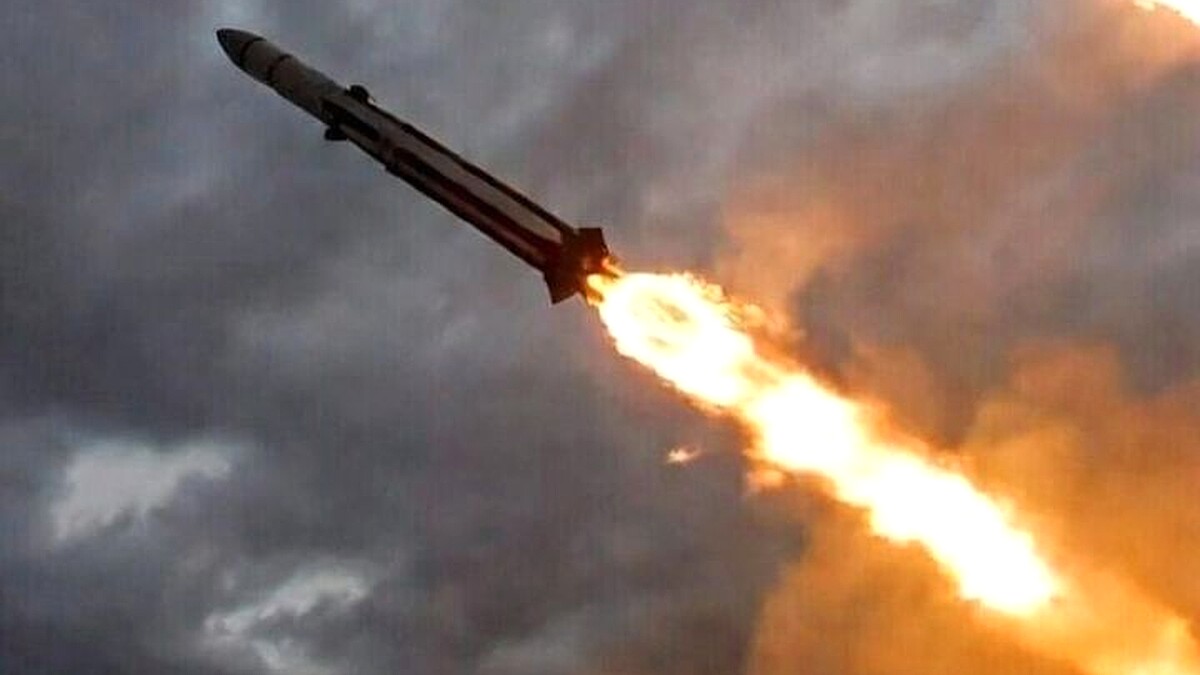
Among reserved capabilities are hypersonic missiles, including variants like Fattah-1 and Fattah-2, capable of speeds exceeding Mach 5 with manoeuvrable trajectories. These weapons, with ranges up to 1,400 km and warheads of 500 kg to one ton, challenge conventional air defences.
Such systems could overwhelm stretched defences if fully deployed. US and allied interceptors face depletion from ongoing salvos, highlighting vulnerabilities in layered missile defence architectures.
Iran weaponises time itself. The longer the conflict drags, the more operational costs explode for the US, stockpiles shrink, and global oil prices climb. This creates compounding leverage for Tehran.
Politically, sustained high energy prices risk domestic backlash in the US. With midterms looming, stability becomes essential for claiming policy successes. Mounting financial and public pressure may compel de-escalation or a negotiated exit framed as victory.
The calculus remains brutal. The United States cannot indefinitely sustain such expenditures without severe strain, while Iran adopts a patient posture, accumulating advantages daily.
Allied air defences grow vulnerable as replenishment lags. Economic ripples extend beyond the region, affecting consumers worldwide through elevated energy costs and market uncertainty.
Iran’s approach underscores asymmetric warfare’s potency in the modern era. By avoiding decisive battles and focusing on attrition, it exploits the asymmetries in cost tolerance and resource endurance.
The endgame appears aimed at forcing Washington into an untenable position. Either a rushed withdrawal or a face-saving declaration emerges as options under intensifying constraints.
As the conflict persists into March 2026, the strategy’s effectiveness becomes evident. Oil volatility, defence depletion, and political timelines converge to compress decision-making horizons.
Iran’s reserved advanced arsenal serves as a deterrent shadow. Untouched hypersonic capabilities represent a potential shock factor, complicating any escalation calculus for opponents.
The United States faces a multifaceted challenge. Military superiority contrasts with economic and political vulnerabilities in prolonged irregular conflict.
Iran’s lesson in asymmetric warfare proves stark. Economic bleeding, timed restraint, and technological hedging combine to shift the balance over time.
The ongoing dynamics suggest that endurance, rather than overwhelming force, may ultimately dictate outcomes in this high-stakes confrontation.