



ISLAMABAD: The ongoing military campaign against Iran, launched by the United States and Israel in late February 2026, has not progressed according to the expectations articulated by US President Donald Trump. What began as a targeted operation to neutralise Iran’s nuclear capabilities, ballistic missiles and naval forces has evolved into a broader and more protracted engagement, with shifting objectives and unforeseen complications emerging on multiple fronts.
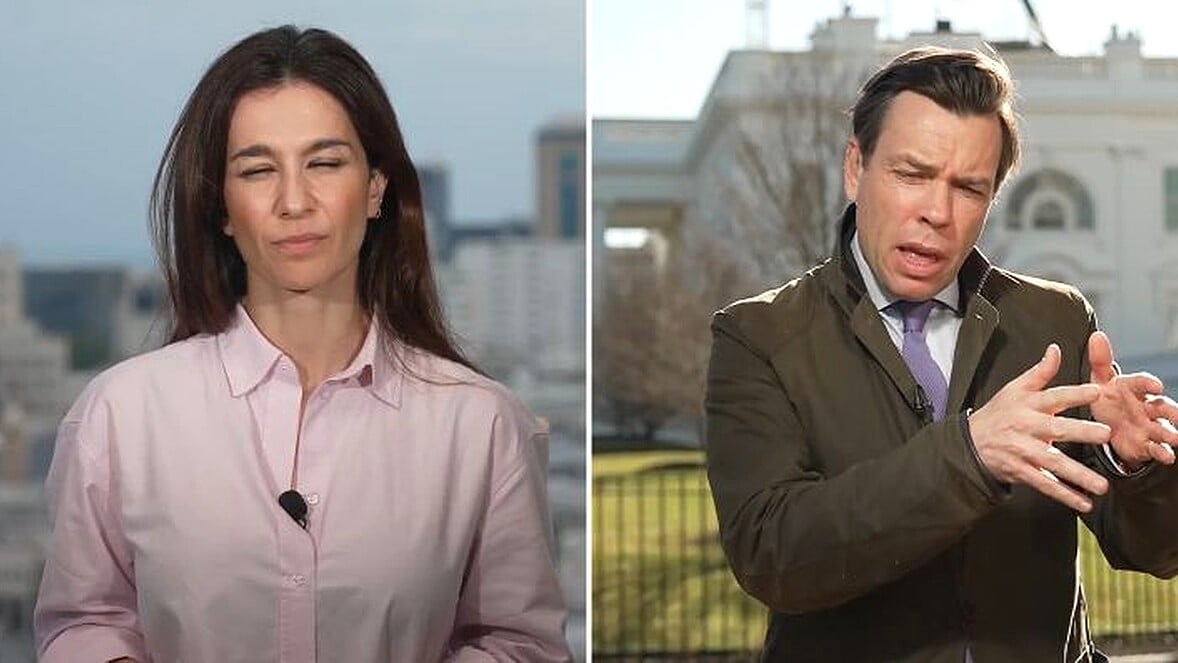
Analysts and media reports, including those from Sky News, have highlighted that the war is deviating from Trump’s anticipated timeline and scope. Initial statements from the administration suggested a limited duration of four to five weeks for achieving core military goals, such as degrading Iran’s missile arsenal and preventing nuclear weapon development. However, Trump has since acknowledged the potential for the conflict to extend “far longer,” indicating a recognition that resistance from Iranian forces and regional dynamics are proving more resilient than foreseen.
The operation, dubbed Operation Epic Fury by the White House, commenced following failed negotiations in 2025. Trump had imposed a 60-day deadline for Iran to accept a new nuclear agreement under his maximum pressure campaign, which included demands to dismantle enrichment programs and cease support for proxy groups. When no deal materialised, strikes began, initially focusing on nuclear sites, command centres and missile facilities. An Israeli airstrike reportedly eliminated Supreme Leader Ayatollah Ali Khamenei, prompting Iran to accelerate succession processes and intensify retaliatory actions.
Early US claims emphasised precision strikes that severely impaired Iran’s ability to project power. Defence assessments indicated significant degradation of ballistic missile stocks and naval assets in the Persian Gulf. Yet, Iran has responded with waves of drone and missile attacks on US interests and allies, including strikes on regional bases and shipping lanes. This has expanded the conflict’s geographic reach, drawing in more actors and raising risks of a wider regional escalation.
Trump’s public messaging has shifted noticeably. Initial framing presented the campaign as a defensive measure against decades of Iranian aggression, coupled with aspirations for Iranian liberation and potential regime change. Subsequent statements have oscillated between neutralising specific threats—such as the navy and proxies—and broader goals like influencing Iran’s leadership transition. Reports note that Trump has expressed interest in involvement in selecting Iran’s next supreme leader, now reportedly Mojtaba Khamenei, while aides clarify that official aims exclude full regime overthrow without ground forces.
Critics point to inconsistencies in administration rationale as evidence of unmet expectations. What was promoted as a quick, overwhelming success has encountered logistical hurdles, including higher-than-anticipated US casualties— with reports of at least six American soldiers killed in drone incidents—and civilian losses in Iran, including strikes on non-military targets. Energy markets have reacted sharply, with global oil prices surging due to threats to Gulf shipping and Iranian oil infrastructure, affecting economies worldwide.
The conflict’s prolongation poses domestic political challenges for Trump. Allies within his administration and congressional supporters express concern over the absence of a clear endgame, fearing entanglement in a prolonged war lacking broad public support. Some advisers advocate declaring partial victory based on achieved degradations and exiting swiftly, while Trump maintains that operations will continue until all objectives are met, without specifying a firm timeline.
Iran’s resilience has surprised observers. Despite heavy losses, the regime has mobilised internal support, apologised to neighbours for spillover effects while threatening further attacks on US targets, and leveraged proxy networks for asymmetric responses. This has complicated US-Israeli strategy, which relies primarily on air power without committing ground troops.
Regional implications continue to unfold. Strikes have affected neighbouring countries through refugee flows, economic disruptions and heightened military alerts. The involvement of multiple nations has turned what was intended as a bilateral confrontation into a more chaotic scenario, with potential for miscalculation.
As the war enters its next phase, questions persist about achievable outcomes. While US forces maintain superiority in conventional terms, the path to a stable resolution—whether through negotiated surrender, internal collapse or sustained pressure—remains uncertain. Trump’s initial vision of a rapid triumph appears tempered by the realities of Iran’s defensive posture and the complexities of Middle Eastern geopolitics.
The coming days will test whether adjustments in strategy can align results more closely with original expectations or if the conflict will demand further escalation and adaptation from Washington.