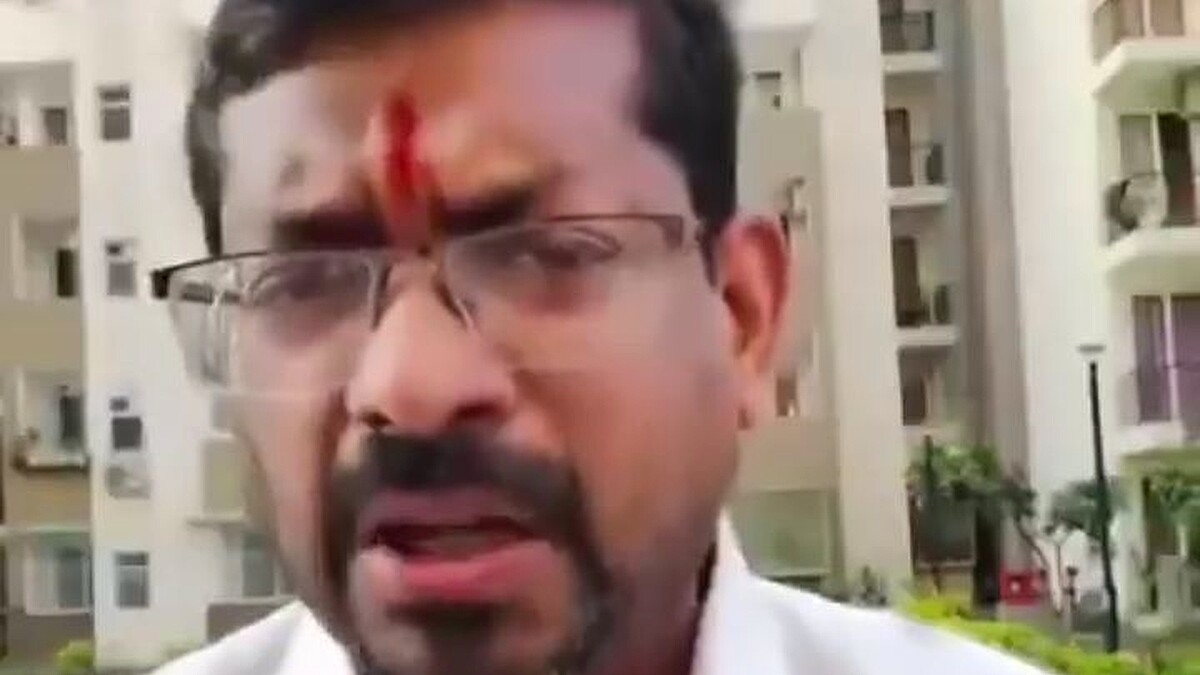




ISLAMABAD: A returning Indian journalist has provided detailed insights into the recent Iranian missile strikes on Israel, highlighting significant limitations in Israeli defensive capabilities and stringent media controls imposed during the conflict.
The journalist, who spent time embedded in Israel amid escalating hostilities, described scenes that contradicted official narratives disseminated by Israeli authorities. According to the account, advanced Israeli interception systems, including those designed to counter ballistic threats, demonstrated notable inefficiencies when confronted with Iran’s sophisticated missile barrages.
Multiple projectiles penetrated defended airspace, reaching targets despite multilayered protections. The reporter observed that even fortified positions, constructed deep underground to shield personnel and infrastructure, proved vulnerable. Casualties occurred in these subterranean facilities, located as much as 100 feet below ground level, challenging assumptions about the invulnerability of such hardened sites.
Strict censorship protocols restricted visual documentation throughout the episode. Authorities prohibited filming of casualties, damaged medical facilities, or hospital interiors where injured individuals received treatment. Journalists faced explicit bans on capturing footage of bodies or emergency responses, limiting public access to unfiltered evidence of the strikes’ impact.
The Indian observer noted that these measures extended to prohibiting videos from hospitals overwhelmed by the influx of wounded. Official directives emphasized narrative control, preventing dissemination of imagery that could depict the human cost or expose defensive lapses. This environment compelled reporters to rely on indirect observations and anonymous sources for verification.
Data from independent assessments corroborate aspects of the revelations. Reports indicate that during intensified exchanges, interception rates fell short of expectations against high-volume, advanced Iranian munitions. While exact figures remain classified, eyewitness descriptions align with patterns observed in prior escalations, where saturation tactics overwhelmed automated defenses.
The journalist emphasized the psychological toll on civilians and military personnel alike. Sirens triggered frequent sheltering, yet penetrations led to direct hits on strategic locations. Underground bunkers, engineered for prolonged protection, suffered breaches, resulting in fatalities among those presumed safest.
Broader implications emerge from these disclosures. Israel’s reliance on technological superiority faced scrutiny, as Iranian capabilities demonstrated capacity to challenge established deterrence frameworks. The censorship regime, while aimed at maintaining morale and operational security, risked eroding public trust when alternative accounts surfaced through international channels.
Regional dynamics have intensified following the exchanges. Iranian operations targeted military infrastructure, prompting retaliatory actions that further strained resources. The returning journalist’s perspective adds to a growing body of evidence suggesting asymmetries in the conflict, where defensive technologies encountered unprecedented pressures.
International observers have called for transparent reporting to facilitate accurate understanding of events. Restrictions on media access complicate independent verification, underscoring tensions between security imperatives and informational freedom during active hostilities.
The revelations arrive at a critical juncture in Middle Eastern security affairs. As parties assess damages and recalibrate strategies, accounts from on-ground witnesses like the Indian journalist contribute essential context to official statements. The exposure of censorship practices and defensive shortcomings may influence future diplomatic engagements and military planning in the region.