



ISLAMABAD: A prominent Chinese aerospace conglomerate has expressed strong interest in committing between $5 billion and $10 billion to Pakistan, potentially representing one of the most substantial private-sector investments from China in recent years.
The proposal emerged during a high-level meeting in Islamabad on March 5, 2026, between Federal Minister for Board of Investment Qaiser Ahmed Sheikh and a delegation from Aerospace Development Industry Investment Group Co., led by its Party Secretary and Chairman Lu Jinhai.
The Chinese group holds an AAA corporate credit rating, underscoring its financial strength and credibility in global markets. It specializes in strategic industrial investments, with expertise spanning advanced technologies, aerospace development, artificial intelligence, electric vehicles, drone technologies, and energy projects.
The delegation highlighted keen interest in Pakistan’s mining and minerals sector, advanced technology industries, and broader industrial development initiatives. This multifaceted approach aligns with Pakistan’s push to leverage its untapped natural resources and technological potential for sustained economic growth.
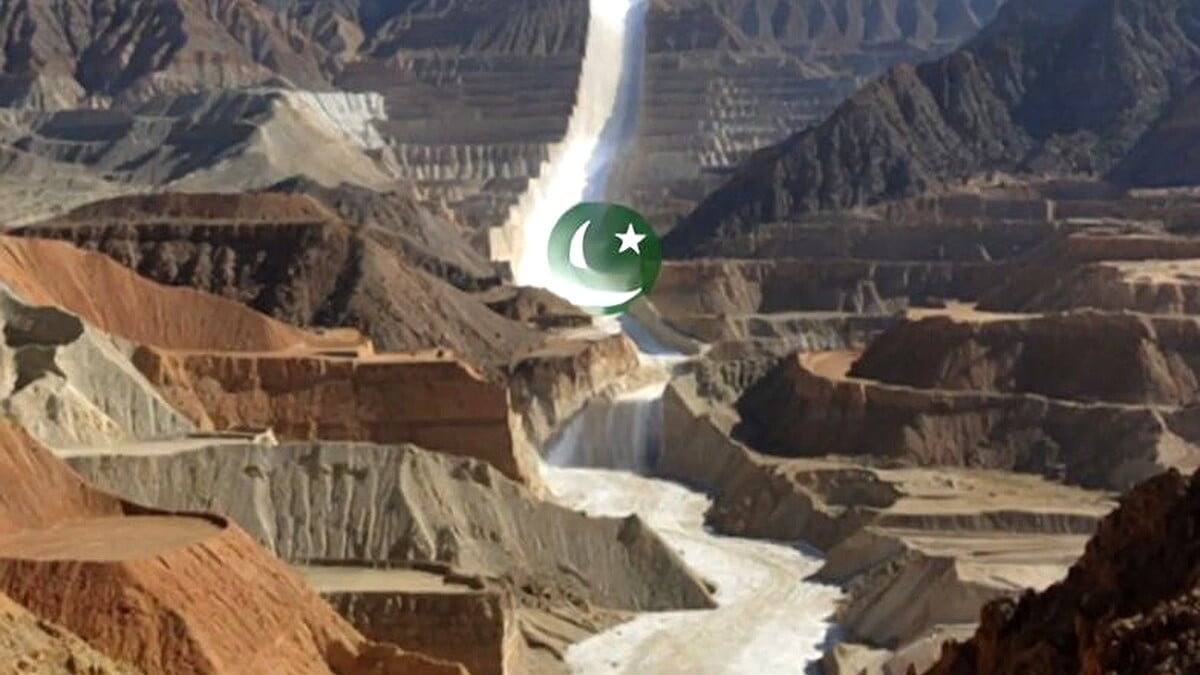
Pakistan possesses significant mineral wealth, estimated in trillions of dollars, including copper, gold, rare earth elements, and other critical minerals essential for global energy transitions and digital technologies. Recent government efforts have focused on attracting foreign direct investment to shift from raw extraction toward value addition and processing.
The proposed investment arrives amid heightened international demand for critical minerals driven by electrification, renewable energy, and artificial intelligence applications. Pakistan’s strategic location, connecting South Asia, Central Asia, and the Middle East, combined with a population exceeding 240 million and a youthful workforce, positions it favorably for large-scale industrial projects.
Minister Qaiser Ahmed Sheikh welcomed the interest, emphasizing Pakistan’s investor-friendly policies, streamlined approval processes, and incentives designed to facilitate foreign capital inflows. He noted the country’s geographic advantages and large consumer market as key attractions for long-term commitments.
The Chinese delegation also expressed willingness to collaborate on skill development programs, signaling a focus on technology transfer and capacity building rather than purely extractive ventures. Such partnerships could enhance local expertise in advanced sectors and contribute to sustainable industrial upgrading.
This development builds on deepening Pakistan-China economic ties, exemplified by earlier initiatives in the minerals domain. In January 2026, the two nations launched the Pak-China E-Mining Platform to improve transparency, efficiency, and project connectivity in the sector, targeting over $10 billion in related investments.
Multiple memoranda of understanding were signed during that period between Pakistani entities like the Pakistan Mineral Development Corporation and Chinese firms, including POWERCHINA International, to promote technical cooperation and joint ventures.
The upcoming Pakistan Minerals Investment Forum 2026, scheduled for April 8-9 in Islamabad, further underscores official efforts to position the country as a credible hub in global mineral supply chains. The event aims to attract investors by showcasing reform momentum and investment-ready projects.
If realized, the $5-10 billion pledge would rank among the largest private Chinese investments in Pakistan, complementing state-led infrastructure commitments under frameworks like the China-Pakistan Economic Corridor. It could accelerate job creation, boost export competitiveness through value-added industries, and support technological modernization.
Analysts view the proposal as a positive indicator of confidence in Pakistan’s improving investment climate and policy stability. The emphasis on advanced technology and industrial development suggests potential spillover benefits in areas such as artificial intelligence applications and electric vehicle manufacturing.
Pakistan’s mining sector has historically remained underexploited despite vast reserves, with exports limited by inadequate processing capabilities. Targeted foreign investment could transform this landscape, enabling integration into high-value global chains for minerals critical to modern industries.
The government’s strategy prioritizes federal-provincial coordination, regulatory reforms, and sustainable practices to ensure mutual benefits and community development. Officials have repeatedly invited Chinese enterprises to explore opportunities beyond traditional projects.
The Aerospace Development Industry Investment Group’s interest reflects broader Chinese strategic engagement in frontier markets, where resource security and technological collaboration intersect. Its AAA rating provides assurance of execution capability for ambitious undertakings.
Discussions remain at the exploratory stage, with no specific projects or timelines finalized. Further negotiations will determine the precise scope, sectoral allocation, and implementation framework.
This potential influx arrives at a time when Pakistan seeks to diversify funding sources and strengthen industrial foundations amid global economic shifts. Successful realization could mark a significant milestone in bilateral private-sector cooperation.
Observers anticipate that such investments will reinforce Pakistan’s role in regional economic connectivity while advancing shared objectives in technological advancement and resource development.