



ISLAMABAD: Senior officials from Gulf states have expressed deep concern over insufficient stocks of missile interceptors, highlighting a growing vulnerability in their air defence systems amid escalating retaliatory strikes from Iran.
A senior Gulf official told the Financial Times, “We’re concerned — we don’t have enough. All of us in the Gulf don’t have enough. We have asked for more interceptors, but our friends are not yet giving [them to] us.” This admission underscores the pressure on regional defences following the outbreak of hostilities.
The conflict intensified over the weekend when the United States and Israel initiated military actions against Iran, prompting Tehran to launch volleys of ballistic missiles and swarms of low-cost drones targeting Gulf nations hosting American military bases.
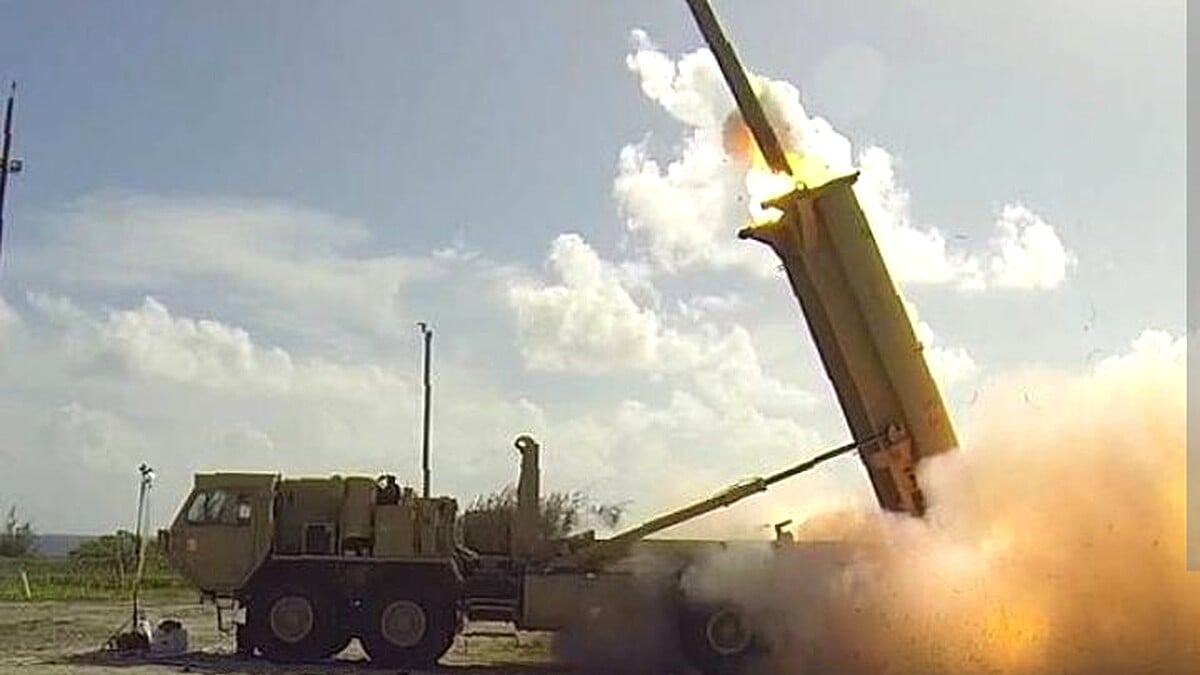
Gulf countries rely heavily on advanced US-supplied systems, including the Patriot surface-to-air missile and the Terminal High Altitude Area Defence (THAAD), to counter these threats. These layered defences have intercepted most incoming projectiles so far, maintaining high success rates in protecting key cities and infrastructure.
However, the intensity of Iranian barrages has accelerated the consumption of interceptors far beyond normal replenishment rates. Officials from multiple Gulf states confirmed they have been seeking urgent resupplies since the war began, with commitments from Washington yet to materialise in deliveries.
The shortage stems partly from prior global demands on US production lines. Decades of under-investment in interceptor manufacturing, combined with heavy usage in the Ukraine conflict, have strained stockpiles worldwide. Gulf states, Israel, and even the Pentagon itself face competing needs for these munitions.
Each Patriot interceptor costs millions of dollars, and production timelines stretch into years for significant quantities. Analysts estimate that the current rate of expenditure could exhaust certain Gulf inventories within days to a week if attacks persist unabated.
Reports indicate Qatar’s Patriot stocks may deplete in as little as four days under sustained pressure, while the UAE faces a similar timeline of around seven days. These projections highlight the fragility of even the most sophisticated defences when faced with asymmetric threats like inexpensive Shahed drones.
Iran’s strategy appears designed to overwhelm layered systems through sheer volume, forcing defenders to expend costly interceptors on low-value targets. While interception rates remain above 90 per cent in some cases, the economic and logistical toll mounts rapidly.
Gulf leaders, who had advocated for diplomatic solutions to avoid escalation, now find their territories drawn into the fray. Strikes have reportedly hit oil facilities in Saudi Arabia and other sensitive sites, though major damage has been limited by effective interceptions.
The situation has prompted discussions about alternative solutions. The Pentagon and at least one Gulf government are exploring lower-cost Ukrainian-made drone interceptors to counter Shahed swarms more economically than relying solely on Patriot missiles.
This shift reflects a broader recognition that traditional high-end systems, while effective against ballistic threats, prove inefficient against mass drone attacks. Kyiv’s experience in defending against similar Russian tactics has drawn interest from Gulf planners.
Regional officials emphasise that their air defences continue to perform robustly for now, but sustainability depends on swift resupply and the war’s duration. Iran, under intense bombing, may also face constraints on sustaining its missile and drone launches.
The race to replenish interceptors has become a critical factor in the conflict’s trajectory. Without adequate stocks, Gulf states risk reduced deterrence and heightened exposure to further Iranian retaliation.
US allies in the region, including Saudi Arabia, the UAE, and Qatar, have issued joint condemnations of the attacks while coordinating closely with Washington. Their statements stress the need for strengthened defensive capabilities to preserve stability.
The broader implications extend to global energy security, given the Gulf’s pivotal role in oil production. Any erosion of defensive confidence could unsettle markets and investor perceptions of the region as a safe haven.
As the war enters its early phase, the interceptor shortage illustrates a stark reality: advanced weaponry alone cannot guarantee indefinite protection without reliable supply chains. Gulf states now balance immediate survival against long-term strategic planning in a rapidly evolving threat environment.