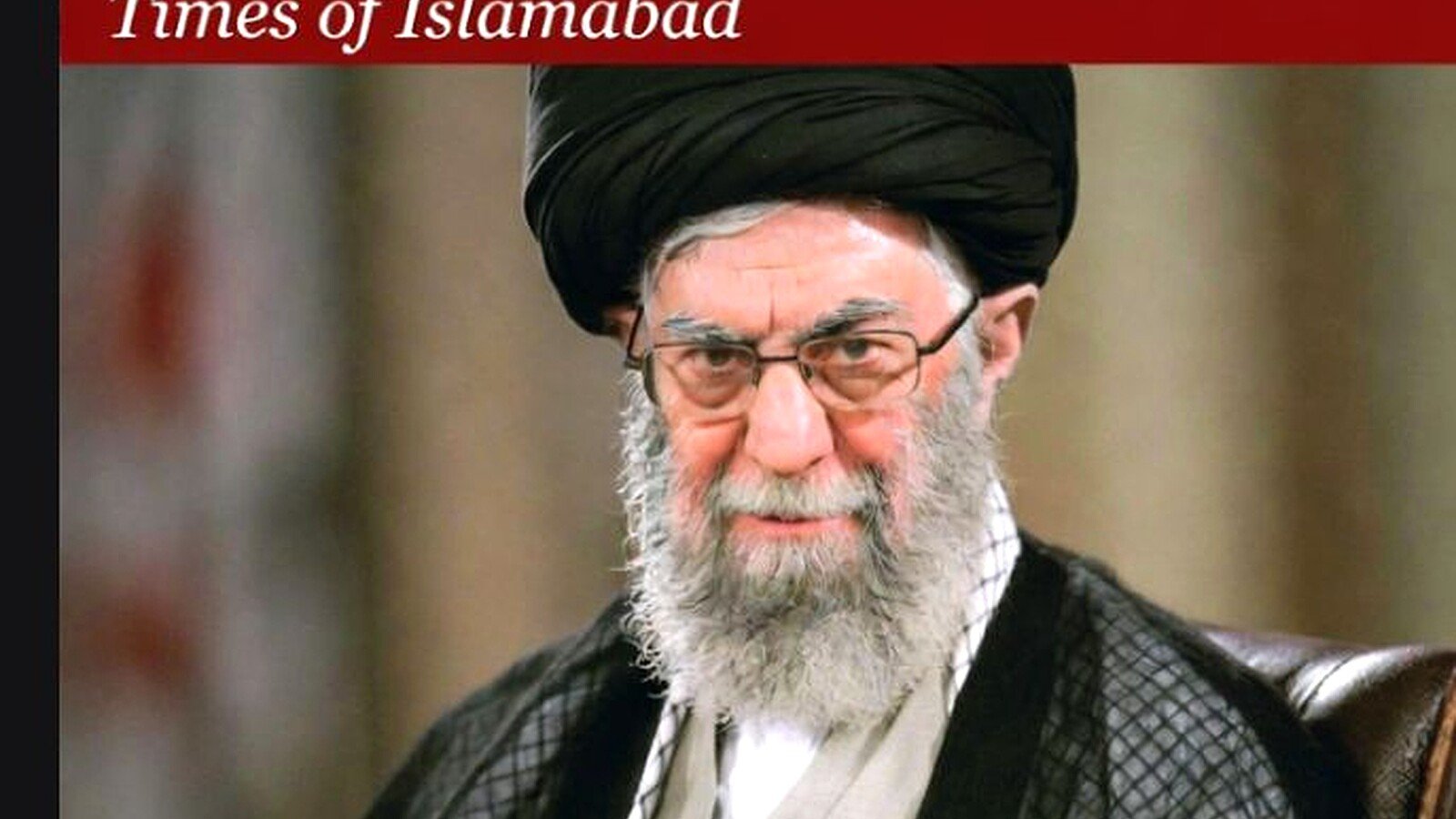




ISLAMABAD: Former US Marine intelligence officer Scott Ritter has asserted that the assassination of Iran’s Supreme Leader Ayatollah Ali Khamenei has transformed the Islamic Republic into an invincible entity, rendering regime change efforts futile from the outset.
The joint US-Israeli strikes on February 28, 2026, targeted multiple high-value sites in Tehran, including the compound housing the supreme leader’s residence and offices. Reliable reports from international media confirm that Khamenei, aged 86 and in power since 1989, perished in the initial wave of airstrikes alongside several senior Revolutionary Guard Corps officials.
Ritter, a prominent critic of US foreign policy in the Middle East, described the operation as a strategic miscalculation rooted in ignorance of Shia Islamic theology and cultural dynamics. He emphasized that Khamenei was fully aware of the impending threat yet chose to remain in his home, surrounded by companions prepared for martyrdom.
According to Ritter’s analysis, this deliberate acceptance of death aligns with Shia principles of sacrifice, exemplified by historical events such as the martyrdom of Imam Hussein at Karbala. He argued that the killing elevated Khamenei to the status of a revered martyr, evoking profound emotional and religious resonance across Iranian society.
Massive crowds have since gathered in Iranian cities, not to denounce the leadership but to chant slogans honouring the fallen supreme leader. Public demonstrations feature calls of “Shahid Khamenei Zindabad,” signifying “Long live martyr Khamenei,” rather than opposition chants. This response has consolidated support for the Islamic Republic rather than fracturing it.
Ritter contended that US President Donald Trump underestimated the implications of targeting a figure analogous to the Pope in Catholicism or the Patriarch in Orthodox Christianity. He likened the act to assassinating the spiritual head of a faith community, predicting it would galvanize believers rather than demoralize them.
The analyst highlighted a critical misjudgment: the operation aimed to provoke unrest and regime collapse by bringing people onto the streets. Instead, the crowds have rallied in defence of the Islamic Republic, viewing the supreme leader’s death as a catalyst for renewed unity and resistance.
Iran’s Shia population, both men and women, has demonstrated readiness for martyrdom in defence of their faith, territory, and revolutionary ideals. Ritter stressed that this willingness to sacrifice renders conventional military victory unattainable against such a determined populace.
He asserted that the conflict was effectively lost with the first missiles striking Tehran. By eliminating Khamenei, the attackers inadvertently activated a deeper layer of ideological resilience embedded in Shia doctrine, where death in pursuit of divine purpose confers eternal honour.
Ritter further noted that Trump’s apparent lack of familiarity with core Shia concepts—such as the significance of Ali, Hussein, and Twelver Shia beliefs—contributed to this strategic blunder. The former intelligence officer suggested that without understanding these elements, Western policymakers misread Iran’s societal fabric.
In the aftermath, Iran’s retaliatory actions have extended across the region, targeting US interests and disrupting Gulf stability. Yet Ritter maintained that the Islamic Republic now stands stronger, as no force can defeat a nation whose people embrace martyrdom as a path to triumph.
The assassination has prompted a leadership transition under Iran’s constitutional framework. A temporary council now governs pending the selection of a new supreme leader by the Assembly of Experts, amid ongoing hostilities and internal deliberations.
Observers note that public mourning has intertwined with defiance, reinforcing national cohesion. State media portrays Khamenei as a martyr whose sacrifice fortifies the revolution against external aggression.
Ritter concluded that the strikes, intended to decapitate the regime, have instead immortalized its guiding figure in the collective consciousness. This development, he argued, ensures the Islamic Republic’s endurance, compelling adversaries to reconsider their objectives in the face of unyielding resolve.
The episode underscores the complexities of intervening in societies driven by profound religious convictions. As tensions persist, the long-term ramifications for regional security remain uncertain, with unity emerging as the dominant theme in Iran’s response.