



ISLAMABAD: Pakistan has welcomed Qatar’s potential role in facilitating reconciliation between Islamabad and Kabul while strongly condemning threatening statements from Afghan Taliban commanders as regrettable. Officials emphasized that the country’s armed forces and law enforcement agencies stand fully prepared to respond decisively to any aggression originating from across the border.
The latest escalation stems from Pakistan’s intelligence-based airstrikes conducted on February 22, 2026, targeting seven suspected camps and hideouts of the Tehreek-e-Taliban Pakistan (TTP) and affiliates of the Islamic State Khorasan Province (ISKP) in Afghanistan’s eastern provinces, including Nangarhar, Paktika, and Khost. Pakistani authorities described the operations as selective and precise, claiming the elimination of over 70 militants responsible for recent deadly attacks inside Pakistan.
These strikes followed a series of high-profile terrorist incidents attributed to militants operating from Afghan soil. On February 6, a suicide bombing targeted a Shia mosque in Islamabad, killing at least 31 worshippers and injuring over 170 others. Additional attacks included a suicide vehicle ramming a security post in Bajaur, claiming 11 soldiers, and a convoy assault in Bannu district that resulted in the deaths of two military personnel, including a senior officer. Islamabad maintains conclusive evidence linking these operations to Afghanistan-based TTP leadership and handlers.
In response to the Pakistani strikes, the Afghan Taliban government condemned the actions as a violation of sovereignty. The Taliban’s Ministry of Defense vowed to deliver a measured and appropriate retaliation in due course. Taliban spokesman Zabihullah Mujahid signaled potential military countermeasures, while lower-level commanders issued sharper warnings. Abdul Hadi Himmat, head of the Taliban’s military court in the northeast zone, delivered pointed threats against Pakistan, underscoring Kabul’s refusal to tolerate further incursions.
Border clashes intensified shortly after the airstrikes. On February 24 and 25, Pakistani and Afghan forces exchanged fire in the Torkham and Tirah sub-sectors. Pakistan accused Afghan Taliban authorities of initiating unprovoked firing, with security forces responding immediately and effectively to silence the aggression. Officials warned that any continued provocation would meet severe and swift retaliation.
President Asif Ali Zardari defended the airstrikes as an exercise of Pakistan’s inherent right to self-defense against cross-border terrorism. He noted that repeated diplomatic warnings to Kabul had gone unheeded, leaving Islamabad no choice but to act decisively to protect its citizens. The president stressed that perpetrators of bloodshed on Pakistani soil would not remain beyond reach.
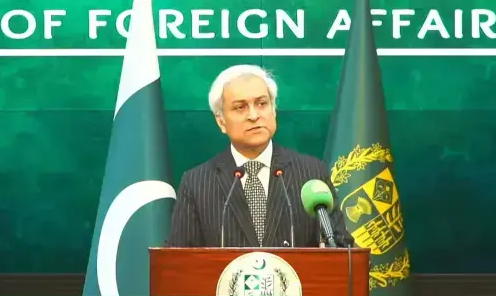
Pakistan’s Ministry of Foreign Affairs described threatening statements from Afghan authorities as discouraging and disappointing. Spokesperson briefings highlighted increased terrorist activity since the Taliban assumed power in Kabul, with attacks rising sharply over the past 12 to 18 months. Security forces remain vigilant, monitoring developments closely while prioritizing the safety of Pakistani territory and people.
Amid the rising tensions, Pakistan expressed openness to diplomatic efforts. In a recent press briefing, officials welcomed Qatar’s involvement in promoting reconciliation, acknowledging Doha’s history of mediating regional disputes involving the Taliban. Qatar previously hosted Taliban political offices and facilitated key negotiations, including the 2020 U.S.-Taliban agreement. Friendly countries like Qatar and Türkiye have attempted similar reconciliation initiatives in the past, and Islamabad indicated readiness to accept constructive roles from such partners to resolve outstanding issues.
Analysts point to deep-rooted complexities in Pakistan-Afghanistan relations since the Taliban’s return to power in 2021. Islamabad accuses Kabul of tolerating or indirectly supporting TTP sanctuaries, enabling cross-border militancy. The Afghan side denies these allegations, insisting no armed groups use its territory against Pakistan and rejecting claims of safe havens.
The fragile border dynamics threaten regional stability. Exchanges of fire and airstrikes risk undermining earlier ceasefire understandings, including those following October 2025 clashes. Pakistan has consistently urged Afghanistan to take concrete action against militant groups, while Kabul demands respect for its sovereignty.
Security measures have been heightened nationwide in anticipation of potential retaliatory attacks. Minister of State for Interior Talal Chaudhry confirmed additional intelligence linking Afghanistan-based militants to imminent threats, prompting reinforced vigilance across provinces.
Pakistan maintains that its actions target only terrorist infrastructure and not the Afghan state or civilians. Officials reiterated commitment to regional peace through dialogue but affirmed zero tolerance for threats to national security. As tensions persist, the international community watches closely, with calls for de-escalation to prevent broader instability in South Asia.