



ISLAMABAD: The Saudi Council of Ministers has formally approved the signing of two significant bilateral agreements with Pakistan, marking a fresh milestone in the longstanding strategic partnership between the two Muslim-majority countries.
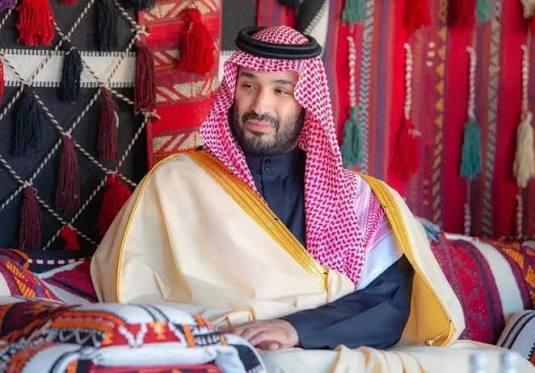
The decisions were taken during a cabinet meeting held in Jeddah on Tuesday, presided over by Crown Prince Mohammed bin Salman, who also serves as Prime Minister of the Kingdom.
One agreement focuses on enhanced collaboration between the Ministry of Interior of Saudi Arabia and Pakistan’s Ministry of Interior.
It targets the promotion of scientific, training, and research activities to build institutional capacity and share expertise in security-related fields.
Such cooperation is expected to include joint programs for professional development, knowledge exchange on modern policing techniques, and collaborative research into emerging security challenges.
The second agreement covers the ministries of health in both countries.
It emphasizes advancement in regulation, coordination, and broader medical cooperation to improve healthcare standards and public health outcomes.
This includes harmonizing regulatory frameworks for pharmaceuticals, medical devices, and health services, alongside joint efforts in disease surveillance, emergency response, and capacity building for healthcare professionals.
The approvals reflect Saudi Arabia’s ongoing commitment to expanding non-oil sector partnerships under Vision 2030, which prioritizes knowledge-based economies, health innovation, and regional stability.
For Pakistan, the pacts align with efforts to modernize its interior and health sectors amid evolving domestic and transnational demands.
Bilateral relations between Pakistan and Saudi Arabia have historically been rooted in deep fraternal, religious, and economic bonds.
Over the years, the Kingdom has provided substantial financial assistance, oil credit facilities, and investment commitments to Pakistan during economic challenges.
In return, Pakistan has contributed significantly through manpower, particularly in the security and labor sectors, with millions of Pakistani expatriates working in Saudi Arabia.
Recent developments have further solidified defense and security ties, including a Strategic Mutual Defence Agreement signed in 2025 that encompasses military training, intelligence sharing, and mutual assistance.
The current approvals build on this momentum by extending cooperation into civilian domains.
Experts view the interior ministry pact as a step toward countering shared threats such as terrorism, organized crime, and cyber risks through joint training and research.
Saudi Arabia’s advanced forensic and investigative capabilities could benefit Pakistani law enforcement, while Pakistan’s experience in counter-insurgency operations offers valuable insights.
In the health domain, the agreement comes at a time when both nations face common challenges, including post-pandemic recovery, non-communicable diseases, and workforce shortages.
Saudi Arabia has invested heavily in healthcare infrastructure and digital health systems as part of its national transformation plans.
Pakistan, meanwhile, is reforming its regulatory bodies to align with international standards and improve drug safety and quality control.
Cooperation in regulation and coordination could facilitate mutual recognition of certifications, easier exchange of medical professionals, and joint research on public health issues.
The pacts are likely to be formalized through formal signing ceremonies in the coming months, possibly during high-level visits.
They form part of a broader Saudi cabinet review of international cooperation, which on the same day included progress updates on ties with several other nations such as Kyrgyzstan, Armenia, and others.
Analysts note that these agreements underscore the strategic depth of Pak-Saudi relations beyond traditional defense and economic aid.
By focusing on institutional capacity and sectoral expertise, both countries aim to foster sustainable, long-term collaboration.
The moves are also timely amid regional geopolitical shifts, where enhanced internal security and resilient health systems contribute to national stability.
For Pakistan’s Ministry of Interior, the pact opens avenues for advanced training that could strengthen law enforcement reforms.
Similarly, the Ministry of National Health Services, Regulations and Coordination stands to gain from Saudi expertise in health governance and innovation.
Observers expect these agreements to yield tangible benefits, including improved bilateral trade in health products, joint ventures in medical research, and enhanced people-to-people contacts through professional exchanges.
The cabinet’s decision reinforces the narrative of mutual support that has defined Pak-Saudi ties for decades.
As implementation begins, the pacts could serve as models for similar cooperation with other regional partners.