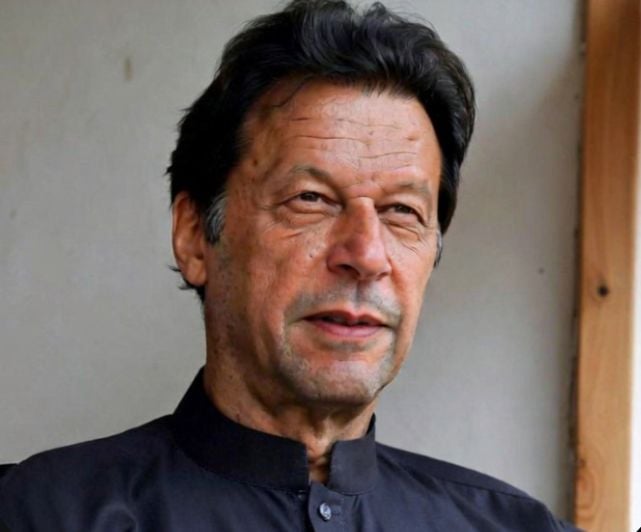




ISLAMABAD: Former prime minister Imran Khan’s bid to secure suspension of his 17-year sentence in the Toshakhana-2 Bulgari jewellery case has encountered procedural setbacks at the Islamabad High Court, where the registrar raised objections on his bail plea, complicating efforts to gain interim relief on medical and legal grounds.
The petition, filed recently by his legal team including Barrister Salman Safdar, Advocate Salman Akram Raja, and others, seeks suspension of the December 20, 2025 conviction until the main appeal is decided. It emphasizes strong objections to the trial court’s verdict, arguing these create prima facie merits for bail.
Key legal objections center on alleged double jeopardy. The petition contends that convicting Imran Khan under both Section 409 of the Pakistan Penal Code for criminal breach of trust by a public servant and Section 5(2) of the Prevention of Corruption Act 1947 for the same act violates Section 26 of the General Clauses Act 1897.
Petitioners assert that dual sentencing for one allegation exceeds legal bounds, as conviction could apply under only one provision at most. This, they argue, constitutes a fundamental flaw warranting suspension to avert miscarriage of justice.
Another major objection challenges applicability of Section 409. The plea maintains Imran Khan was not a public servant during the alleged retention of the Bulgari set, rendering the section inapplicable. They claim he and Bushra Bibi complied with Toshakhana policy by paying 50 per cent of the assessed value and legally retaining the gifts.
The jewellery set, gifted by the Saudi Crown Prince in 2021, was valued at around Rs80 million but retained after payment of roughly Rs2.9 million following official valuation. Prosecution alleged undervaluation caused state loss, leading to the 10-year term under Section 409 plus Rs16.425 million fine, and seven years under the corruption law.
These concurrent sentences total 17 years for both Imran Khan and Bushra Bibi. The appeal questions the trial court’s interpretation, asserting compliance with rules negated criminal intent.
Medical grounds form a parallel pillar of the plea, though procedural issues now overshadow them. A report from Dr Muhammad Arif at Pakistan Institute of Medical Sciences details severe right-eye damage from a blood clot, leaving only 15 per cent vision. Treatment proved impossible in Adiala Jail, with delays exacerbating the condition.
At 73, prolonged imprisonment risks further health decline, the petition states. It references Supreme Court proceedings around February 10, 2026, where these concerns surfaced, including an amicus curiae report on prison conditions.
Despite strong merits claimed, the IHC registrar objected to the bail application, citing delays in responding to main appeal objections. This procedural hurdle delays urgent hearing requests, potentially prolonging incarceration.
The petitioners note compliance with bail terms throughout trial, underscoring low flight risk and arguable appeal points. They seek release under Section 426 CrPC pending adjudication.
This setback adds to Imran Khan’s legal challenges since 2022 ouster. Multiple convictions face appeals, with PTI alleging political motivation. The Toshakhana-2 matter remains prominent amid health and humanitarian pleas.
Court observers indicate suspension often requires demonstrating appeal strength and irreparable harm. Procedural objections may require rectification before merits hearing.
The development highlights tensions in high-profile political cases, where legal technicalities intersect with health and justice claims.