

ISLAMABAD
Pakistan’s significant contributions to the Makkah Alliance for Defence are receiving widespread international recognition. This alliance is strengthening regional stability and collective security.
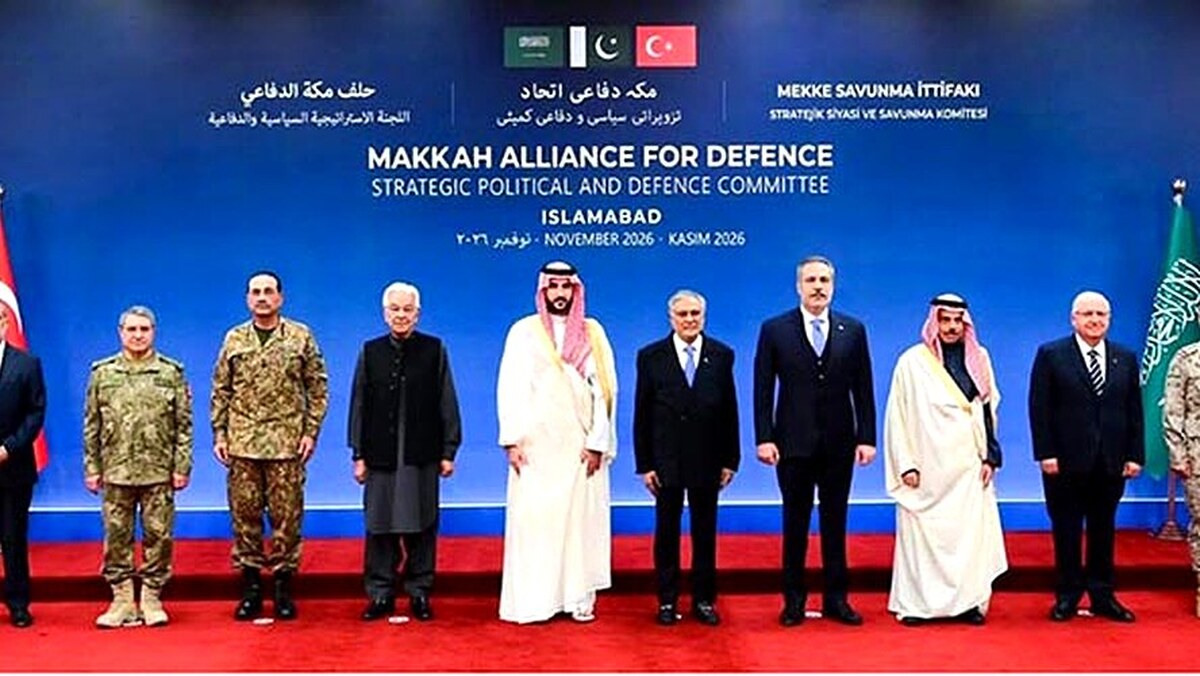
The Makkah Joint Defence Agreement was established in August 2026. It binds Saudi Arabia, Turkey, and Pakistan through a mutual defense pact. An attack on any one member is considered an attack on all.
This strategic framework has been positively acknowledged by diplomats and foreign policy analysts globally. It builds upon an earlier Saudi-Pakistan defense accord from September 2025.
The agreement aims to boost military coordination and intelligence sharing. It also promotes defense industrial cooperation among the three allied nations.
Pakistan’s Foreign Office spokesperson, Sajjad Haider Khan, stated the pact is defensive. Its focus is on enhancing collective security and regional peace.
The alliance has already seen substantial progress. An initial committee meeting took place in Istanbul on August 31, 2026.
Emergency consultations were held in Riyadh on October 5, 2026. A second regular meeting convened in Islamabad on November 27, 2026.
The Islamabad meeting of the Strategic Political and Defence Committee (S-PDC) was crucial. It moved towards operationalizing the collective defense commitments.
Deputy Prime Minister and Foreign Minister Ishaq Dar confirmed the three nations’ commitment. They reaffirmed collective defense, solidarity, and respect for sovereignty.
The committee reviewed the evolving regional security landscape. They stressed their resolve to work together for peace and stability.
The Makkah Alliance, also known as the Islamic Military Counter Terrorism Coalition (IMCTC), is based in Riyadh. It includes 41 Muslim-majority nations.
The alliance is dedicated to combating terrorism. Former Pakistan Army Chief, General (Retired) Raheel Sharif, served as its first Commander-in-Chief.
A 2023 report by the Atlantic Council highlighted Pakistan’s importance. It noted Pakistan’s role in fostering security partnerships across the Muslim world.
The report cited Pakistan’s extensive military experience and training capabilities. These are considered key assets for the alliance’s objectives.
Ambassador Abdullah Al-Saadi, a former Saudi diplomat, praised Pakistan’s involvement. He emphasized Pakistan’s combat-hardened forces and their successful counter-terrorism operations.
Pakistan’s participation brings invaluable expertise to the IMCTC’s efforts. This reinforces the alliance’s mission against extremist groups.
Source: timesofislamabad
More on this topic: Pakistan, Iran & the Gulf →