In Lahore, on Thursday, the Joint Investigation Team (JIT) labeled ImranKhan, the chief of Pakistan Tehreek-e-Insaf, along with the party’scentral, provincial, and local leadership, as the architects behind theevents of May 9.
They asserted that there was a consensus within the party to attack JinnahHouse. The JIT, formed to investigate the May 9 incidents under thesupervision of DIG Investigation Imran Kishwar, compiled a report that wassubsequently presented to an anti-terrorism court.
This report found Imran and the top PTI leadership guilty of inciting theMay 9 incidents through fabricated claims. According to the JIT report,Imran, in collaboration with PTI’s central, provincial, and localleadership, devised a plan to instigate civil unrest in Pakistan, usingfalse narratives to incite the public.
They alleged that the PTI leveraged its influence for personal gain, aimingto force the resignations of top military officers, federal and provincialgovernments.
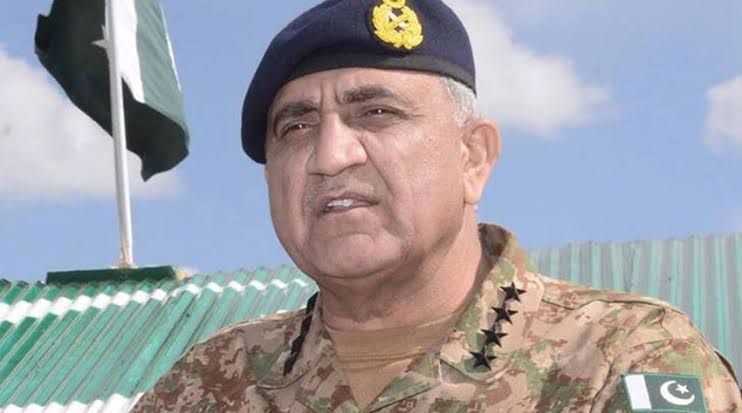
Imran purportedly incited the public against the then Chief of Army StaffGeneral Qamar Javed Bajwa with a fabricated story, accusing the armedforces of political interference to remove him from power.
The public was also led to believe that Imran might face a fate similar tothat of the late Salmaan Taseer, the former Punjab governor. The top PTIleadership continued this mission by attempting to divide the armed forces,encouraging lower-ranked officers not to obey senior orders, and eventhreatening police officers by likening them to the PakistanDemocratic Movement (PDM) if they intervened.
Read Top Stories
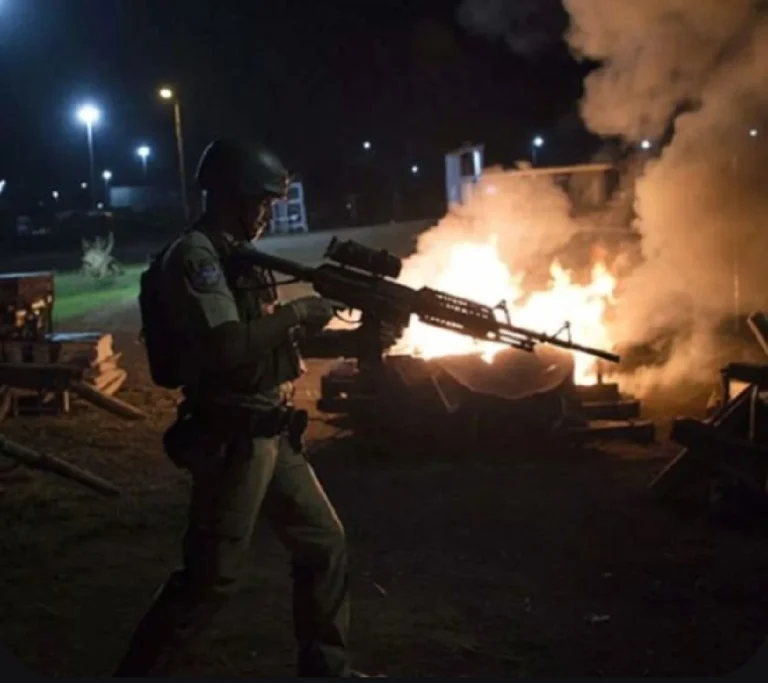
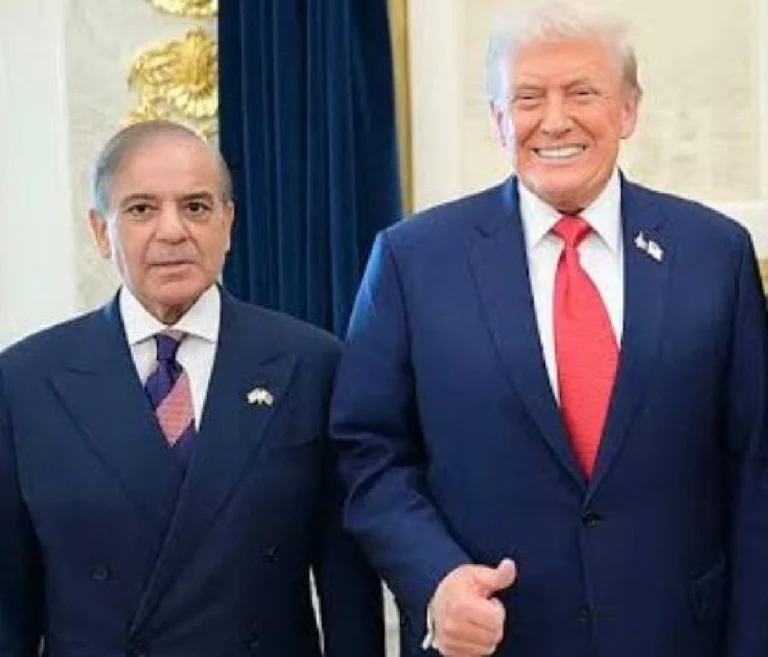
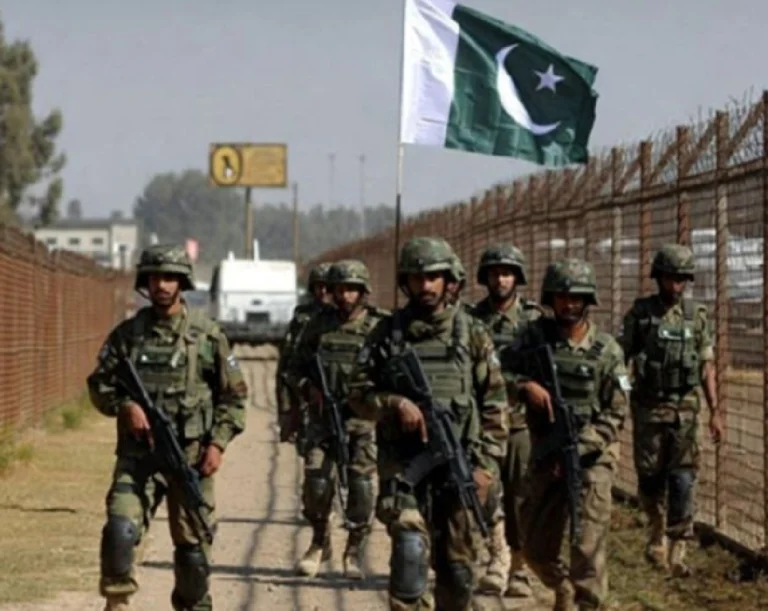
Various media, social media platforms, and other means were used tomanipulate the public, presenting them with fabricated images under theguise of freedom and jihad. The public was incited to attack governmentfacilities under the pretext of protests.
The wave of protests began when Imran was arrested on May 9, 2023, in theAl-Qadir Trust case and persisted for three consecutive days. PTI workers,under the direction of the PTI leadership, targeted numerous sensitivelocations, including Jinnah House, GHQ building, Core Headquarters, ISIoffices, airbases, state installations, monuments, Askari Tower, MilitaryLibrary, residences of armed forces officers, army selection center, petrolstations, public property, and other sensitive areas.
The top PTI leadership was reportedly in communication, either by phone ormessages. Social media messages and video clips were used to incite thepublic to reach sensitive areas, including Jinnah House. Geofencing datalinked individuals like Dr. Yasmin Rashid, Hammad Azhar, Mehmoodur Rasheed,Ijaz Chaudhry, Mian Alsam Iqbal, and Murad Ras to the involved workers,showing their engagement before, during, and after the attacks on sensitivelocations.
Geofencing reports and call detail records (CDRs) indicated that severalaccused, initially at Zaman Park, were later found at Jinnah House duringthe attack.