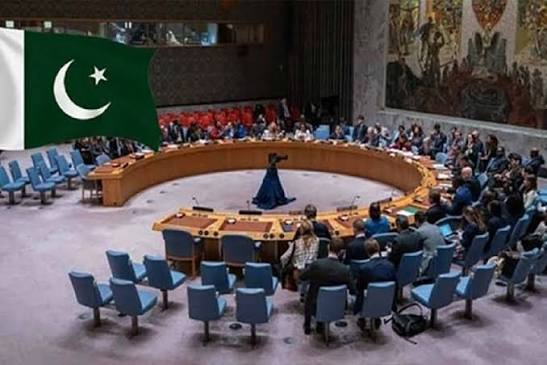
Interim Foreign Minister Jalil Abbas Jilani reaffirmed Pakistan’s unalteredposition on Israel, emphasizing that it remains consistent with pastpolicies.
He clarified that Islamabad’s stance continues to be closely tied to thePalestinian people’s rights. In Pakistan, there have been concerns thatrecognizing Israel without a permanent resolution to the Palestinianconflict could weaken the country’s position on the enduring Jammu andKashmir issue.
Pakistan also maintains its non-diplomatic relations with Tel Aviv andadheres to the “two-state solution” based on relevant United Nations andOIC resolutions, international law, pre-1967 borders, and Jerusalem as thecapital of Palestine.
This marks the second statement from Jilani on the subject of Israelwithin the past week. Earlier, he asserted that Pakistan’s decisionregarding recognition of Israel would be determined by its own nationalinterests and those of the Palestinians.
Read Top Stories


Foreign Minister Jilani’s remarks were prompted by claims made by IsraeliForeign Minister Eli Cohen, who suggested that six or seven Muslimcountries could establish peace with Israel if a deal with Saudi Arabiawere to materialize.
Cohen made these comments following Prime Minister Benjamin Netanyahu’sUNGA speech, in which he envisioned a “new Middle East” characterized bydiplomatic relations between Israel and Saudi Arabia, asserting that “peacewith Saudi Arabia means peace with the greater Muslim world.”