Pakistan Air Force conducted large-scale airstrikes on Afghan targets including Kabul and Kandahar amid escalating border clashes with the Taliban government. These operations dubbed Operation Ghazab Lil Haq targeted alleged militant infrastructure following attacks on Pakistani positions. The strikes mark one of the most significant military engagements between the two neighbours in recent years raising fears of broader conflict.
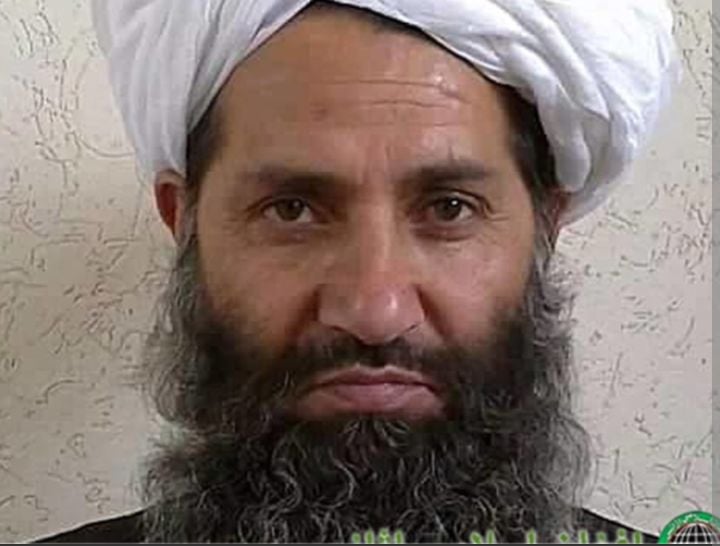
Social media and some Afghan media outlets circulated claims that Hibatullah Akhundzada the reclusive supreme leader of the Taliban was killed along with senior commanders during strikes on headquarters in Kabul. Viral posts from OSINT accounts and unverified sources suggested the leader perished in the bombardment prompting widespread speculation across the region. However no official confirmation has emerged from either Pakistani authorities or the Taliban administration.
Pakistan’s military claimed the airstrikes eliminated over 130 Taliban fighters with hundreds more injured while destroying multiple posts and ammunition depots. Officials described the action as a necessary response to persistent cross-border threats from groups harboured in Afghanistan particularly the Tehrik-i-Taliban Pakistan (TTP). Defence sources emphasised that patience had run out after repeated incidents including recent attacks on border forces.
The Taliban spokesperson Zabihullah Mujahid dismissed the strikes as cowardly asserting no casualties occurred and praising divine protection. Afghan officials reported minimal impact while denying any high-level losses. The absence of any statement from or about Hibatullah Akhundzada himself fuelled rumours given his historically low public profile and rare appearances since assuming leadership in 2016.
Hibatullah Akhundzada a religious scholar and veteran of the anti-Soviet jihad has led the Taliban since succeeding Mullah Akhtar Mansour. Known for his strict interpretation of Sharia he has remained largely invisible issuing edicts that shaped Afghanistan’s governance post-2021 takeover. His reclusive nature has long sparked questions about his status with past death rumours surfacing without substantiation.
The targeted locations carried symbolic weight. Kandahar the Taliban’s spiritual birthplace and reported residence of Akhundzada featured prominently in the strikes alongside Kabul the capital and border provinces like Paktia Nangarhar and Laghman. Analysts noted the choice suggested intent to degrade Taliban military capabilities amid accusations that Kabul shelters anti-Pakistan militants.
Tensions between Pakistan and Afghanistan have simmered for years over border security and militant sanctuaries. Pakistan has repeatedly accused the Taliban of failing to curb TTP activities which have conducted deadly attacks inside Pakistan. The Afghan side counters that Islamabad supports anti-Taliban elements. Recent months saw intensified skirmishes including retaliatory actions that prompted the latest escalation.
Pakistan’s Information Minister and military spokespersons highlighted the scale of the operation claiming destruction of over 70 Taliban positions. They portrayed it as a defensive measure to safeguard national sovereignty. In response Afghan forces reportedly launched counter-attacks on Pakistani border areas leading to mutual claims of casualties and prisoner captures.
International observers expressed concern over the flare-up with calls for de-escalation from regional powers. The strikes occurred against a backdrop of ongoing diplomatic strains including closed border crossings and economic pressures. Experts warn that prolonged confrontation could destabilise South Asia further complicating counterterrorism efforts.
No independent verification has confirmed civilian casualties though Afghan reports mentioned limited incidents. Both sides have traded accusations of targeting non-military sites. The fog of war has amplified unconfirmed narratives particularly around Akhundzada’s fate which if proven true could trigger internal Taliban dynamics or power struggles.
Until official statements clarify the situation uncertainty prevails. The episode underscores the fragile state of Pakistan-Afghanistan relations where mutual distrust and security imperatives continue to drive military responses over dialogue.