ISLAMABAD: Loud explosions echoed across Riyadh on Saturday, sending shockwaves through the Saudi capital as the Middle East plunged deeper into conflict following joint US-Israeli military operations against Iran.
Multiple news agencies, including AFP, reported residents hearing a series of loud bangs and explosions in various parts of the city. Correspondents on the ground described a large bang reverberating through neighborhoods, accompanied by several distinct blasts that rattled windows and doors.
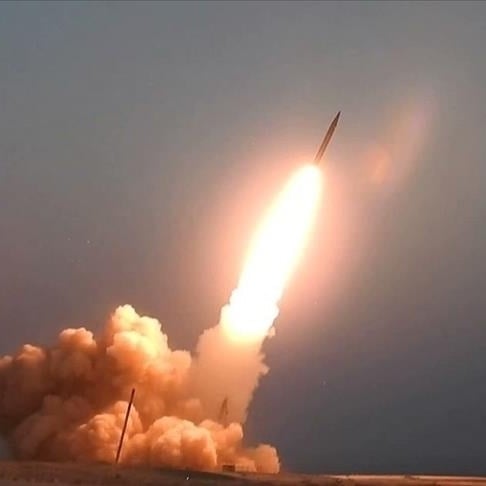
The incidents occurred hours after Iran launched a large-scale retaliatory operation, dubbed by its Revolutionary Guards as part of ongoing responses to earlier strikes. Iran announced targeting US military assets across the region, including bases in Gulf countries that host American forces.
Saudi Arabia quickly condemned what it described as Iranian aggression against neighboring states. Official statements labeled the attacks as heinous violations of sovereignty, emphasizing that such actions threatened regional stability and could not be justified under any circumstances.
Air defense systems in Saudi Arabia activated in response to the threats. Reports indicated that incoming projectiles were intercepted, preventing direct impacts in most cases. Debris from interceptions may have contributed to some of the sounds heard, though exact details remained unconfirmed by authorities.
The blasts in Riyadh formed part of a broader wave affecting multiple Gulf capitals. Similar explosions were reported in Doha, Abu Dhabi, Dubai, and Manama. Qatar’s defense ministry stated that its systems, including US-made Patriot batteries, successfully repelled several incoming missiles.
Kuwait closed its airspace as a precautionary measure after detecting threats. Jordan reported intercepting two ballistic missiles aimed at its territory. The UAE confirmed one fatality in Abu Dhabi linked to debris from an intercepted projectile falling in a residential area.
The escalation traces back to coordinated US-Israeli strikes on Iranian targets earlier in the day. US President Donald Trump described the operations as major combat actions aimed at curbing Iran’s nuclear pursuits and regional influence. Explosions rocked Tehran and other Iranian cities, with reports of damage to ministries and civilian infrastructure.
Iran’s response involved missile barrages targeting Israel directly and US-linked sites in the Gulf. The Revolutionary Guards claimed the operation sought to retaliate against aggression and demonstrate capability to strike across distances.
Regional airspace disruptions followed swiftly. Several countries, including Saudi Arabia, the UAE, Bahrain, Qatar, and Kuwait, temporarily shut down flights. International carriers rerouted planes, causing widespread travel chaos across the Middle East.
Oil markets reacted sharply to the developments. Brent crude prices surged amid fears of supply disruptions through critical chokepoints like the Strait of Hormuz. Analysts warned that prolonged conflict could push energy prices higher, affecting global economies.
Saudi authorities have not released detailed casualty figures from Riyadh. Initial reports suggested no major structural damage or significant injuries in the capital, though panic spread among residents as sirens blared and people sought shelter.
The kingdom reiterated its commitment to defending sovereignty while calling for de-escalation. Diplomatic channels remained active, with some Gulf states urging restraint to prevent a full-scale regional war.
Iran maintained that its actions were defensive and proportionate. Tehran accused the US and Israel of initiating hostilities that endangered civilians across the region.
Observers noted the involvement of advanced missile technology in the exchanges. Iran’s arsenal includes ballistic missiles capable of reaching Gulf states, while coalition defenses rely on layered systems like Patriot and THAAD for interception.
The events underscored the fragility of Middle East security. Hosting US troops has long placed Gulf nations in the crosshairs of Iran-linked threats, a dynamic heightened by recent escalations.
International calls for calm grew louder. The United Nations and several world powers urged all parties to exercise maximum restraint and return to dialogue.
As night fell over Riyadh, the city remained on high alert. Residents shared accounts of the unsettling sounds that disrupted daily life, highlighting how distant conflicts can suddenly feel immediate.
The full scope of damage and casualties across affected areas continued to emerge. Authorities in multiple countries worked to assess impacts and restore normalcy amid ongoing tensions.
This rapid sequence of events has transformed the region into a theater of active confrontation, with implications extending far beyond national borders.