In the bustling financial hub of Karachi, a noteworthy shift in thedynamics of the US dollar exchange rate has been unfolding, marking asignificant transformation in the currency market. Remarkably, thegreenback is now being acquired in the interbank market without any premiumattached, a phenomenon that would have seemed implausible just a mere monthago.
This intriguing development reflects a newfound stability in the exchangerate, even in the face of lingering concerns that the influx of exportproceeds and remittances could exert further downward pressure on the USdollar’s value.
Atif Ahmed, a seasoned currency dealer operating within the interbankmarket, attested to this unusual trend, stating that buyers are nowsecuring US dollars for a one-month duration without incurring any premiumcosts. This surprising departure from the norm signifies a notable changein market sentiment compared to the conditions prevailing just three weeksearlier.
Furthermore, the premium associated with purchasing US dollars for asix-month period has plummeted by a staggering 50 percent, underscoring adiminishing confidence in the greenback’s resilience against the PakistaniRupee (PKR).
To elucidate this financial concept, it’s important to understand theconcept of premium and discount in currency exchange rates. When theforward currency exchange rate exceeds the spot rate, the currency isdescribed as being “at a premium.” Conversely, discounts manifest when thespot rates surpass the forward exchange rates. Consequently, a negativepremium equates to a discount in the currency market.
Read Top Stories
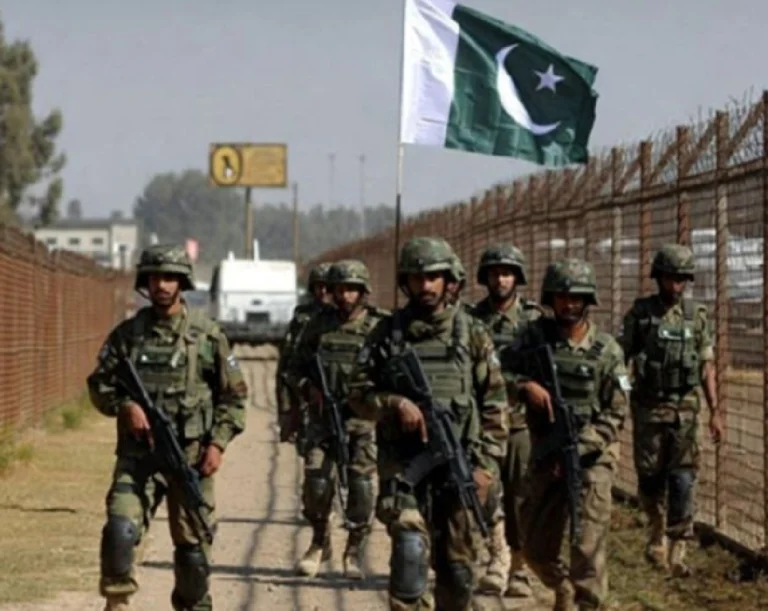


This transformative shift in exchange rate dynamics commenced its journeyfollowing the implementation of a stringent crackdown against illicitforeign currency operations. The dividends of this crackdown were swift andsubstantial: the unregulated grey market swiftly dissipated, and thesmuggling of US dollars to neighboring Afghanistan and Iran was broughtunder control.
These developments have exerted a discernible influence on the dollar’sstanding in the interbank market. As a result, exporters have become moreinclined to liquidate their dollar holdings within the formal bankingsector, infusing the market with ample liquidity. This liquidity injectionhas, in turn, bolstered the local currency, leading to its strengtheningagainst the US dollar, with the exchange rate reaching an impressive 289.80in the interbank market.