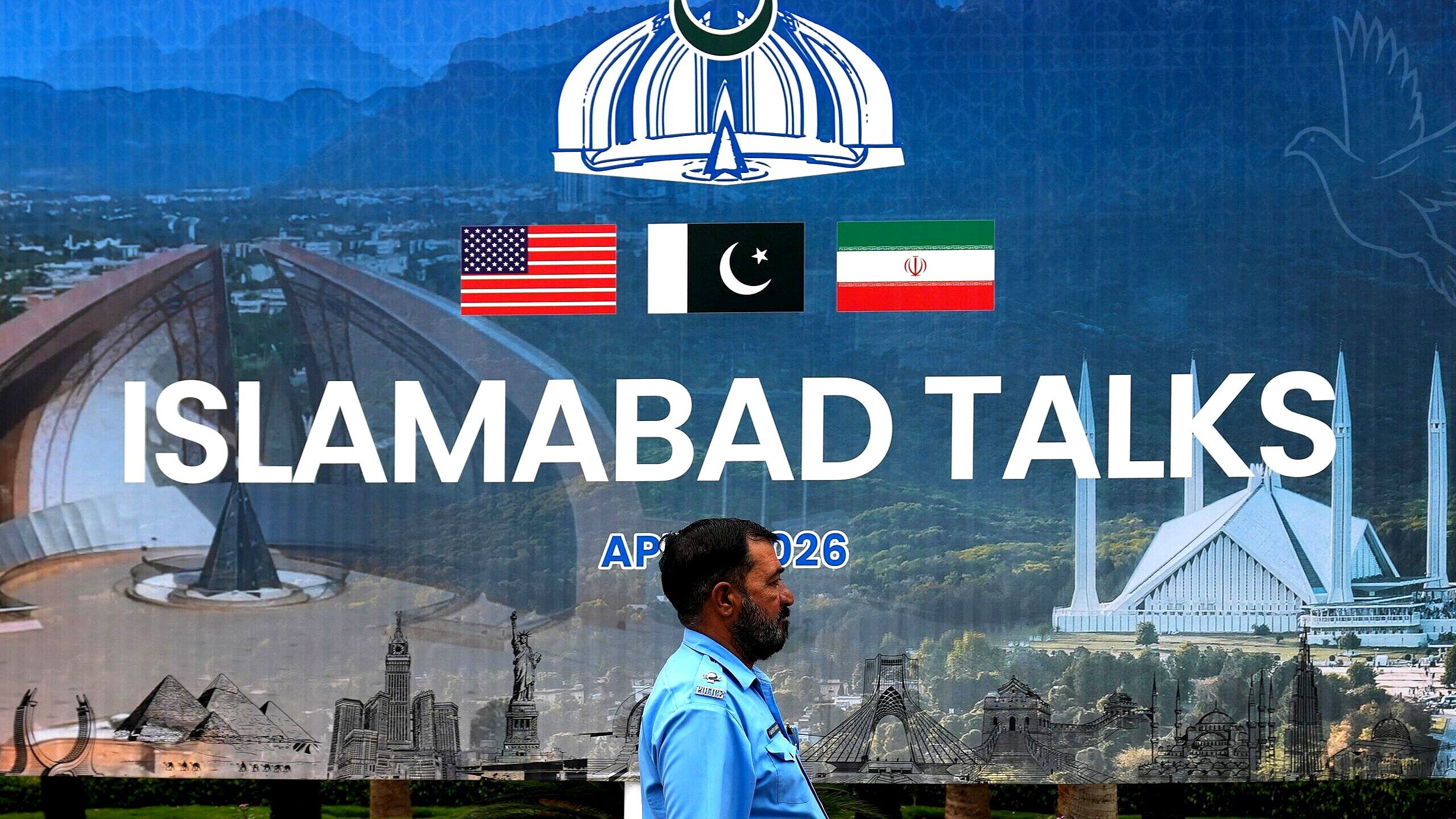




Against Tehran
ISLAMABAD: Diplomatic tensions are once again at the forefront as Iran’s
top diplomat departs from Pakistan, signaling a potential setback in
ongoing negotiations. The departure comes amidst a backdrop of escalating
conflicts, particularly between Israel and the Iranian-backed Hezbollah,
raising questions about the future of Middle Eastern diplomacy.
The recent ceasefire between Israel and Hezbollah was already fragile, and
the firing of missiles from both sides on Saturday has only intensified the
situation. Israeli Prime Minister Benjamin Netanyahu’s comments about the
conflict suggest a willingness to escalate military actions, which
complicates the diplomatic landscape further. This environment of
uncertainty is not conducive to peace talks, and the withdrawal of Iranian
diplomats adds another layer of complexity.
The timing of Iranian Foreign Minister Hossein Amir-Abdollahian’s departure
from Islamabad is particularly noteworthy. His visit was initially aimed at
strengthening ties and discussing regional security issues, but the abrupt
end to his trip raises concerns about Iran’s commitment to dialogue.
Analysts suggest that this could reflect internal pressures within Iran as
well as external geopolitical dynamics that are increasingly hostile.
Adding to the confusion, former U.S. President Donald Trump has publicly
stated that he instructed his envoys not to pursue diplomatic engagements
in Pakistan. Trump’s remarks, made during a recent interview, indicate a
shift in U.S. foreign policy that could further isolate Iran. The decision
not to send key figures like Jared Kushner and Avi Berkowitz to Pakistan
for negotiations is seen as a significant blow to any potential diplomatic
breakthrough.
The implications of these developments are vast. For Iran, losing the
opportunity to engage with Pakistan means a missed chance to solidify
alliances in a region where it faces increasing isolation. For Pakistan,
the absence of Iranian diplomats could hinder its role as a mediator in
regional conflicts, especially given its strategic position and historical
ties with Tehran.
As tensions rise, the question remains: what will be the next steps for
Iran and its allies? The Iranian government has been vocal about its desire
for dialogue, but with key diplomatic channels closing, the path forward
appears increasingly uncertain. The potential for military escalation looms
large, especially if both Israel and Hezbollah continue to engage in
hostilities.
Moreover, the impact of U.S. foreign policy cannot be understated. Trump’s
decision to withdraw envoys from Pakistan signals a broader trend of
disengagement that could have lasting repercussions on Middle Eastern
stability. The U.S. has traditionally played a significant role in
mediating conflicts in the region, and its absence may embolden hardline
factions within Iran and Israel.
In the context of these developments, the Iranian leadership faces a
critical juncture. The internal and external pressures may lead to a
recalibration of its foreign policy approach. The Iranian regime has
historically relied on a mix of diplomacy and military strength to navigate
regional challenges, but the current environment may force a reassessment
of its strategies.
Looking ahead, the situation remains fluid. The potential for renewed
conflict between Israel and Hezbollah could overshadow any diplomatic
efforts, while Iran’s isolation may deepen if it cannot find new avenues
for engagement. The international community will be watching closely as
these dynamics unfold, particularly the responses from key players like
Russia and China, who have vested interests in the region.
In conclusion, the stumbles in Iran’s diplomatic efforts underscore the
complexities of Middle Eastern politics. As the region faces heightened
tensions and shifting alliances, the future of peace talks remains
uncertain. Will Iran find a way to navigate these challenges, or are we
witnessing the beginning of a more tumultuous phase in regional diplomacy?
Only time will tell.