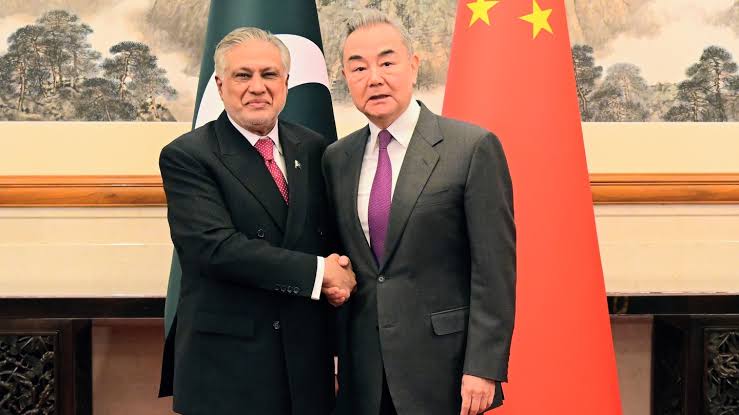
ISLAMABAD: China has urged Pakistan and Afghanistan to immediately implement a ceasefire amid intense cross-border clashes that escalated dramatically with Pakistani airstrikes on Afghan cities including the capital Kabul.
The call came from Chinese Foreign Ministry spokesperson Mao Ning during a regular press briefing on Friday as explosions rocked Kabul and other locations following retaliatory actions by both sides.
Mao Ning described Beijing as deeply concerned about the escalation of the conflict which has involved airstrikes ground clashes and heavy casualties along the Durand Line.
She emphasized that China calls on both sides to remain calm exercise restraint achieve a ceasefire as soon as possible and avoid further bloodshed.
The spokesperson highlighted that such de-escalation serves the fundamental interests of the peoples of both countries and contributes to regional peace and stability.
China has been actively engaging through its own channels to mediate the tensions between Islamabad and Kabul.
Mao Ning noted that the Chinese foreign ministry along with embassies in Pakistan and Afghanistan are working with relevant parties in both nations to ease the situation.
Beijing expressed willingness to continue playing a constructive role in reducing hostilities.
The latest flare-up stems from months of deteriorating relations between Pakistan and the Taliban-led Afghan government.
Tensions have centered on cross-border militant activities with Pakistan accusing Afghan soil of harboring Tehreek-e-Taliban Pakistan fighters responsible for attacks inside its territory.
Recent incidents include Pakistani airstrikes earlier in February targeting alleged militant camps in Afghan provinces such as Nangarhar Paktika and Khost.
Those operations reportedly aimed at seven sites linked to the Pakistani Taliban and Islamic State Khorasan Province.
Afghan sources claimed civilian casualties from those strikes while Pakistan reported eliminating militants.
In retaliation Afghan forces launched large-scale offensive operations against Pakistani military positions along the border on Thursday night.
This prompted Pakistan to declare an open war and launch Operation Ghazab Lil Haq or Righteous Fury.
Pakistani airstrikes hit Taliban defense facilities in Kabul Kandahar and Paktia provinces.
Defence Minister Khawaja Muhammad Asif stated that Pakistan’s patience had run out describing the situation as open war.
Reports indicate explosions in Kabul with strikes targeting military offices posts and other installations.
Both sides have claimed inflicting significant casualties with Pakistan asserting over 130 Taliban fighters killed in recent actions.
The conflict has raised alarms over potential broader instability in the region given the shared border’s volatility and historical disputes over the Durand Line.
Previous attempts at de-escalation including Qatar-mediated efforts have faced challenges as tit-for-tat incidents persisted.
The involvement of China a key economic partner to both nations through initiatives like the China-Pakistan Economic Corridor adds weight to its mediation appeal.
Beijing has long advocated for dialogue and restraint in regional disputes while opposing terrorism in all forms.
Analysts note that prolonged fighting could disrupt trade routes security cooperation and refugee flows affecting neighboring countries.
The United Nations and other international actors have monitored the situation closely though no immediate coordinated response has emerged beyond calls for calm.
Casualty figures remain contested with Afghan reports citing civilian deaths and injuries from Pakistani strikes.
Pakistan maintains its actions are defensive and intelligence-based targeting only militant infrastructure.
The Durand Line has long been a flashpoint with Afghanistan not formally recognizing it as the international boundary.
This underlying issue compounds security grievances related to militant sanctuaries.
China’s statement underscores its strategic interest in stability given investments and border proximity.
As a major stakeholder Beijing’s diplomatic push could influence de-escalation efforts.
Observers await responses from Islamabad and Kabul to the ceasefire appeal.
The situation remains fluid with ongoing clashes reported near key crossings like Torkham.
Further escalation risks drawing in additional regional dynamics.
Pakistan has emphasized its commitment to countering threats from across the border.
Afghan officials have framed their actions as legitimate defense against aggression.
The international community watches closely as the conflict tests bilateral ties and regional security architecture.
China’s proactive stance highlights its growing role in South Asian affairs.
Diplomatic channels remain open with embassies facilitating communication.
A swift ceasefire would prevent humanitarian fallout and economic disruptions.
Both nations face internal pressures from militant violence and border insecurity.
Resolution through dialogue aligns with broader calls for peace in the region.
The coming days will reveal whether China’s intervention gains traction amid heightened military activities.