ISLAMABAD – More than 17 years after the US invasion of Afghanistan,Washington and the Taliban appear closer than ever to some sort ofagreement that could bring the insurgents to the table for peace talks.ADVERTISEMENT
However with the withdrawal of US troops seen as part of the deal, fearsare rising about what an American exit could mean for Afghanistan, withsecurity forces taking staggering losses, the government facing electionupheaval, and civilians paying a disproportionate price after nearly twodecades of bloodshed.
Here is a rundown of the status of the talks and what can be expected inthe future.
What has happened so far?
The US and Taliban representatives have held several rounds of negotiationsin recent months, part of a diplomatic push to get the insurgents to agreeto peace talks.
The latest session ended in Qatar on Saturday after six straight days ofnegotiations — the longest consecutive sit-down between the two sides todate.
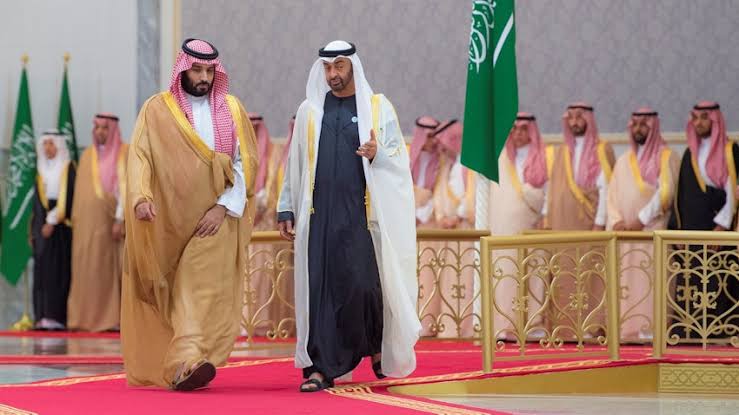
Saudi Arabia, the United Arab Emirates and Pakistan — the only countriesto recognise the Taliban regime of the late 1990s — have also allparticipated in the talks, but the Afghan government has complained ofbeing cut out of them.
The militants are negotiating from a position of strength: they have theupper hand on the battlefield, and US President Donald Trump’s reportedeagerness to start withdrawing troops from Afghanistan is weighing heavy onthe discussions.
What is the goal of the talks?
Ostensibly to find a way to bring the Taliban to the table for peacenegotiations with the government in Kabul to end the Afghan conflict.
Doing so could require some movement on longstanding demands from bothsides. For the Taliban, that includes a timetable for the withdrawal offoreign forces in Afghanistan, while the US is seeking promises thatAfghanistan will not be used again as a base for militants to launchattacks on foreign countries.
Other issues include a potential ceasefire, a prisoners exchange, and waysto bring the Taliban into the political mainstream without undermining thelegitimacy of the elected government in Kabul.
The Taliban is widely believed to want a return to power in Afghanistan andto reimpose sharia law, although there is some uncertainty over whetherthey might loosen their hardline stance after a US exit.
What have they decided?ADVERTISEMENT
Nothing yet. But it is believed the the US and Taliban have come closer toan agreement than ever before. For now, the two sides have agreed to keeptalking.
US special envoy Zalmay Khalilzad, who is heading the initiative forWashington, appeared upbeat, saying late Saturday that the talks were “moreproductive than they have been in the past. We made significant progress onvital issues”.
But he added: “Nothing is agreed until everything is agreed, and’everything’ must include an intra-Afghan dialogue and comprehensiveceasefire.”
Read Top Stories
The Taliban also cited progress, though spokesman Zabihullah Mujahid saidreports of an 18-month withdrawal plan and a ceasefire are “not true”.
What happens next?
Khalilzad has said he is returning to Kabul for consultations, and islikely hold a range of meetings with the Afghan government.
The Taliban have said they are planning to “share details of the meetingsand receive guidance” from their leaders before moving forward, and vowedto resume “similar future meetings”.
More talks are expected soon, but neither side has given any clarity onwhen, or when a deal might be announced.
Even if one is reached in the near future, it will only be the beginning ofa peace process. A withdrawal would need to be managed carefully to preventthe collapse of Afghan security forces, and any negotiations between theTaliban and the Kabul government could take months, if not years.
What does it mean for future peace?
“There are too many unknowns… this is just a beginning,” analyst BorhanOsman told AFP. “Nobody should underestimate the complexity and delicacy ofthe way forward from here.”
The major sticking point remains the Taliban’s flat refusal to speak withthe Afghan government, whom the insurgents brand as “puppets” of the West.
Even if the US and Taliban can agree on a mechanism that would bring themilitants to the table with Kabul, however, then any specifics will be thesubject of “thorny negotiations, in a long battle of wills among morestakeholders than the Taliban and the US”, Osman warned.
Last year Afghan President Ashraf Ghani offered a peace plan whichencompassed a ceasefire and called for bringing the Taliban into thepolitical mainstream.ADVERTISEMENT
However the Taliban’s response was lukewarm at the time and experts saidthey had no reason to expect that stance to change.
“The Taliban will not agree to a power-sharing deal,” Afghan analyst NazarMohammad Mutmaeen told AFP.
A US exit without some sort of rapport between the Taliban and Kabul couldbe disastrous.
There are fears that Afghan security forces — already taking what expertshave described as “unsustainable” losses — could break down along ethniclines, unleashing an even bloodier civil war or even ushering in the returnof a Taliban regime. – APP/AFP