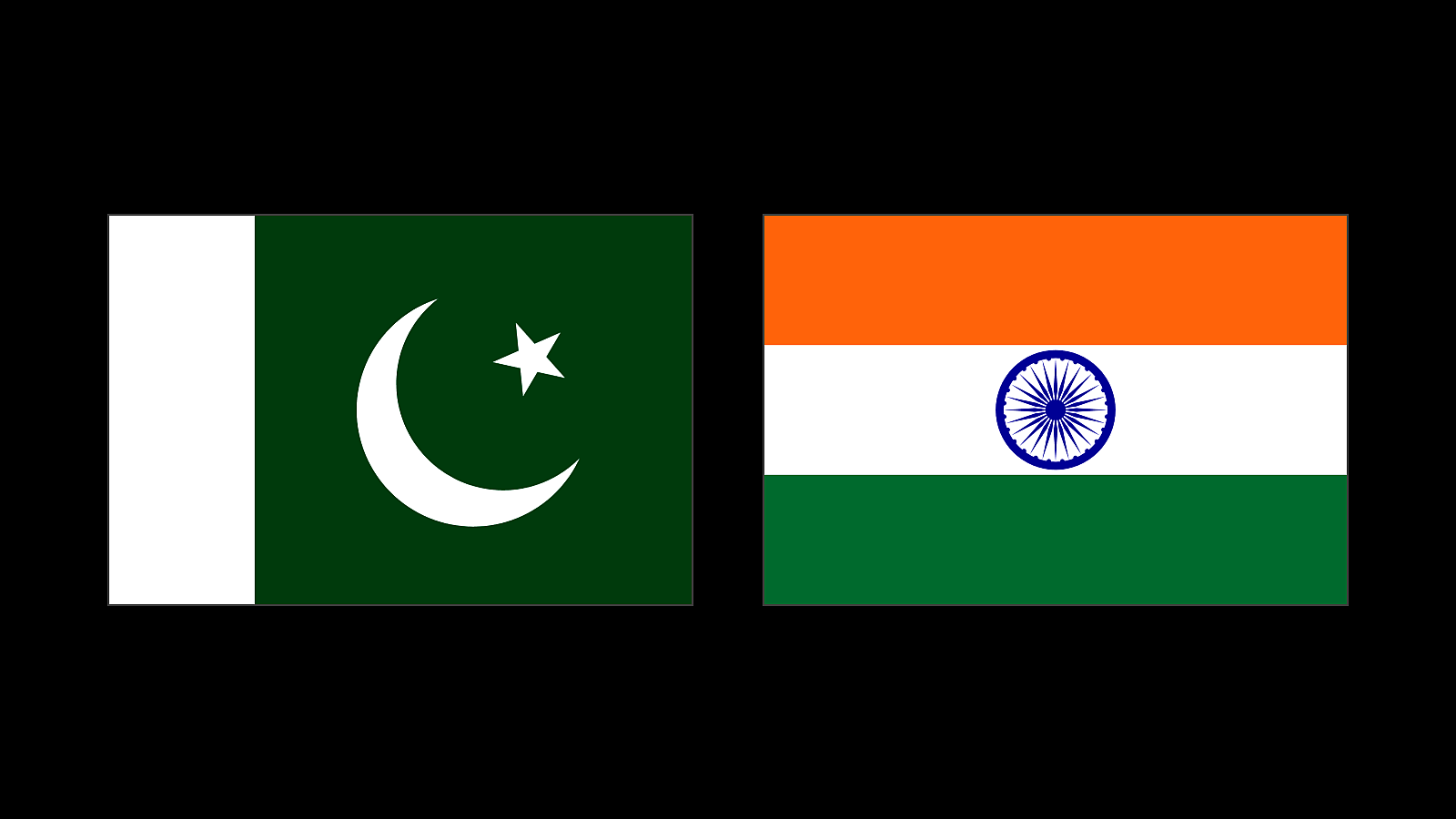


ISLAMABAD: India’s government has formally requested that Netflix refrain from airing a Pakistani Urdu-language drama series within India. This move follows a plea from a prominent Indian film workers’ union.
The series, titled “Jo Bachay Hain Sang Samait Lo,” is scheduled for a global release on December 4. It marks Netflix’s first Urdu-language production.
The All Indian Cine Workers Association (AICWA) wrote to Prime Minister Narendra Modi, urging him to prevent the broadcast of Pakistani content in India. Their letter stated, “No Pakistani face, voice or story has a place on Indian screens.”
Netflix had previously informed India’s information and broadcasting ministry in June 2025 that it was not offering any Pakistani-origin films or series to Indian subscribers. This information was reportedly shared by Indian government sources.
Modi’s administration is now asking Netflix to uphold this commitment. This comes after receiving complaints regarding the potential release of the new series in India. Netflix has not yet commented on the matter.
AICWA cited that several actors featured in “Jo Bachay Hain Sang Samait Lo” have previously voiced opinions against India during periods of heightened bilateral tension. The union also called for strict legislation against Pakistani content.
India represents a substantial market for Netflix, with an estimated 20 million users. The platform is also experiencing growth among young, digitally connected demographics in the country.
“Jo Bachay Hain Sang Samait Lo” is based on a novel by Pakistani author Farhat Ishtiaq. The series reportedly explores themes of love and relationships through the stories of six couples.
The cast includes well-known Pakistani actors such as Fawad Khan, Sanam Saeed, and Mahira Khan. Their involvement has drawn attention amid the ongoing discussions.
The government’s request highlights the sensitive nature of cultural exchanges between India and Pakistan. It underscores the impact of political relations on the entertainment industry.
The situation raises questions about the future of Pakistani content on international streaming platforms accessible in India. It also reflects the ongoing complexities of India-Pakistan relations.
Source: scmp