Islamabad/Dhaka, August 24 — In a notable development in regional defensecooperation, Bangladesh’s top military general has paid an official visitto Pakistan, during which both sides agreed to expand bilateral militarycollaboration. The highlight of the visit was an announcement that thePakistan Air Force (PAF) will provide advanced combat training toBangladeshi pilots.
According to defense sources, the agreement will allow Bangladeshi pilotsto undergo specialized courses at PAF’s advanced training centers, wherethey will gain exposure to modern aerial warfare tactics, air combatmaneuvering, and the use of fourth-generation fighter platforms such as theJF-17 Thunder.
The visit included high-level meetings between Bangladeshi militaryleadership and Pakistan’s Chief of Air Staff, as well as briefings onPakistan’s indigenous defense capabilities. Officials in Islamabaddescribed the discussions as “fruitful and forward-looking,” emphasizingthe shared goal of enhancing interoperability and professional exchangesbetween the two forces.
Military analysts in Dhaka view the development as a major step towardstrengthening the professional capacity of the Bangladesh Air Force (BAF).“Access to advanced combat training from a country like Pakistan, withextensive operational experience, will help Bangladesh modernize its aircombat doctrines,” said a retired BAF officer.
Regional observers note that India is likely to watch the development withcautious interest, given the sensitive nature of defense ties in SouthAsia. While Bangladesh has traditionally cooperated closely with India intraining and defense exchanges, its decision to deepen militarycollaboration with Pakistan may reflect Dhaka’s desire to diversifystrategic partnerships.
Read Top Stories
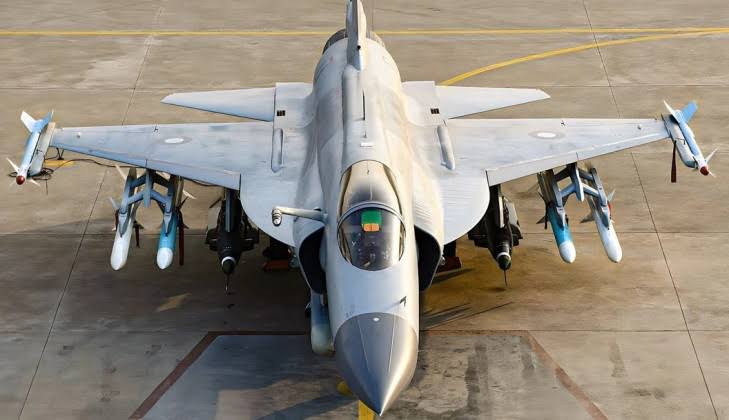

For Pakistan, the move signals its growing role as a defense training hubin the region. The PAF has previously trained pilots from Middle Easternand African nations, and the inclusion of Bangladeshi officers adds to itsexpanding international footprint.
As the first batch of Bangladeshi pilots prepares to begin training laterthis year, both countries have expressed optimism that the program willstrengthen bilateral defense ties and open avenues for further cooperationin military technology and strategic dialogue.