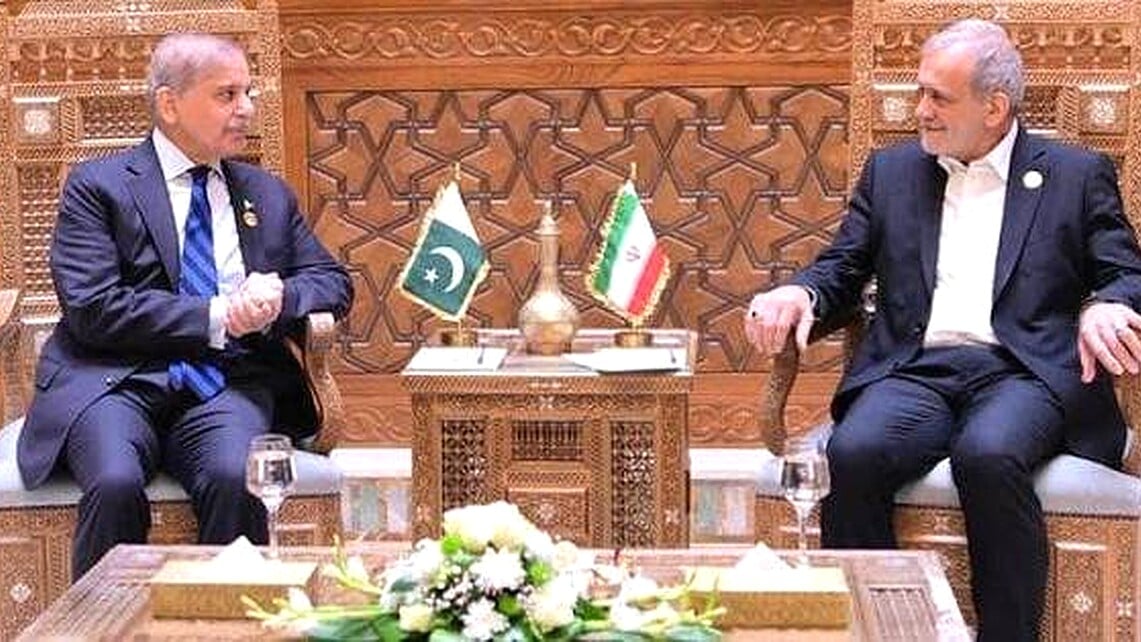
ISLAMABAD: Iran has firmly rejected a comprehensive 15-point ceasefire proposal from the United States that was secretly delivered through Pakistani intermediaries, dealing a significant setback to efforts aimed at holding peace talks in Islamabad.
The US plan, which sought to end the ongoing war now entering its fourth week, included major concessions on sanctions relief, limits on Iran’s ballistic missile programme, a rollback of its nuclear activities with International Atomic Energy Agency monitoring, civilian nuclear cooperation, and guaranteed access for shipping through the Strait of Hormuz. Pakistani officials confirmed the delivery on Wednesday, describing the document as a broad framework for de-escalation.
Iranian officials swiftly dismissed the proposal as illogical under current conditions. A senior source told state media that truce talks remain non-viable while US military pressure continues. Iran’s military spokesman mocked the American diplomatic push, stating that Washington appeared to be negotiating with itself.
Instead of accepting the US terms, Tehran has presented its own five key conditions for any potential ceasefire. These demands include an immediate and permanent halt to hostilities, formal guarantees against future US or Israeli attacks, payment of war reparations for damages inflicted, recognition of Iran’s legitimate rights in the region, and explicit control or influence over the Strait of Hormuz without external interference.
The rejection comes despite Pakistan’s high-level mediation efforts. Islamabad, leveraging its close ties with both Tehran and Washington, had positioned itself as a neutral venue for indirect or direct negotiations. Pakistani Army Chief Field Marshal Asim Munir and senior civilian leaders have been actively facilitating back-channel communications in recent days.
Two Pakistani officials, speaking on condition of anonymity, revealed that the 15-point plan reached Iranian hands only hours before public statements of dismissal. Mediators had hoped for in-person talks in Islamabad as early as this weekend, with Egypt and Turkey also involved in parallel efforts. However, Iran’s firm stance now clouds prospects for any breakthrough hosted on Pakistani soil.
The Strait of Hormuz remains a critical flashpoint. Roughly one-fifth of global oil supplies pass through this narrow waterway, and any prolonged disruption has already sent shockwaves through energy markets. Reports indicate recent Iranian actions have intensified tensions, including incidents affecting shipping routes and regional infrastructure.
US officials briefed on the proposal described it as a comprehensive deal rather than a simple truce. It reportedly demanded Iran cease support for regional proxies, limit missile development, and allow strict oversight of its nuclear sites, including Natanz, Fordow, and Isfahan. In exchange, Washington offered phased sanctions relief and potential civilian nuclear assistance.
Iranian parliamentary speaker Mohammad Bagher Qalibaf publicly denied any direct or indirect negotiations with the United States. Foreign Minister Abbas Araghchi’s office acknowledged discussions with friendly countries but insisted no formal talks with Washington had begun. A military spokesman reinforced this position, declaring that Iran would never come to terms with the US under present circumstances.
The development marks a clear diplomatic setback for Pakistan’s mediation ambitions. Islamabad had offered to host renewed negotiations, building on recent high-level contacts between Pakistani leadership and both sides. Saudi Arabia’s Crown Prince Mohammed bin Salman has also engaged Pakistani Prime Minister Shehbaz Sharif on the crisis, underscoring broader regional interest in de-escalation.
Analysts note that Iran’s five conditions directly counter several US demands. Tehran seeks financial compensation estimated in billions of dollars for war-related losses, alongside ironclad security guarantees. Control over the Strait of Hormuz is framed as a non-negotiable sovereign right, while any restrictions on its ballistic missile programme are rejected outright as threats to national deterrence.
The war has already claimed over 2,000 lives and displaced millions across the Middle East. US troop movements, including deployment of paratroopers and Marines to the region, have heightened fears of further escalation even as diplomatic channels remain open through third parties.
Pakistan finds itself in a delicate position. While maintaining neutrality, its role as messenger has drawn both praise and scrutiny. Local diplomatic sources suggest quiet progress in indirect exchanges, yet public rejections from Tehran highlight the wide gap between the two sides.
Energy markets reacted sharply to the news. Oil prices surged on concerns over potential closure or threats to the Strait of Hormuz, with analysts warning of cascading effects on global inflation if hostilities persist.
Iran’s supreme leadership has repeatedly emphasised that peace requires acknowledgement of aggression and reparations. Senior officials have cited past experiences with US diplomacy as reasons for deep scepticism toward the latest proposal.
As mediators scramble to salvage talks, the rejection of the 15-point plan and Iran’s counter-conditions underscore the formidable challenges ahead. Any future negotiations in Pakistan would now require bridging these stark differences, with the region holding its breath over whether diplomacy can prevail over continued military posturing.