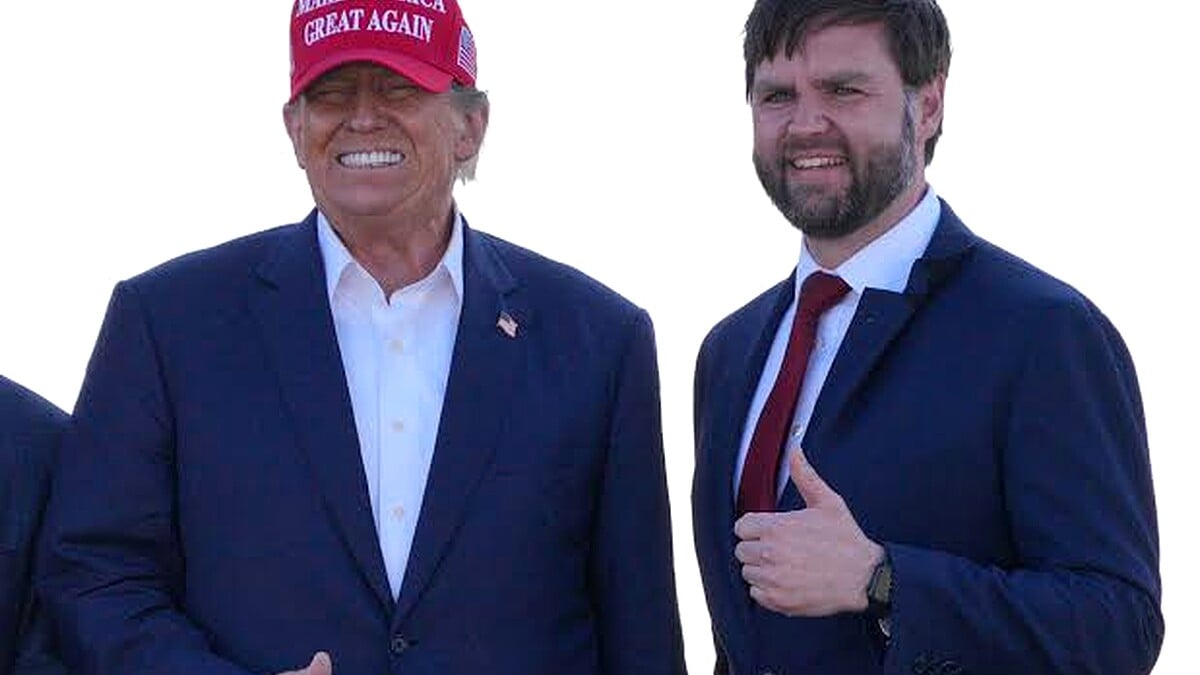
ISLAMABAD: Pakistan has positioned itself as the indispensable power broker in high-stakes US-Iran negotiations, with credible reports indicating that US Vice President JD Vance could lead the American side in talks hosted in Islamabad.
This development marks a major diplomatic achievement for Pakistan, elevating its global stature amid ongoing regional tensions stemming from the US-Israel conflict with Iran.
BBC Washington correspondent Daniel Bush highlighted the possibility, noting that the White House described the situation as fluid yet confirmed no formal announcements have been made.
Former Pakistani diplomat Shamshad Ahmad, who once served as ambassador to Iran, emphasised that Tehran places greater trust in Islamabad than in any Arab nation due to longstanding bilateral ties.
Pakistan’s unique role stems from decades of balanced relations, serving as Iran’s protecting power in Washington since diplomatic ties were severed in 1980.
Bilateral trade between Pakistan and Iran currently stands at around two billion dollars annually, with both sides committed to a five-year plan aimed at reaching five billion dollars through enhanced energy and infrastructure cooperation.
Field Marshal Asim Munir, Pakistan’s army chief, recently held direct talks with US President Donald Trump, underscoring Islamabad’s military-diplomatic leverage in de-escalation efforts.
Multiple international outlets, including the Financial Times and Axios, reported Pakistan passing messages between Washington and Tehran alongside Türkiye and Egypt over recent days.
Analysts view this as a strategic triumph, with Islamabad potentially hosting a summit involving senior US figures and Iranian parliament speaker Mohammad Bagher Qalibaf as early as this week.
Such mediation builds on Pakistan’s proven track record in regional diplomacy, including back-channel support during past US-Iran tensions and its neutral stance that avoids alienating either side.
The potential Vance visit would signal unprecedented American confidence in Pakistan’s impartiality, a rare feat given the two nations’ historically complex alliance.
Experts note that Iran’s preference for Pakistani facilitation over Gulf intermediaries reflects deep cultural and geographic affinities along their shared border.
This breakthrough comes at a critical juncture, as the conflict has already disrupted global oil supplies and heightened risks of broader escalation in the Middle East.
Pakistan’s civilian and military leadership have coordinated closely, with Foreign Minister Ishaq Dar engaging Iranian counterpart Abbas Araghchi on recent developments.
By hosting these talks, Islamabad not only averts further instability but also cements its emergence as a pivotal player in global conflict resolution.
The move has drawn praise from regional observers, who see it reinforcing Pakistan’s neutral foreign policy doctrine amid great-power rivalries.
If successful, the negotiations could pave the way for renewed stability, with Pakistan reaping long-term benefits in trade, security and international prestige.