ISLAMABAD: A senior Iranian diplomat has revealed modest yet real prospects for direct negotiations between Tehran and Washington, positioning Islamabad as one potential venue in a high-stakes diplomatic push.
Speaking exclusively to BBC News Urdu on condition of anonymity, the diplomat confirmed that minor possibilities for these talks currently exist amid ongoing regional tensions.
He added that should a final decision be taken on the negotiations, Islamabad could host them alongside other unspecified locations, marking a significant neutral-ground option.
Iranian officials, he said, now await precise details from their Ministry of Foreign Affairs before proceeding further.
This disclosure comes days after US President Donald Trump publicly claimed on Sunday that very positive, result-oriented and constructive discussions had occurred with Iran to end prevailing tensions.
Trump’s assertion suggested momentum toward de-escalation, raising hopes for a breakthrough in one of the world’s most volatile relationships.
Yet Iran’s Ministry of Foreign Affairs promptly rejected the claim, issuing a firm denial of any ongoing dialogue between Tehran and Washington.
The contradiction has fuelled intense speculation across diplomatic channels worldwide.
Pakistani leaders have responded swiftly, initiating high-level contacts with both capitals to facilitate dialogue and reduce risks of further escalation.
White House officials confirmed via email to BBC Urdu that Field Marshal Asim Munir held a direct telephone conversation with President Donald Trump on the previous day.
The discussion focused on easing current frictions, with Pakistan offering its good offices as a trusted intermediary.
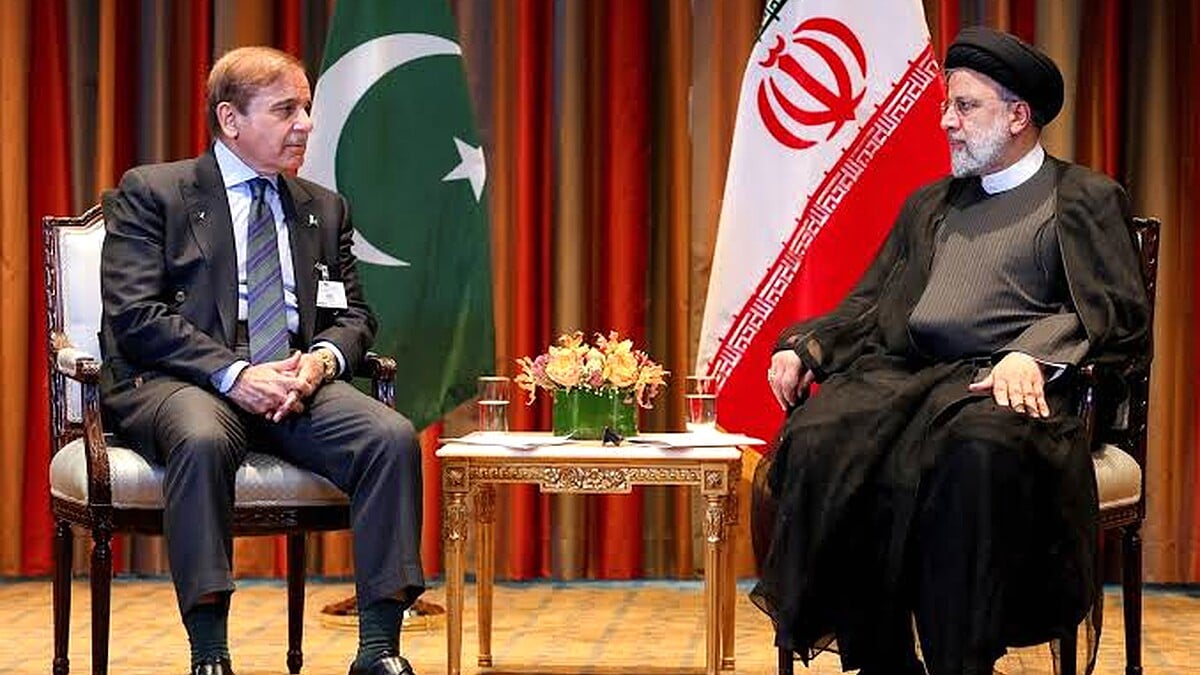
On Monday, Prime Minister Shehbaz Sharif separately spoke by phone with Iranian President Masoud Pezeshkian, underscoring the urgency of immediate tension reduction.
Sharif stressed resolving differences exclusively through dialogue and diplomacy, particularly with neighbouring states, to safeguard regional stability.
These back-to-back engagements highlight Pakistan’s coordinated civilian-military approach to mediation at a critical juncture.
Field Marshal Asim Munir’s intervention, as the country’s top military figure, adds substantial weight given his established ties across key regional actors.
Analysts observe that Pakistan’s balanced relations with both Washington and Tehran uniquely qualify it for such a bridging role.
Recent reports from national and regional media outlets corroborate Islamabad’s readiness to host any future talks if formally requested.
The sequence of events—Trump’s Sunday statement, Iran’s denial, and Pakistan’s Monday outreach—illustrates the fast-moving nature of these behind-the-scenes efforts.
Observers note that successful Pakistani facilitation could prevent wider spillover effects from the tensions gripping the Middle East.
Pakistan’s track record in hosting sensitive multilateral forums lends credibility to its emerging mediator profile.
As anticipation mounts, the Iranian diplomat’s cautious optimism signals that even limited prospects warrant serious attention from all parties.
The potential for Islamabad to serve as the venue carries symbolic importance, elevating Pakistan’s global diplomatic stature overnight.
Should talks materialise here, they would represent a rare convergence of interests in a region long plagued by mistrust.
Pakistani officials continue monitoring developments closely while maintaining neutrality to preserve their trusted status.
This evolving situation underscores how timely leadership calls can open narrow windows for peace when traditional channels remain blocked.
The coming hours may clarify whether these minor possibilities evolve into tangible negotiations hosted on Pakistani soil.