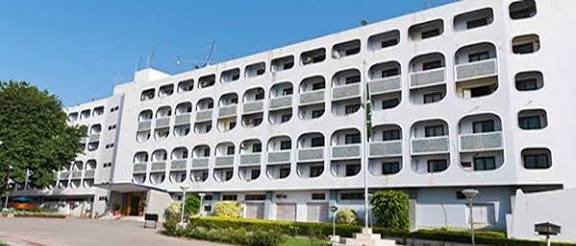
ISLAMABAD: No instructions have been received to close Pakistan’s diplomatic mission in Afghanistan, diplomatic sources confirmed on Tuesday amid circulating social media rumours suggesting an imminent withdrawal.
The Pakistani embassy in Kabul and consulates in other Afghan cities continue to operate normally, with routine consular services including visa processing for Afghan citizens remaining active.
Pakistan’s ambassador to Afghanistan, Ubaid Ur Rehman Nizamani, is presently stationed in Kabul, underscoring the mission’s ongoing functionality despite heightened bilateral tensions.
Diplomatic sources emphasised that embassies are not closed through media reports or rumours but follow established protocols involving formal directives from relevant authorities.
No such directive has been issued by either Islamabad or Kabul, they added, dismissing speculation as baseless.
This clarification comes against the backdrop of persistent security frictions, particularly Pakistan’s accusations that the Taliban administration has failed to curb cross-border militant activities by groups like the Tehrik-i-Taliban Pakistan (TTP).
Recent months have witnessed escalations, including Pakistani airstrikes inside Afghan territory targeting alleged militant hideouts, which Kabul has condemned as violations of sovereignty.
In February 2026, Afghanistan lodged a formal complaint with the United Nations Security Council over these strikes, highlighting deepening mistrust.
Despite such incidents, diplomatic channels have remained open, with Pakistan maintaining its upgraded ambassadorial presence in Kabul since mid-2025.
In May 2025, Pakistan elevated its mission from chargé d’affaires to full ambassadorial status, a move reciprocated by the Taliban authorities who upgraded their representative in Islamabad.
This upgrade, facilitated in part by regional diplomacy including Chinese facilitation, aimed to foster enhanced bilateral cooperation in trade, security, and humanitarian domains.
The embassy website continues to post routine updates, including events like Independence Day celebrations and community engagements, indicating sustained operations.
Pakistan has consistently stated that its sole major bilateral dispute with Kabul revolves around terrorism originating from Afghan soil.
Foreign Office statements have reiterated that meaningful cooperation remains possible only with verifiable commitments from the Afghan side to eliminate terrorist sanctuaries.
The presence of the embassy facilitates consular support for the Pakistani community in Afghanistan, visa services, and limited humanitarian coordination.
Social media rumours of closure often surface during periods of heightened border clashes or airstrikes, but official sources have repeatedly debunked them.
In late 2025 and early 2026, despite deportations of Afghan nationals from Pakistan and retaliatory rhetoric, diplomatic infrastructure has not been withdrawn.
The embassy’s continued functioning reflects Islamabad’s strategic interest in maintaining engagement to address refugee issues, trade routes, and counter-terrorism.
Pakistan has deported over a million Afghans in recent years, citing security concerns, while Kabul has faced challenges in managing returnees amid economic hardship.
Yet, diplomatic missions serve as critical lifelines for dialogue, even when public rhetoric turns adversarial.
Analysts note that severing diplomatic ties would further isolate both sides and complicate regional stability efforts involving neighbours like China, Iran, and Central Asian states.
Pakistan’s mission in Kabul has historically weathered turbulent phases, including the immediate post-2021 Taliban takeover when many Western embassies evacuated.
Pakistan, along with China and Russia, maintained presence to safeguard interests and promote stability.
Current operations include processing visas, assisting citizens, and participating in limited bilateral talks.
Diplomatic sources warned that any Afghan action against the mission in violation of diplomatic norms would prompt reciprocal measures.
For now, the status quo prevails, with the embassy and consulates fully operational.
This persistence highlights the complex interdependence between the two neighbours, bound by geography, history, and shared security challenges.
As tensions simmer, the uninterrupted diplomatic channel offers a narrow path for potential de-escalation through sustained dialogue.