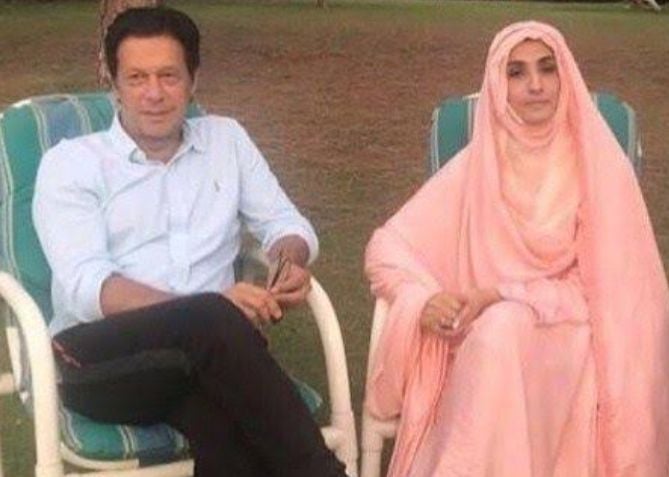
ISLAMABAD: In a significant legal relief for Pakistan Tehreek-e-Insaf (PTI) founder Imran Khan and his wife Bushra Bibi, an Islamabad court on Tuesday granted pre-arrest bail in multiple pending cases, shielding them from immediate arrest amid ongoing political and legal battles.
The decision came after Additional District and Sessions Judge Muhammad Afzal Majoka heard arguments in six pre-arrest bail applications filed by Imran Khan and one by Bushra Bibi. Both petitioners secured bail against modest surety bonds of Rs 50,000 each, a relatively low threshold that underscores the court’s assessment of the matters at this stage.
Imran Khan’s applications covered a range of high-profile allegations linked to political unrest and administrative issues. These include charges stemming from the May 9, 2023 incidents, which involved widespread vandalism, arson, and attacks on military installations following his initial arrest in a separate corruption matter. The cases also encompass the Azadi March protests, an attempted murder charge, and accusations related to alleged fake receipts in the Toshakhana affair concerning state gifts.
Bushra Bibi received pre-arrest bail in a Toshakhana-related case registered at Kohsar police station, involving similar allegations of improper handling of official valuables received during her husband’s tenure as prime minister. In addition, she was granted protection in a separate protest-related matter tied to vandalism and public order violations.
The hearing reflected a pattern of judicial scrutiny in politically charged cases against the former prime minister, who has faced dozens of FIRs since his ouster in April 2022 through a no-confidence motion. PTI leaders have consistently described these as politically motivated attempts to sideline the party ahead of electoral processes.
Court observers note that pre-arrest bail, also known as anticipatory bail, prevents detention during investigation or trial unless new compelling evidence emerges. This mechanism has been frequently invoked in Imran Khan’s legal strategy across various jurisdictions, allowing him to challenge accusations without immediate custody risks in these specific instances.
The surety amount of Rs 50,000 per person remains nominal compared to other high-profile political cases in Pakistan, where bonds have sometimes reached millions. Legal experts suggest this indicates the court’s view that the risks of absconding or tampering are low, while emphasizing the need for due process.
PTI supporters view the ruling as a partial vindication, arguing it highlights weaknesses in prosecution cases built around protest events and administrative decisions from the PTI government era. The party has long maintained that May 9 violence was instigated by agents provocateurs rather than directed by leadership.
Conversely, government and military-affiliated narratives have portrayed the incidents as orchestrated attacks on state institutions, justifying broad crackdowns and multiple FIRs against PTI workers and leaders. The attempted murder and vandalism charges carry serious implications under Pakistan Penal Code sections related to terrorism and public mischief.
The Toshakhana cases, central to many proceedings against Imran Khan and Bushra Bibi, revolve around the alleged non-transparent auction and retention of state gifts, including luxury items. Earlier convictions in related references have been challenged, with some sentences suspended by higher courts on appeal.
This latest bail decision arrives against a backdrop of extended legal proceedings. Imran Khan remains incarcerated in other matters, including cipher and iddat cases, despite intermittent bail grants in select files. Bushra Bibi has similarly navigated multiple bail extensions in protest and corruption-linked probes.
Judicial data from recent months shows a trend of interim and pre-arrest protections in lower courts for PTI figures, often extended pending detailed arguments or evidence presentation. Such measures aim to balance investigative needs with constitutional safeguards against arbitrary arrest.
Analysts anticipate potential appeals or revisions by the prosecution, which could seek cancellation if new developments arise. The cases’ political sensitivity ensures continued scrutiny from domestic and international observers concerned with judicial independence and fair trial standards in Pakistan.
For PTI, the ruling provides temporary breathing space to mobilize support and pursue appeals in higher forums. It also reinforces the narrative of resilience against what the party terms a sustained campaign of legal harassment.
The development underscores the complex interplay between politics, judiciary, and law enforcement in contemporary Pakistan, where high-stakes cases often extend over years and influence public discourse on governance and accountability.