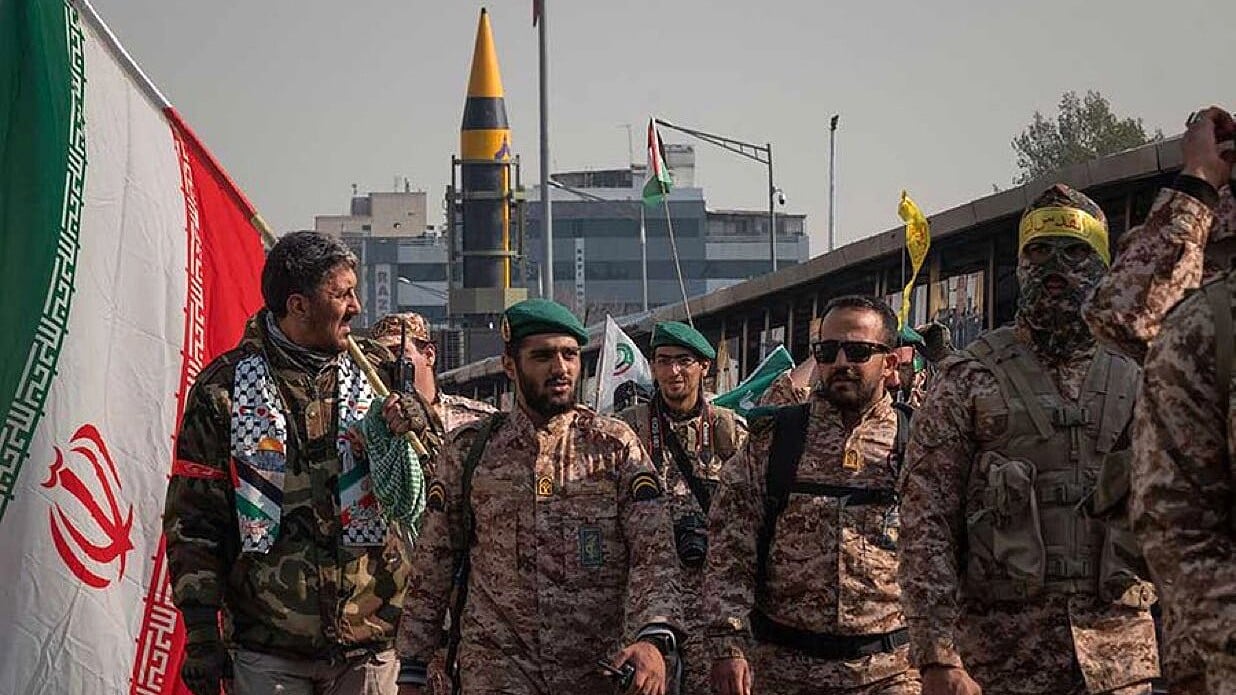
ISLAMABAD: Iran has thrown mediation efforts by Pakistan and Turkey into disarray by tabling four non-negotiable conditions for any ceasefire with the United States, according to senior Iranian officials and multiple international reports.
The Islamic Revolutionary Guard Corps outlined the demands in response to back-channel diplomacy involving Islamabad and Ankara, sources close to the talks confirmed.
First, Tehran insists on binding international guarantees that the war will never recur, fearing renewed Israeli or American strikes once hostilities pause.
Second, Iran demands an immediate end to all Israeli attacks on Hezbollah and other aligned groups across the region.
Third, complete closure of every United States military base in the Gulf and West Asia must occur, expelling American forces entirely from the area.
Fourth, full reparations for damages inflicted during the conflict must be paid by Washington and its allies.
These conditions emerged as Pakistan and Turkey stepped up secret talks with Iranian leaders, including direct outreach from President Masoud Pezeshkian to Pakistani counterparts.
Regional diplomats describe the list as maximalist yet reflective of Tehran’s belief it holds leverage after weeks of sustained missile and drone operations.
The Wall Street Journal reported Iran views itself as winning, retaining the capacity to fire dozens of ballistic missiles daily while Gulf shipping remains paralysed without Iranian permission.
Over 40 energy assets across nine Middle East countries have suffered severe damage, the International Energy Agency stated, sending oil prices surging past 100 dollars per barrel with warnings of 200 dollars if the Strait of Hormuz stays contested.
That vital waterway carries one-third of the world’s shipborne crude oil, now effectively under Iranian control as a potential toll route, according to Expediency Council member Mohammad Mokhber.
Iranian strikes have already hit key installations in Qatar, Saudi Arabia, Kuwait, Bahrain and the United Arab Emirates, creating catastrophic energy disruptions.
Global economies face immediate pain from these spikes, with analysts warning prolonged closure could trigger recessionary shocks worldwide.
Pakistan’s involvement gained prominence when Pezeshkian personally conveyed the four conditions to Islamabad’s leadership, underscoring Pakistan’s pivotal role in Gulf de-escalation.
Turkish Foreign Minister Hakan Fidan held urgent calls with Iranian, Egyptian and American officials to explore pathways forward, state media reported.
Yet Iranian officials ruled out temporary ceasefires, insisting on a permanent, comprehensive end backed by ironclad guarantees.
The Revolutionary Guards warned any attack on Iranian energy infrastructure would trigger sweeping retaliation against US-linked companies and host nations.
This posture has complicated efforts by Oman, Egypt, Pakistan and Turkey, four countries quietly pressing Tehran toward talks with the Trump administration.
Iranian missile fire rates have accelerated in recent days compared to earlier phases, demonstrating retained offensive strength despite ongoing strikes.
Damage estimates inside Iran remain classified, but officials demand compensation covering destroyed infrastructure and economic losses running into tens of billions.
Hezbollah’s continued exposure to Israeli operations forms a core grievance, with Tehran linking any deal to halting those assaults entirely.
US bases in Bahrain, Qatar and the UAE sit at the heart of the third demand, their presence long viewed by Iran as direct threats.
Reparations talks could involve Gulf states and Washington sharing the burden, yet no figures have surfaced publicly.
Pakistan and Turkey’s mediation carries unique credibility in Tehran due to longstanding ties and shared regional security concerns.
Analysts note the demands echo Iran’s post-12-day war stance last year, when similar guarantees were sought but never secured.
With shipping traffic stalled and energy prices volatile, the world watches whether these four conditions open a diplomatic off-ramp or prolong the conflict.
Regional sources stress that without addressing Tehran’s core security fears, any ceasefire remains fragile at best.
Pakistan’s diplomatic channels continue operating discreetly, balancing alliance commitments with urgent calls for stability.
Turkey similarly positions itself as a bridge, its NATO membership adding weight to back-channel proposals.
The coming days will test whether these conditions harden into deadlock or evolve into negotiated compromise.
For now, Iran’s Revolutionary Guards maintain their firm stance, holding the region’s energy lifeline in tense balance.