ISLAMABAD: Pakistan’s recent intelligence-based airstrikes targeting Tehrik-i-Taliban Pakistan hideouts in eastern Afghanistan have intensified bilateral tensions and reportedly triggered significant internal discord within the Afghan Taliban administration.
The operations, conducted in the early hours of February 22, 2026, struck seven alleged terrorist camps and hideouts in Nangarhar, Paktika, and Khost provinces. Pakistan’s military authorities claimed the strikes eliminated over 70 to 80 militants affiliated with the TTP and its associates, including elements linked to the Islamic State-Khorasan Province.
These actions followed a series of deadly attacks inside Pakistan, notably a suicide bombing at a Shia mosque in Islamabad that claimed numerous lives. Pakistani officials asserted that conclusive evidence linked these incidents to TTP leadership operating from Afghan soil, despite repeated diplomatic requests for verifiable action by Kabul.
Afghanistan’s Taliban-led government strongly condemned the incursions as violations of sovereignty. Reports from Kabul indicated civilian casualties, including women and children, in districts such as Behsud and Barmal. The Afghan defense ministry vowed an appropriate and calculated response, while rejecting claims that militant groups used Afghan territory against Pakistan.
The strikes have amplified longstanding accusations that the Afghan Taliban has failed to dismantle TTP safe havens. Since the Taliban’s return to power in 2021, Pakistan has consistently highlighted the TTP threat emanating from across the border. The group, ideologically aligned yet distinct from the Afghan Taliban, has escalated attacks in Pakistan, prompting Islamabad to pursue unilateral measures when dialogue falters.
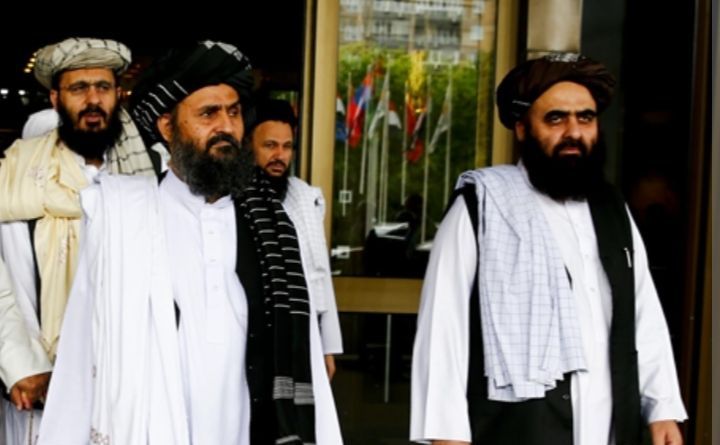
Internal repercussions within the Taliban regime have surfaced prominently. Accounts suggest that the Pakistani operations have exacerbated existing divisions between factions in Kabul and Kandahar. Supreme Leader Mullah Haibatullah Akhundzada, based in Kandahar, faces criticism over policy handling toward Pakistan and militant groups.
Leaked communications and reports indicate open disagreements during high-level emergency meetings in Kabul. Discussions reportedly centered on relations with Pakistan, approaches to extremist factions, and the sustainability of Mullah Haibatullah’s leadership amid mounting external pressures.
Analysts observe that these fractures stem from broader challenges. The Taliban administration grapples with balancing ideological commitments, managing alliances with affiliated networks, and addressing governance demands. Pakistan’s insistence on action against the TTP has placed Kabul in a difficult position, as cracking down could alienate hardline elements or risk internal cohesion.
The TTP’s resurgence has been documented in multiple sources. Attacks in Pakistan have surged in recent years, with the group exploiting border regions for operations. Pakistan maintains that Afghan territory serves as a primary base, a charge Kabul denies, insisting the TTP represents a domestic Pakistani issue.
Diplomatic efforts, including mediated talks, have yielded limited results. Recent border incidents, including clashes and retaliatory actions, underscore the volatility along the Durand Line. Pakistan has emphasized that its operations are precise and intelligence-driven, aimed at neutralizing threats rather than targeting civilians.
The international community continues to monitor developments closely. Concerns persist regarding regional stability, potential escalation, and the broader implications for counterterrorism cooperation. Pakistan has urged global actors to pressure Afghanistan into fulfilling commitments under prior agreements, such as those from Doha, prohibiting the use of territory for attacks against other states.
Within Afghanistan, the Taliban’s governance faces additional strains from economic difficulties, internal factionalism, and external isolation. The Pakistan-focused strikes highlight how cross-border security dynamics can amplify these pressures, potentially testing the regime’s unity.
Observers note that sustained military pressure may compel the Taliban to reassess its posture toward the TTP. However, any shift risks provoking backlash from allied militants or hardliners who view such groups as ideological kin.
The situation remains fluid, with both sides signaling readiness for further measures. Pakistan’s defense posture prioritizes citizen security, while Afghanistan asserts its right to sovereignty and vows proportionate retaliation.
These developments underscore the complex interplay between historical alliances, security imperatives, and leadership challenges in the region. The outcome will likely influence bilateral relations and counterterrorism efforts for the foreseeable future.