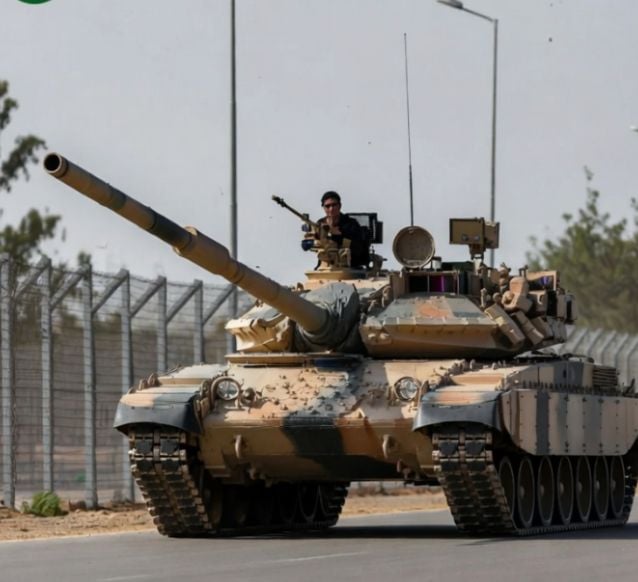
ISLAMABAD: Pakistan’s military conducted intelligence-based airstrikes early Sunday targeting seven camps and hideouts of the Tehrik-i-Taliban Pakistan (TTP) and affiliates inside Afghanistan, claiming to have eliminated at least 70 militants responsible for recent deadly attacks on Pakistani soil.
The operation followed a surge in violence, including a suicide bombing at a Shia mosque in Islamabad earlier this month that killed over 30 people and injured more than 160. Pakistani officials described the strikes as precise and selective, aimed at TTP leadership and infrastructure blamed for orchestrating cross-border terrorism.
Afghanistan’s Taliban-led defence ministry condemned the action as a violation of sovereignty and international law, asserting that civilian areas including a religious school and homes in Nangarhar and Paktika provinces were hit, resulting in dozens of deaths and injuries, including women and children. Kabul vowed a measured and appropriate response at a suitable time, while summoning Pakistan’s ambassador in protest.
This latest escalation fits into a pattern of recurring cross-border tensions since the Afghan Taliban’s return to power in 2021. Pakistan has repeatedly accused Kabul of providing sanctuary to TTP fighters, who regrouped and intensified operations after benefiting from safe havens across the Durand Line.
Data from security reports indicate a sharp rise in militancy. In 2025, Pakistan recorded its deadliest year in over a decade, with combat-related deaths exceeding 3,400, many linked to TTP activities. Militant attacks in frontier regions like Khyber Pakhtunkhwa and Balochistan surged, with the TTP conducting hundreds of operations against security forces.
The TTP, an alliance of militant factions formed in 2007, has grown more resilient since 2021, launching asymmetric attacks including suicide bombings and ambushes. Analysts note that failed diplomatic efforts, including mediated talks in Doha and Istanbul, have not curbed TTP operations from Afghan territory.
In response to Pakistan’s strikes, the Afghan Taliban confronts several dangerous strategic pathways. One option involves reviving a jihad narrative against Pakistan. Supreme Leader Haibatullah Akhundzada could issue a fatwa framing the conflict as defensive jihad, rallying ideological support and mobilizing fighters under religious pretexts.
Such a move would draw on historical precedents where cross-border grievances fueled militant recruitment. It risks broadening the conflict ideologically, attracting foreign fighters and complicating Pakistan’s internal security further.
Another pathway is greater support or integration with the TTP as a strategic extension. The Afghan Taliban might indirectly back TTP operations under the banner of Pashtun unity or the “Greater Pashtunistan” concept, transcending the disputed Durand Line.
This could involve logistical aid, training or tacit approval, positioning the TTP as a proxy force. Evidence from monitoring reports suggests ongoing Taliban tolerance of TTP presence, providing operational support despite public denials.
A third option entails strategic coordination between the Afghan Taliban and TTP to establish a buffer war zone along the Durand Line. Joint efforts could create persistent instability in border districts, stretching Pakistani military resources thin across rugged terrain.
Historical clashes demonstrate the complexity of such zones, where tribal loyalties and difficult geography favor insurgents. Prolonged low-intensity conflict would drain Pakistan’s forces, already engaged in multiple fronts.
More aggressive retaliation could include deploying suicide bombers in large numbers. The Taliban might mobilize hundreds of attackers targeting military installations, civilian infrastructure or urban centres in Pakistan, aiming to inflict maximum psychological and material damage.
Past TTP campaigns have shown the devastating potential of such tactics, with high civilian casualties amplifying pressure on the Pakistani state.
Finally, a coordinated ground offensive along the Durand Line remains possible. In areas with strong TTP presence, joint operations with local militants could escalate direct confrontations, probing Pakistani defences and seeking territorial gains.
Recent border skirmishes in 2025, including retaliatory fire after airstrikes, illustrate the volatility of ground engagements.
Historically, military confrontations with Afghanistan have proven costly for Pakistan due to mountainous terrain, entrenched tribal structures and deep ideological motivations among militants. Prolonged escalation risks unpredictability, civilian displacement and regional instability.
Pakistan maintains that its actions are defensive, urging international pressure on Kabul to honour commitments under agreements like the Doha accord not to allow territory for attacks on neighbours.
As tensions mount, the Afghan Taliban’s choices could determine whether the border conflict de-escalates through restraint or spirals into broader confrontation, with severe implications for both nations’ security and stability.