ISLAMABAD: Switzerland has suspended all new arms export licences to the United States and other parties involved in the ongoing international armed conflict with Iran, strictly upholding its centuries-old policy of neutrality.
The Swiss Federal Council announced on March 20, 2026, that no further authorisations for war materiel would be granted for the duration of the hostilities, which began with US and Israeli airstrikes on February 28.
This move affects major suppliers like SIG Sauer, whose small arms have been a key export to the US market valued at approximately 94.2 million Swiss francs (around $120 million) in 2025 alone.
The decision stems directly from Swiss law prohibiting exports of war materiel to nations engaged in armed conflicts, a rule previously applied to block sales to both Israel and Iran.
Existing licences remain under review by an interdepartmental expert group to ensure compliance with neutrality obligations. International media, including Reuters, Al Jazeera,
The New York Times, and Politico, have widely reported the suspension as a significant diplomatic statement, highlighting Switzerland’s refusal to indirectly support any belligerent in the escalating crisis.
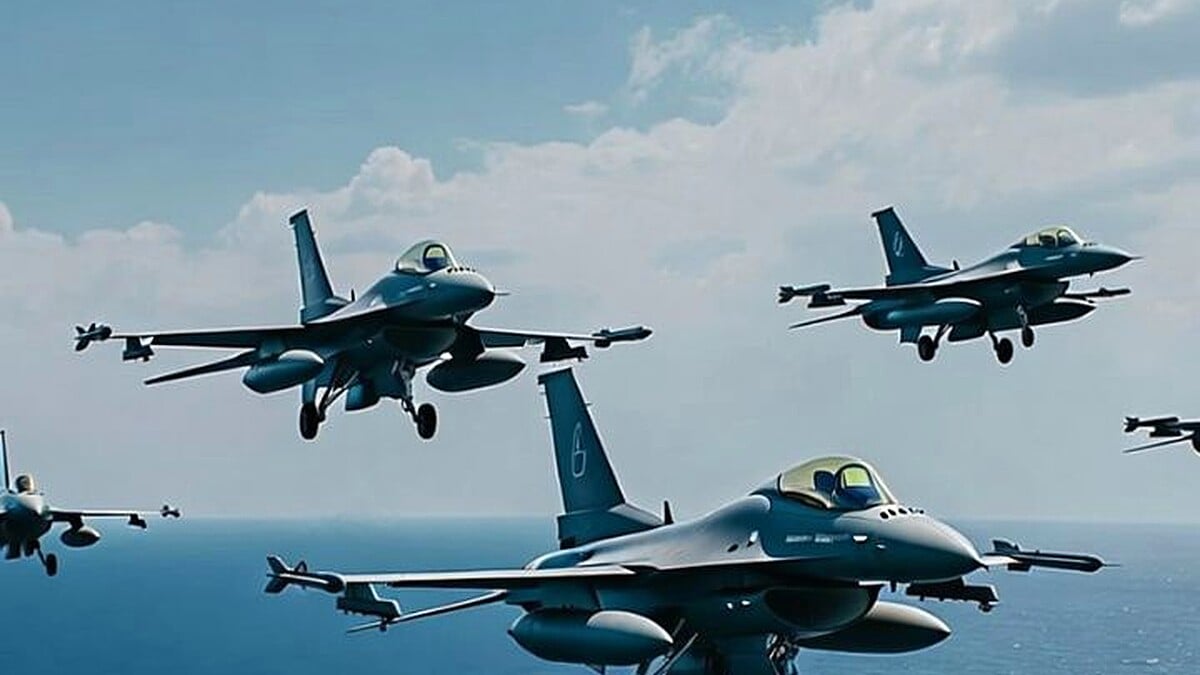
In a parallel development underscoring global reluctance to deepen involvement, Sri Lanka firmly rejected a US request to land and station two combat aircraft armed with eight anti-ship missiles at Mattala Rajapaksa International Airport.
President Anura Kumara Dissanayake informed Parliament on March 20 that the requests, made on February 26 and reiterated in early March from a base in Djibouti, were denied to preserve the island nation’s strict neutrality.
The aircraft were intended for potential support roles amid the conflict, but Colombo prioritised avoiding any perception of aiding one side.
Sri Lankan officials emphasised that allowing foreign military use of civilian infrastructure could compromise impartiality and expose the country to risks in a volatile geopolitical environment.
Reports from Al Jazeera, The New York Times, and The Hindu confirm the denials, noting widespread parliamentary applause for the president’s stance and highlighting Sri Lanka’s balancing act between ties with major powers.
Meanwhile, China has intensified calls for an immediate ceasefire and a return to negotiations to halt the Middle East conflict’s expansion.
Beijing’s foreign ministry spokesperson warned that continued armed actions would breed further hatred and severely disrupt global energy supplies, shipping routes, and trade.
With nearly 40 percent of China’s imported oil transiting the Strait of Hormuz, authorities have urged all parties to protect maritime flows and resume dialogue.
Chinese diplomacy includes dispatching a special envoy for regional mediation and joint efforts with partners like France to de-escalate tensions.
Statements from Reuters and other outlets quote officials asserting that force offers no lasting solution, while Beijing positions itself as a promoter of stability amid economic fallout concerns.
Turkey has also engaged actively, with its foreign minister conveying President Recep Tayyip Erdogan’s message to the UAE leadership, appealing for reduced hostilities and prioritised diplomacy across the region.
These concerted efforts reflect a broader international push to contain the conflict.
Experts observe that such actions by neutral and influential states indicate mounting global pressure to prevent further escalation.
Switzerland’s arms halt, Sri Lanka’s airspace denial, and diplomatic initiatives by China and Turkey collectively signal a reluctance among non-belligerents to fuel the war machine, potentially isolating participants and encouraging de-escalation pathways.
These developments collectively illustrate how the Iran conflict reverberates beyond the battlefield, prompting neutral actors to enforce boundaries and major economies to safeguard interests through restraint rather than entanglement.