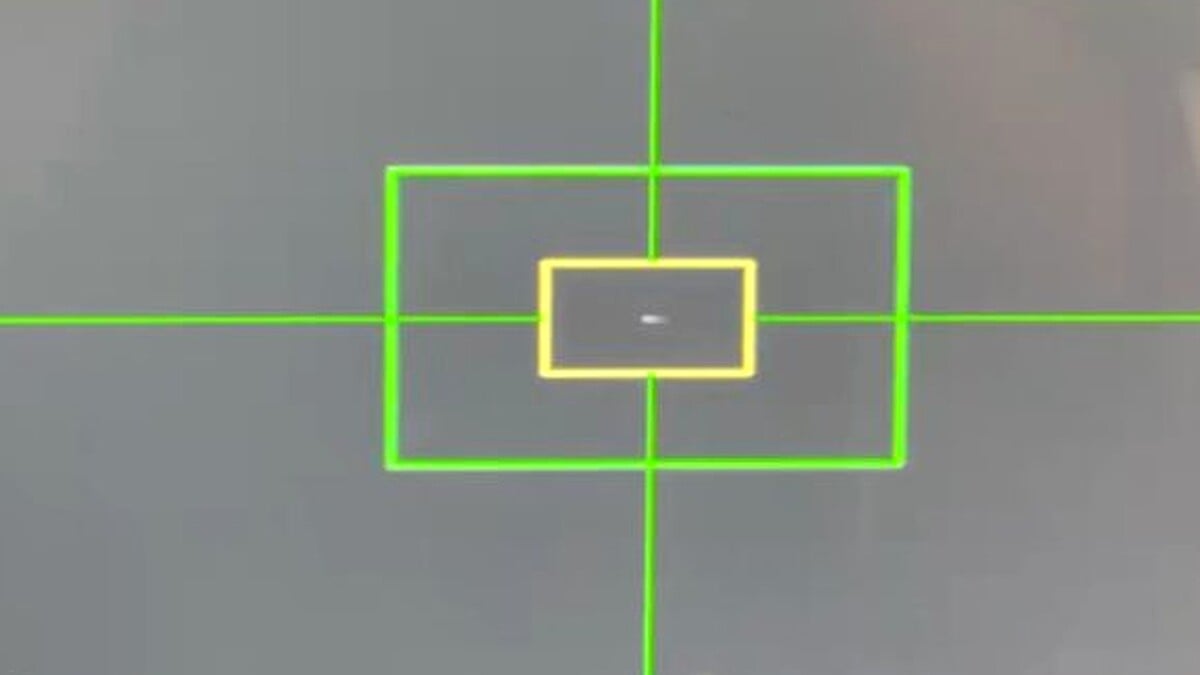
ISLAMABAD: Iranian air defence units engaged and struck an enemy F-15 fighter jet off the southern coast near Hormuz Island on Sunday, according to Russia Today.
The Islamic Republic of Iran Broadcasting reported that the aircraft was detected violating Iranian airspace, tracked, and hit by a surface-to-air missile fired by the Army’s Air Defence Force. An official investigation is now under way to establish whether the jet was downed, damaged or managed to escape.
This latest claim comes amid an intense phase of the ongoing conflict between Iran and a US-Israeli coalition that began with major airstrikes in late February 2026. Iranian media described the target as an “encroaching enemy” aircraft operating close to the strategic waterway.
The Strait of Hormuz remains one of the world’s most critical energy chokepoints. Before the current war it carried approximately 20 million barrels of oil and petroleum products per day, accounting for roughly 20 percent of global seaborne oil trade. Tanker traffic has since plunged by up to 90 percent, with only 108 vessels recorded transiting the strait since fighting erupted.
In earlier incidents involving reported F-15 and F-35 losses, CENTCOM stated no American aircraft had been lost and that US forces maintain air superiority over large parts of Iranian territory.
Iranian officials have not identified the jet’s nationality but referred to it as “enemy.” Regional observers note that F-15E Strike Eagles form a key part of American strike packages supporting operations against Iranian air defences and naval assets near the Gulf.
Iran’s Army Air Defence Force operates a layered system that includes Russian-supplied S-300 batteries and domestically developed systems such as the Bavar-373. These have been used in multiple claimed interceptions since the conflict intensified.
The timing of the reported strike coincides with heightened Iranian warnings about threats to shipping in the strait. Tehran has repeatedly stated that vessels linked to the United States, Israel and their allies could face restrictions, while insisting the waterway remains open for neutral traffic.
Global oil markets have reacted sharply to disruptions in the region. Analysts estimate that sustained closure or severe restriction of Hormuz flows could remove 15 to 18 million barrels daily from international supply, even after accounting for limited pipeline bypasses through Saudi Arabia and the UAE.
Pakistani officials have monitored developments closely because of Pakistan’s reliance on Gulf energy imports. Any prolonged spike in crude prices would add pressure to the national economy already strained by domestic energy needs.
Iramian sources have released the footage of the incident.
Military experts point out that F-15s are equipped with advanced electronic warfare suites designed to counter surface-to-air threats. Successful hits would represent a notable tactical achievement for Iranian defences under heavy coalition pressure.
The broader conflict has seen Iranian forces claim multiple aerial victories, including reported strikes on Israeli F-16s and American F-35s. Each time, US and Israeli sources have described the assertions as unverified or false.
As the investigation proceeds, attention turns to possible escalation. A confirmed loss of an advanced fighter jet could prompt stronger coalition responses targeting remaining Iranian air defence sites along the Gulf coast.
Energy security analysts warn that further incidents near Hormuz could push global oil prices beyond recent highs. Shipping companies have already rerouted vessels around the Cape of Good Hope, adding weeks to transit times and raising freight costs worldwide.
Iranian state media continues to frame these engagements as defensive actions protecting national sovereignty. IRIB emphasised that the air defence response was swift and precise following detection of the intruding aircraft.
Regional diplomats in Islamabad and other capitals are urging restraint. Pakistan has called for de-escalation to prevent wider economic fallout across South and West Asia.
The fate of the reported F-15 remains the immediate focus. Until the Iranian investigation concludes and any wreckage or pilot status is clarified, the claim stands as one more flashpoint in a conflict already reshaping Gulf security dynamics.