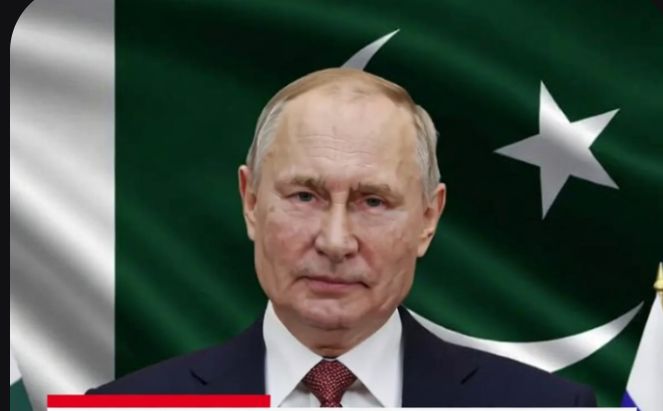
ISLAMABAD: Pakistan has formally offered Russia the use of Gwadar Port as a fully prepared trade corridor if challenges arise with the Chabahar route, positioning the deep-sea facility as a direct gateway from China’s Kashgar to Russian markets.
This proposal aligns with Islamabad’s broader strategy to emerge as a key transit hub linking Eurasia, Central Asia, and the Arabian Sea. Communications Minister Abdul Aleem Khan recently emphasized Pakistan’s readiness to provide high-efficiency overland routes for Russia and landlocked Central Asian republics.
The offer comes amid shifting regional supply chains and uncertainties surrounding Iran’s Chabahar Port, where recent US policy changes have impacted waivers and operations. Chabahar has long served as a vital node in the International North-South Transport Corridor connecting India, Iran, Russia, and Central Asia.
Pakistan argues that Gwadar offers a reliable alternative, fully integrated with the China-Pakistan Economic Corridor infrastructure. Gwadar connects seamlessly to Kashgar in China’s Xinjiang region via upgraded highways and planned rail links under CPEC.
This north-south linkage shortens distances significantly compared to traditional eastern sea routes for China and potentially Russia. The corridor reduces reliance on chokepoints like the Strait of Malacca, cutting transit times and costs for Eurasian trade.
Recent statements from the minister highlight six established land corridors facilitating transit, including routes via China-Kazakhstan and Trans-Afghan pathways. These connect Central Asian states directly to Arabian Sea ports.
Pakistan has allocated a dedicated 100-acre terminal at Gwadar specifically for Central Asian countries. This infrastructure supports efficient cargo handling and storage for landlocked neighbors.
The proposal extends to Russia, offering direct access from Kashgar through Pakistan to Gwadar. From there, goods can reach global shipping lanes or support overland extensions toward Russian territories.
Experts view this as a potential game-changer for regional trade. Gwadar provides Russia warm-water port access year-round, addressing seasonal limitations in northern ports.
Integration with CPEC enhances feasibility. The corridor already features energy pipelines, motorways, and industrial zones, creating synergies for expanded trade volumes.
Pakistan promotes Karachi and Gwadar as gateways linking South Asia, the Middle East, and Eurasia. The strategy leverages geographical advantages amid evolving geopolitical dynamics.
Central Asian republics continue exploring multiple options. Iranian ports like Bandar Abbas and Chabahar remain competitive due to established infrastructure, though Gwadar gains traction with Chinese backing.
Kazakhstan’s southward connectivity push favors Pakistan’s ports for diversification away from sanctioned routes. Recent engagements with Uzbekistan and Kazakhstan focus on digital customs and faster cross-border procedures.
The minister described Pakistan’s integration into Belarus-Russia-Central Asia corridors as a new era in connectivity. This reflects ambitions to bridge South Asia with northern Eurasian networks.
Challenges persist for Gwadar to achieve full potential. Security concerns in Balochistan, institutional barriers, and capacity upgrades require sustained efforts.
Despite these, the offer to Russia underscores Pakistan’s proactive diplomacy. It seeks to capitalize on CPEC investments while offering alternatives amid regional uncertainties.
Broader implications include strengthened Pakistan-Russia ties. Discussions on direct land and air connectivity signal growing economic collaboration.
Such corridors could boost bilateral trade, facilitate business travel, and reduce dependence on third-country routes.
For Russia, diversifying access to southern ports aligns with efforts to circumvent Western sanctions through Eurasian partnerships.
Pakistan positions itself as a stable bridge in this architecture. The Gwadar route promises shorter paths from Kashgar to Russian destinations via overland and sea combinations.
Analysts note that while Chabahar supports INSTC ambitions, Gwadar’s CPEC linkage offers complementary north-south flow. This could foster cooperative rather than purely competitive dynamics if geopolitics allow.
Pakistan’s outreach includes visa-on-arrival expansions for 126 countries to ease business interactions.
The proposal emphasizes efficiency and readiness. Gwadar stands prepared with modern facilities, contrasting with delays elsewhere.
This development may reshape Eurasian trade patterns. It highlights Pakistan’s role in emerging multipolar connectivity frameworks.
As regional players seek resilient supply chains, Gwadar’s strategic offer gains relevance. It promises mutual benefits through enhanced access and reduced logistical hurdles.