NEW DELHI – US President Donald Trump will open the world’s biggest cricketstadium and watch the sun set at the famed Taj Mahal during a lightningvisit to India starting Monday, but behind the spectacular optics he isexpected to face a protectionist counter-punch on trade.
Trump’s blossoming bromance with Prime Minister Narendra Modi that will beon show again belies prickly relations, particularly over commerce, withboth men ramping up protectionist measures.
Experts say this has hurt US efforts to make India a strategiccounterweight to China, while Trump’s mediation offer in the long-runningKashmir dispute with Pakistan has annoyed New Delhi.
“We’re not treated very well by India, but I happen to like Prime MinisterModi a lot,” Trump, 73, said before his maiden official visit to the nationof 1.3 billion with First Lady Melania, daughter Ivanka and son-in-lawJared Kushner.
The US president arrives in the western state of Gujarat where Modi’srecord while chief minister as a reformer and flag-bearer of Hindunationalism catapulted him to the national stage in 2014.
Trump told a rally on Thursday that “six to 10 million people” would bealong the route of his motorcade, but this appears to be amisunderstanding. Organisers said there will be tens of thousands.
A 700-metre (-yard) wall has been built, allegedly to hide a slum, whileconstruction workers have been rushing to complete the Sardar Patel Stadium.
It will be rammed with around 100,000 people for an event dubbed “NamasteTrump”, payback for a “Howdy, Modi” rally in Houston last year in front ofsome of America’s vast Indian diaspora.
– Pizza cheese –
The Trumps will then fly to the Taj Mahal, the white marble “jewel ofMuslim art” according to UNESCO, but afterwards it will be down to businessin New Delhi on Tuesday.
Reports suggest Trump and Modi may agree a modest trade pact covering itemsincluding imports of Harley-Davidson motorcycles and US dairy products suchas pizza cheese, as well as a number of defence and other deals.
But this will fall short of the comprehensive agreement the world’s largesteconomy and the planet’s biggest democracy have been seeking for years.
Tanvi Madan from the Brookings Institution said the lack of progress ontrade was the “big missing deliverable”, forcing both sides to focus moreon the “great optics” of the visit.
Trade relations have worsened as Trump’s “America First” strategy to reducethe US trade deficit bumps up against Modi’s “Make in India” drive asAsia’s third-largest economy flags.
Read Top Stories
Although small fry compared to his trade war with China, Trump in 2018levelled tariffs on steel and aluminium from India — and elsewhere — andin June stripped India of its preferential trade status.
Delhi responded with hiked duties on a raft of US agricultural goods suchas almonds, and restricted imports of certain medical devices. More tariffswere announced in the recent budget.
“We’re doing a very big trade deal with India,” Trump said before the visitbut conceded it may not be done before US elections in November.
This was echoed on Thursday by India’s foreign ministry which said it didnot want to “rush into a deal”.
And there are other sources of mutual irritation.
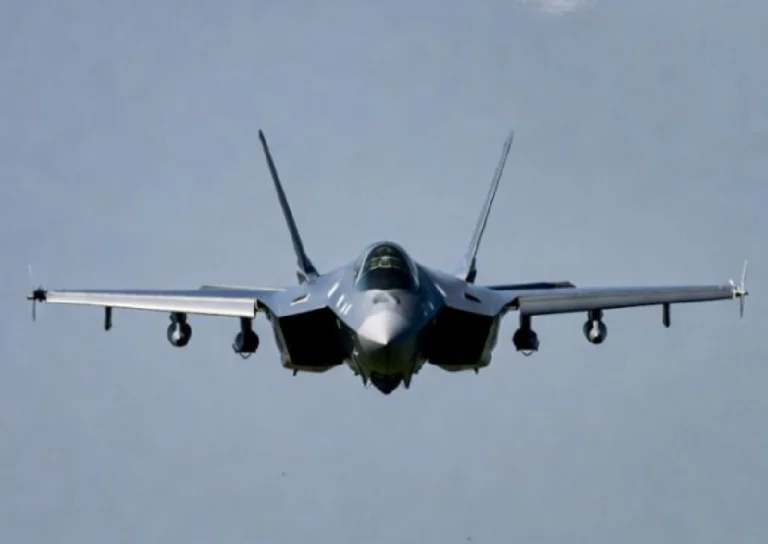
Trump and Modi may ink a $2.4-billion deal for US helicopters, but overallwhen it comes to arms, Russia remains India’s biggest supplier.
A US decision is outstanding on whether to slap sanctions on New Delhi forits planned purchase of Russia’s S-400 missile defence system.
Energy-hungry India was also irked by US pressure to stop buying Iranianoil, while Delhi’s plans to force foreign firms to store Indian consumers’personal data inside the country has also worried US businesses.
India has bristled at criticism in Washington about its recent security andcommunications lockdown in Kashmir, as well as of a contentious newcitizenship law seen as anti-Muslim.
But Harsh Pant from the Observer Research Foundation in Delhi said Trumpcoming to India sends an important signal to other countries that relationsremain “close” despite these differences.
“To be fair to India, they have managed Trump much better than othersincluding key US allies like Japan, Australia and other Western Europeancountries,” Pant told AFP. – APP / AFP