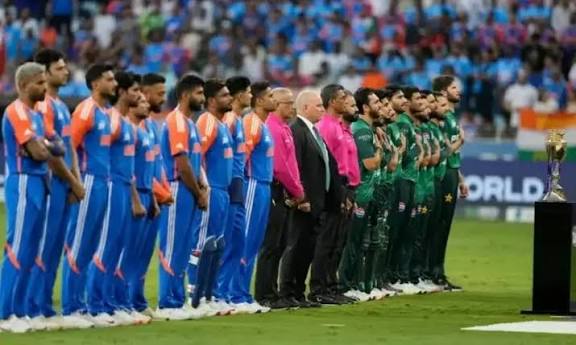
ISLAMABAD – On his way to New York to attend the 74th Session of the UnitedNations General Assembly (UNGA), Pakistan’s Prime Minister Imran Khanstopped over in Jeddah, Saudi Arabia for a two-day official visit yesterday.
As the meeting is taking place at a time when the Saudi oil industry hasbecome vulnerable to destructive drone attacks, it has added significance.
Being an old and trusted strategic ally, Islamabad can be expected to helpin mediation as well as suggesting and helping implement internal securitymeasures for the kingdom.
Even though Saudi Arabia has a highly trained military and advanced defencesystems, it remains under threat from further drone strikes as it does nothave the required deterrence to prevent asymmetrical attacks.
A completely new category of warfare has been initiated and thedrone/missile attacks seem to originate from a location farther than Yemen.
Having completed investigations just a day before Khan’s arrival, the Saudidefence ministry spokesperson, Colonel Turki al-Malki declaredlinkthat,”The attack was launched from the north and unquestionably sponsored byHowever, while debris from a drone and missile parts were put on display,al-Malki avoided putting direct blame on Iran, instead he explained that itcould have such weapons in its possession.
Calling for a UN investigation, the Saudi government wants to de-escalatethe matter and it wishes to avoid any major conflict.
Where Pakistan is concerned, PM Khan had assured the Saudi Crown PrinceMohammad bin Salman (MbS) of his implicit support even before his arrivalin the kingdom, saying that his country would take “its full stand with allits potentials in confrontinglink thesesabotage acts which threaten the global economy and the kingdom’s security.”
During his meetinglinkwithMbS, PM Imran Khan has vehemently condemned the Aramco attacks, at the sametime he has also “highlighted the tyranny of the Indian government” inKashmir.
Before the drone strikes took place, the initial purpose of his visit wasto muster support for resolving the Kashmir valley crisis. Pursuing thismatter, Khan had maintained regular contactlinkwiththe Saudi crown prince regarding the situation in the Kashmir valley.
Saudi Arabia’s entire oil industry and economy is at risk and Pakistan’sinvolvement in ending the deadlock is essential. However, Islamabad’sforeign policy in the Middle East has been to maintain neutrality andbalance between its neighbour Iran and its close ally Saudi Arabia, it maynot endorse Riyadh’s narrative but it will play a meaningful, neutral rolein defusing the situation.*Islamabad’s foreign policy in the Middle East has been to maintainneutrality and balance between its neighbour Iran and its close ally SaudiArabia, it may not endorse Riyadh’s narrative but it will play ameaningful, neutral role in defusing the situation*
Upsetting the balance between both the countries can complicate matters forPakistan on the domestic front as some of its population belongs to theShia sect.
Notwithstanding these limitations, the Pak-Saudi ties have been describedas “probably one of the closest relationships in the world between any twocountries without any official treaty” by the former head of Saudiintelligence, Prince Turki al-Faisal.
And the bonhomie has only increased, as observed in the Pakistan ForeignOffice statementlink,”Since the last visit of Mohammad bin Salman in February this year, therehas been a growing momentum in Pakistan-Saudi Arabia relations in all areasof cooperation.”
Therefore, both the allies can be expected to take some ‘quid pro quo’steps on Kashmir as well as the drone attack scenario.
Read Top Stories

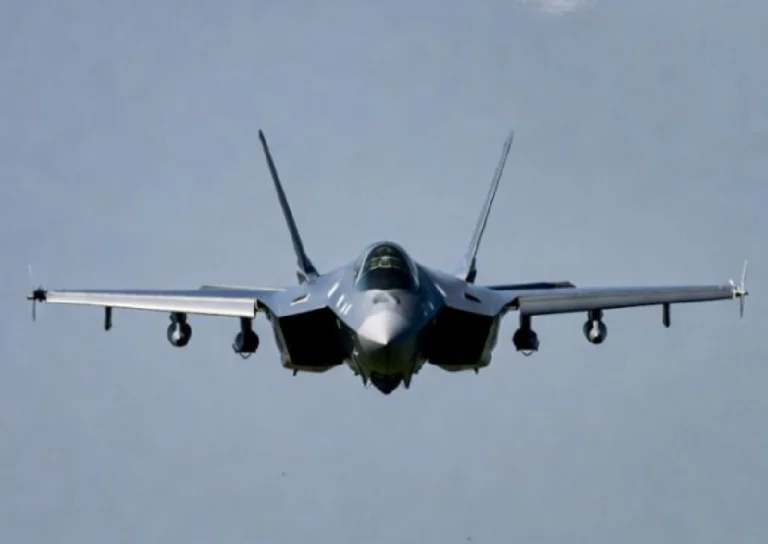
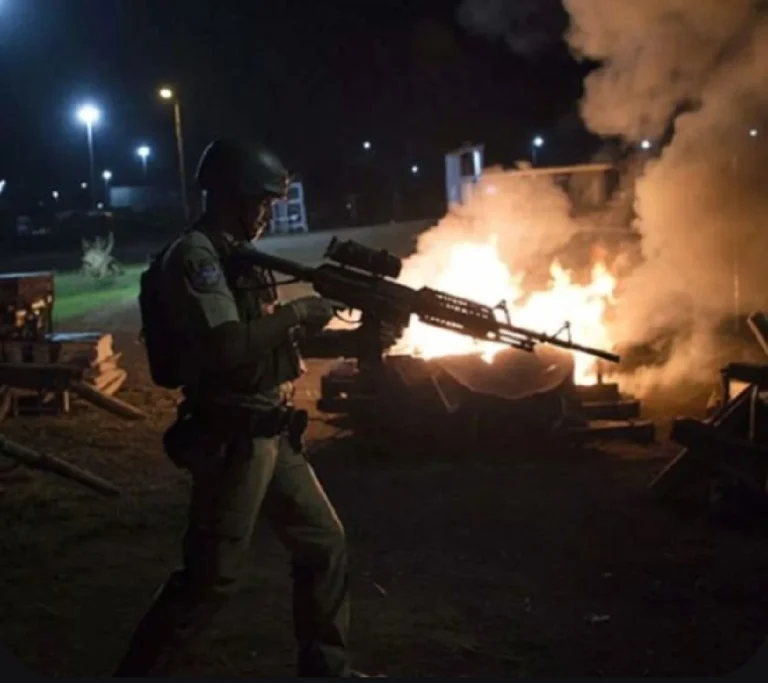
For starters, Pakistan could mediate between Saudi Arabia and Iran as any”all out warlink”can be disastrous for the whole region and disrupt Middle Eastern oil tradecompletely.
Finding a way to avoid confrontation can become even more difficult due tothe rhetoric. Adopting a defensive stance, Iranian Foreign Minister JawadZarif has saidlink,”We don’t want war, we don’t want to engage in a military confrontation,but we wont blink to defend our territory.”
Therefore, the first step should be to initiate back-channel negotiationsin order to prevent further attacks.
Saving Saudi oil and gas infrastructure from further attacks is toppriority. The drone strike on the Abqaiq oil production facility and theKhurais oilfield have already cut Saudi oil output by 5.7 million barrelsper day, more than 5 percent of link globaloil supply.
Interestingly, even Pakistan is projected to take a $1.2 billionlink hit with every $5 perbarrel increase in global oil prices as it Over the years, the Pak-Saudiequation has become “institutionalisedlink”and evolved into an inter-dependent security relationship, thereforebilateral relations with other countries may not upset their mutualunderstanding.
Pakistan has been facilitating the Saudi military with training programmesand shared intelligence to combat terrorism. Not only that, Islamabadprovides a security guaranteelink for the holy sites inSaudi Arabia.
Right now, the developing situation is extremely dangerous and combustible.According to Cinzia Biancolink,a Middle East analyst at the European Council on Foreign Relations, “InsideSaudi Arabia, there is uncertainty over the most appropriate course ofaction” and she has warned of “an out-of-control chain of escalatoryevents.”
In fact, results of backdoor negotiations can be expected soon and furtherdiscussions could be held as the Pakistan Foreign Office spokesmanlink has said that PM Khan isalso expected to “visit Saudi Arabia on his way back to Pakistan after theUNGA [session].”
Meanwhile, Islamabad also needs Riyadh’s support for its case on theongoing Kashmir issue. The disputed region remains under strict curfew eversince New Delhi revoked Article 370, a special clause which gave the valleyits UN recognised special status. Imran Khan will be highlighting thismatter in UNGA soon, and Pakistan is looking for a decisive resolution ofthe seven-decade long conflict.
Recently, Saudi Foreign Minister, Adel al-Jubeir and the UAE ForeignMinister, Abdullah bin Zayed al Nahyan visitedlinkIslamabadto show solidarity after PM Khan held telephonic conversations with thecrown princes of both their countries to protest regarding India’s actionin Kashmir. Nevertheless, despite this ‘solidarity show’ the UAEawarded Indian Prime Minister Narendra Modilinkhighestcivilian honour during his August visit to the oil-rich Gulf nation.
Iran has however already taken a stand for the people of Kashmir. Zarifrecently discussed the matter with the Indian Foreign Secretary during hisvisit to Tehran. Expressing concern for the condition of the people ofKashmir, he hopedlinkthatthe Indian government would adopt a fair policy and the situation of thedisputed region would improve. – The Arab News
*BY: Sabena Siddiqui is a foreign affairs journalist, lawyer andgeopolitical analyst specialising in modern China, the Belt and RoadInitiative, Middle East and South Asia. *
*Follow her on Twitter: @sabena_siddiqilink*