ISLAMABAD – Islamabad has invited Saudi Arabia to invest in theBeijing-funded, multi-billion dollar infrastructure corridor beingconstructed in Pakistan, its information minister said Thursday, asconcerns grow over the country s debt levels.
The China-Pakistan Economic Corridor (CPEC) is an ambitious plan to buildenergy and transport links connecting the western Chinese region ofXinjiang with the Arabian Sea via Pakistan, as part of Beijing s broaderBelt and Road initiative.
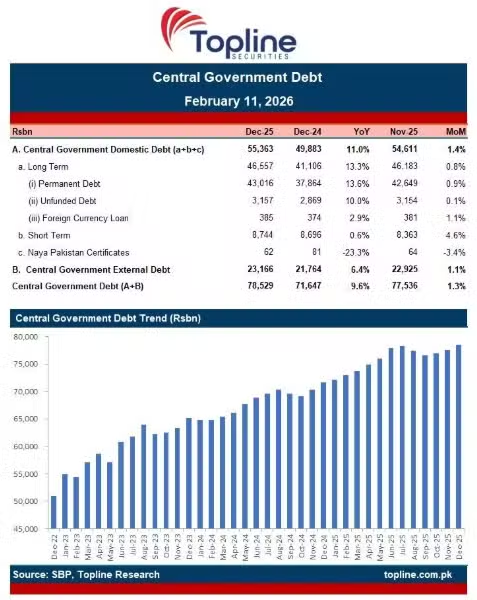
But the opaqueness of CPEC financing has led to concerns as Pakistan facesa looming balance-of-payments crisis, including fears about the country sability to repay Chinese loans.
Analysts say new Prime Minister Imran Khan s government will need to takeurgent action, potentially seeking a bailout from the InternationalMonetary Fund (IMF), unless it can secure other funding.
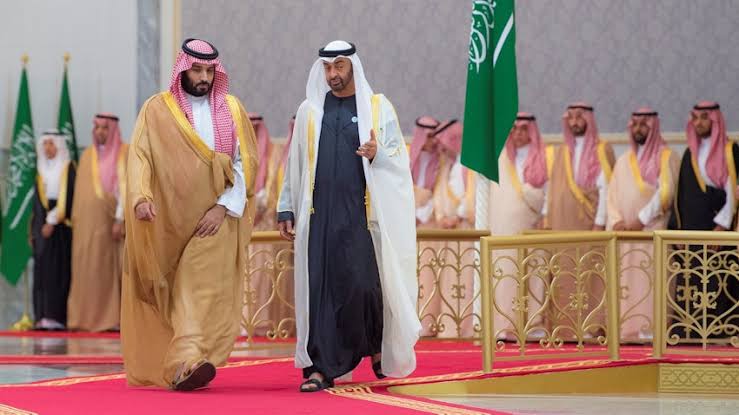
“Saudi Arabia is the first country whom we have invited to join CPEC asthird partner,” Information Minister Fawad Chaudhry told reporters inIslamabad after Khan s maiden foreign trip to the oil-rich kingdom.
He said a Saudi delegation including the finance and energy ministers willvisit Pakistan in the first week of October to lay the foundations for “bigfinancial cooperation” between the two countries.
He did not gave further details of the new “partnership”, but said SaudiArabia would have direct investments in major projects under the proposal.
“So now in CPEC, our third strategic partner and economic partner will beSaudi Arabia and by the grace of God huge investments will come from SaudiArabia to Pakistan,” he said.
Read Top Stories


China s massive “Belt and Road” initiative seeks to revive ancient traderoutes through a massive rail and maritime network via $1 trillion ininvestments across Asia and Europe.
Pakistan has gone to the IMF repeatedly since the late 1980s.
The last time was in 2013, when Islamabad got a $6.6 billion loan to tacklea similar crisis.
Analysts have said this time that the new government will have to actquickly as the country teeters on the verge of a new balance-of-paymentscrisis which could threaten its currency and its ability to repay debts orpay for imports.
Its budget deficit has grown steadily over the past five years, from fourpercent to 10 percent of GDP.
As a result, its foreign currency reserves have declined to about $10.3billion, covering less than two months of imports. The rupee has beendevalued four times since December, fuelling inflation. – APP/AFP