In a major development in the defense sector, Turkey and Pakistan haveannounced plans to establish a joint production facility aimed atdeveloping next-generation unmanned and stealth aerial platforms. Thiscollaborative initiative will focus on the co-development of suicide drones(loitering munitions), advanced unmanned aerial vehicles (UAVs), andcutting-edge stealth fighter aircraft.
The announcement, reportedly stemming from ongoing high-level defensecooperation talks, marks a significant step toward deepermilitary-industrial collaboration between the two strategic allies. Bothnations have expressed a shared vision of enhancing their indigenouscapabilities and reducing reliance on Western defense suppliers.
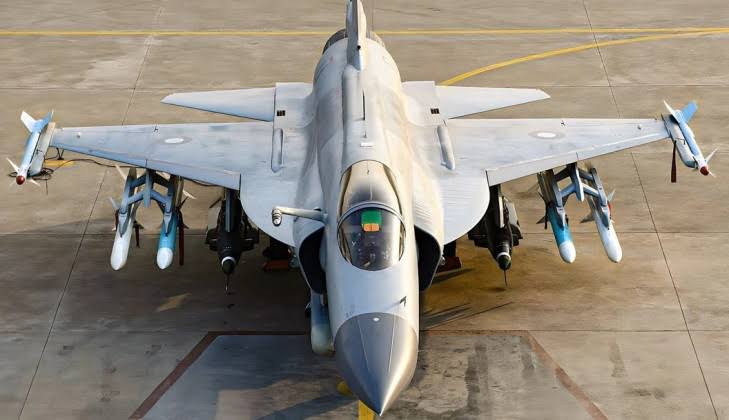
According to defense analysts, the project is likely to combine Turkey’sexpertise in UAV technology — as demonstrated by the globally recognizedBayraktar TB2 and Akinci drones — with Pakistan’s growing aeronauticalengineering base, notably its experience with the JF-17 Thunder fighterjet, developed in partnership with China.
Sources suggest the joint facility could be based in Pakistan’s KamraAeronautical Complex or in one of Turkey’s rapidly expanding aerospaceindustrial zones. The upcoming KAAN 5th-generation stealth fighter,currently under development by Turkish Aerospace Industries (TAI), is alsoexpected to feature in the collaboration, with Pakistan potentially joiningas a strategic production and technology partner.
This development follows a series of recent agreements signed betweenTurkey’s Presidency of Defence Industries (SSB) and Pakistan’s Ministry ofDefence Production, emphasizing technology transfer, joint R&D, and mutualtraining programs.
Read Top Stories

Both countries have been aligning their defense and geopolitical interestsin recent years, often voicing support for each other on internationalplatforms. Defense experts see this collaboration not only as atechnological leap but also as a political message in a rapidly evolvingglobal security environment.
If realized, this initiative could give both nations a competitive edge inthe global defense market, particularly among countries seeking affordableand advanced alternatives to Western platforms.