NEW DELHI, India: A recent lunch meeting between U.S. President Donald Trump and Pakistan’s military chief has triggered a quiet diplomatic protest from India, which privately warned Washington about potential damage to their bilateral relationship. The warning comes as New Delhi is reassessing its ties with China in an effort to diversify its strategic options, according to officials and analysts.
The meeting, along with other emerging tensions between the U.S. and India—despite decades of growing cooperation—has cast a cloud over ongoing trade negotiations. Trump’s administration is currently considering tariffs against India, one of its key Indo-Pacific partners.
Indian officials are particularly concerned that the U.S. is undermining their security interests by engaging Pakistan’s powerful military establishment. Three senior Indian government sources told Reuters that India holds Pakistan’s army responsible for supporting cross-border terrorism. They believe the Trump-Munir meeting sends the wrong message and could strain relations moving forward.
Pakistan, for its part, denies any involvement in supporting militant groups targeting India and argues that New Delhi has failed to provide any credible evidence to back its claims.
For the past two decades, U.S.-India ties have steadily improved, partly due to shared concerns about China’s growing influence. But this latest episode represents a new kind of tension, according to Michael Kugelman, a Washington-based senior fellow at the Asia Pacific Foundation.
“The U.S. is engaging more frequently and openly with Pakistan without addressing India’s concerns—especially in light of recent hostilities between India and Pakistan. That’s created a level of unease in the relationship,” Kugelman said. “What’s different now is that President Trump’s unpredictability is also spilling into trade policy, with potential tariff threats contributing to the strain.”
Neither the Indian Prime Minister’s Office nor the Foreign Ministry responded to requests for comment. However, the ministry has previously acknowledged the Trump-Munir lunch, saying it had “taken note” of the development.
A U.S. official, speaking on condition of anonymity, declined to comment on private diplomatic exchanges but emphasized that the United States maintains strong relationships with both India and Pakistan. “Each of these relationships stands on its own merits. We do not draw comparisons between them,” the official said.
Read Top Stories
White House Lunch Sparks Debate
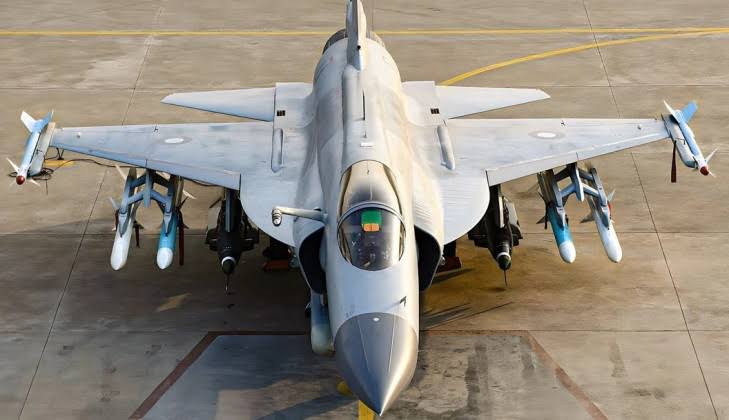
The shift in U.S. policy toward Pakistan appears to have taken shape after a brief but intense military standoff between India and Pakistan in May. The hostilities began when India launched airstrikes against what it claimed were terrorist camps inside Pakistan. The strikes followed an attack on Hindu tourists in Indian-administered Kashmir.
The conflict escalated into four days of aerial battles, missile exchanges, and drone attacks before the two nuclear-armed nations agreed to a ceasefire. Since their independence in 1947, India and Pakistan have fought three wars—two of them over the disputed region of Kashmir—and have frequently exchanged fire across the border.
Just weeks after the May confrontation, President Trump hosted General Asim Munir, Pakistan’s powerful army chief, for a private lunch at the White House. The meeting marked a significant shift in Washington’s approach to Islamabad, as this was the first time a U.S. president had hosted Pakistan’s top military leader without any senior civilian officials from Pakistan present.
The meeting is being seen as a diplomatic victory for Pakistan, particularly after a period of minimal engagement with both the Trump and Biden administrations. However, for India, it is a troubling sign that could affect its future strategic calculus.