ISLAMABAD: Israel has assessed that the United States military stands ready to launch a strike on Iran within as little as 24 hours if ordered, with the ultimate decision lying with President Donald Trump, according to reports from Israel’s public broadcaster Kan.
This estimation emerges against a backdrop of intense diplomatic pressure and massive military deployments in the region. Recent indirect talks between Washington and Tehran, held in Geneva, ended without a breakthrough, prompting accelerated preparations on both sides.
Israeli security officials cited by Kan indicated a rising likelihood of US military action following the latest round of negotiations. Assessments over the past 24 hours pointed to a shrinking timeline for any potential operation, shifting from weeks to possibly days.
The Kan report highlighted Israel’s own heightened state of readiness. Senior officials described preparations for a scenario where fighting could erupt soon, potentially extending into a weeks-long campaign involving multiple fronts.
US President Donald Trump has repeatedly warned Iran of severe consequences if no meaningful nuclear agreement is reached. He set a rough deadline of 10 to 15 days for progress, stating that Tehran must address concerns over its nuclear program, ballistic missiles, and regional proxy activities.
Trump emphasized that Iran cannot possess a nuclear weapon, insisting any deal must be comprehensive. He described ongoing talks as progressing but stressed that failure would lead to “bad things” happening.
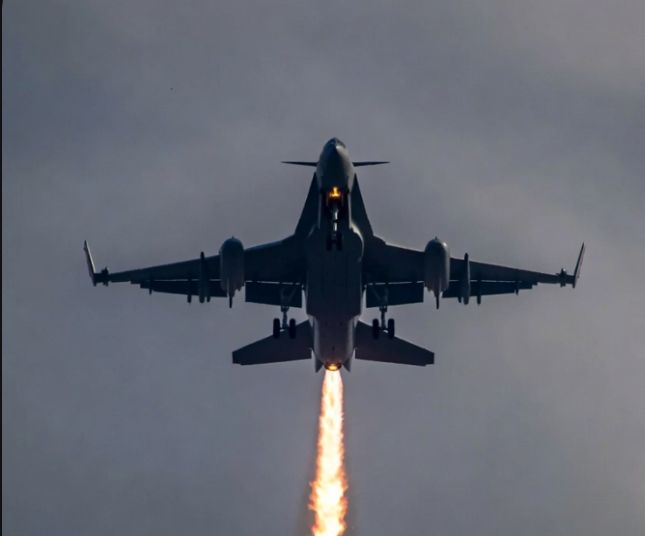
Military movements underscore the seriousness of the situation. The United States has surged forces into the Middle East, including the deployment of additional carrier strike groups like the USS Gerald R. Ford, dozens of advanced fighter jets such as F-35s, F-22s, and F-16s, and supporting assets like refuelers.
Reports from American outlets indicated that US forces could be positioned for strikes as early as this weekend, though no final order has been given. Officials briefed the White House that capabilities are in place for a sustained operation targeting nuclear sites, missile facilities, or even leadership elements.
Israel appears to anticipate possible US authorization for its own strikes, particularly against Iran’s ballistic missile infrastructure. Preparations include bolstering air defenses, intelligence gathering, and Home Front Command readiness for potential Iranian retaliation.
Iran has responded by fortifying key nuclear installations, rebuilding missile production capabilities damaged in prior conflicts, and conducting military drills. Tehran warned that any US attack would make American bases in the region legitimate targets.
The context traces back to earlier escalations. Last year, Israel conducted strikes on Iranian nuclear and military sites, triggering a 12-day conflict that drew direct US involvement, including bombings of facilities at Fordow, Natanz, and Isfahan.
Current tensions stem from Iran’s rejection of US demands for zero uranium enrichment and curbs on missile programs. Protests inside Iran and its support for groups like Hezbollah and Hamas further complicate diplomacy.
Analysts note that Trump favors a “maximum pressure” approach, combining threats with negotiations. Some reports suggest consideration of limited initial strikes to compel concessions without full-scale war.
The International Atomic Energy Agency board meeting in early March looms as a potential flashpoint. Diplomats expect discussions on censuring Iran, which could escalate matters if no deal materializes beforehand.
Regional actors remain on edge. Israel maintains alert levels along its northern border amid fears of Hezbollah involvement. Lebanese officials engage in efforts to deter escalation, while Iran pressures allies to stand ready.
No strike has occurred yet, and timelines remain fluid. Trump has not ruled out diplomacy but signals impatience with prolonged talks. The coming days will likely determine whether military options are exercised or negotiations yield results.
This volatile standoff carries risks of broader confrontation, drawing international calls for restraint while military posturing intensifies on all sides.