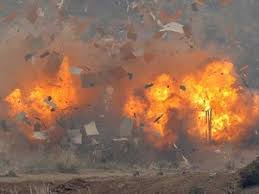
NEW DELHI – Five more protesters died in fresh clashes Friday betweenIndian police and demonstrators, taking the death toll to 14 from more thana week of unrest triggered by a citizenship law seen as anti-Muslim, asthousands rallied at the nation’s biggest mosque.
The law — making it easier for persecuted minorities from threeneighbouring countries to gain citizenship, but not if they are Muslim —has stoked fears Prime Minister Narendra Modi wants to remould India as aHindu nation, which he denies.
The latest deaths, in northern Uttar Pradesh state, followed the loss ofthree lives on Thursday when police opened fire on protesters in northernLucknow and southern Mangalore cities.
Four of the demonstrators — two from Meerut district and two fromneighbouring Muzaffarnagar district — died Friday from “gunshot wounds”,Meerut chief medical officer Rajkumar told AFP.
Rajkumar, who goes by one name, added that five police officers, includingthree with bullet wounds, were being treated in hospital.
In the city of Firozabad, also in Uttar Pradesh, a police spokesmanconfirmed “one person has died and at least one other is injured… duringthe protests”, but added the cause of death was not yet known.
Street battles also broke out in the heart of India’s capital late Fridaywith police firing a water cannon and baton charging protesters, whochanted anti-Modi slogans and threw stones.
A car was set on fire and an AFP protester on the scene saw demonstratorsbleeding from their heads and mouths during the clashes at Delhi Gate inthe Old Delhi district.
The confrontation came as thousands regathered at Delhi Gate following anearlier sit-in in the same area after marching from India’s biggest mosqueJama Masjid in the afternoon.
“All the people here, be it those who are Hindu, Muslim, Sikh or Christian— they are all out on the streets,” Tanvi Gudiya told AFP at another Delhirally in a Muslim neighbourhood after Friday prayers.
“So doesn’t it affect Modi at all? Does Modi not like anyone? Why is hebecoming like Hitler?
More than a dozen metro stations in Delhi were closed for thesecond-straight day.
Violence also spread to other parts of Uttar Pradesh, where almost 20percent of the 200-million population are Muslim, with demonstratorsthrowing stones and police firing tear gas.
In Modi’s home state of Gujarat, there were new clashes between securityforces and protesters in Vadodara city, a day after battles in the largestcity Ahmedabad left 20 policemen and 10 locals injured.
Read Top Stories

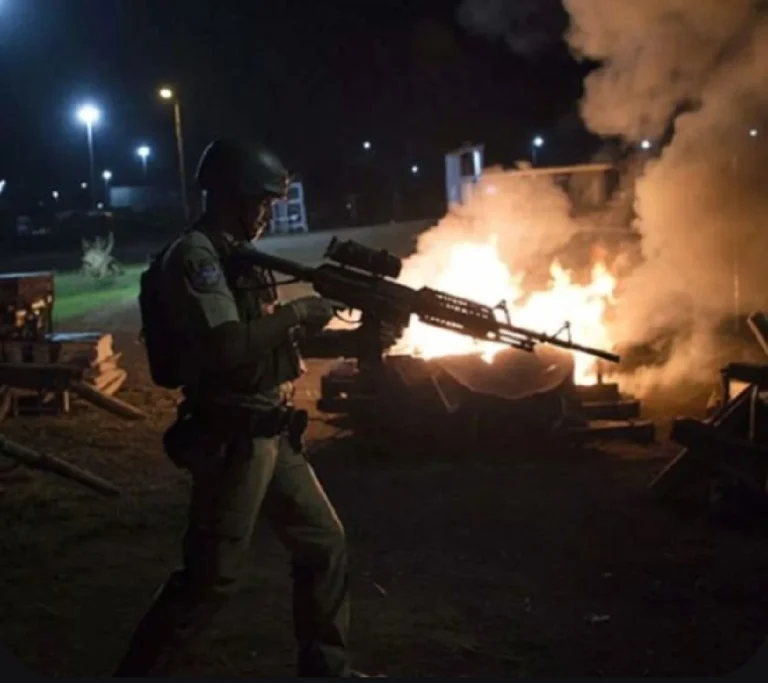
– Police open fire –
Tens of thousands had hit the streets nationwide Thursday, with violenceerupting in several places including Mangalore in the south.
Mangalore security forces opened fire on a crowd of around 200 people afterthey ignored orders to disperse, killing two people, the spokesman for thedeputy commissioner Qadir Shah told AFP.
Four others were in hospital with gunshot wounds, while 28 policemen wereinjured, medical and police officials told AFP.
A protester succumbed to gunshot injuries in Lucknow, said a doctor whodeclined to be named. Officers denied opening fire in the city.
Five people were arrested for “misleading and inflammatory” social mediaposted, police added.
In Ahmedabad, video footage shared on social media and confirmed by policeshowed officers in riot gear being pelted with stones by protesters onThursday.
Authorities have scrambled to contain the situation, imposing emergencylaws, blocking internet access, and shutting down shops in sensitive areasacross the country.
Mobile phone services were briefly suspended Thursday in pockets of thecapital, and access in parts of northeast India — where the wave ofprotests began — was only restored Friday.
In a strongly worded editorial, the Indian Express Friday said thegovernment must do all it can “to keep the peace” in the country, home to200 million Muslims.
“But in doing so the world’s largest democracy cannot look like it cannotaccommodate its young who disagree, it cannot afford to signal that it isso ill at ease with itself.
“India risks a lot if it begins to be seen as a place where the dissenter’smind is not without fear.” -APP/AFP