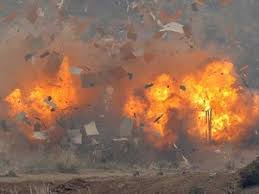
WASHINGTON – President Donald Trump issued an ominous warning to Iran onSunday, suggesting that if the Islamic republic attacks American interests,it will be destroyed.
“If Iran wants to fight, that will be the official end of Iran. Neverthreaten the United States again,” Trump said in a tweet.
Tensions between Washington and Tehran have been on the rise as the UnitedStates has deployed a carrier group and B-52 bombers to the Gulf over whatit termed Iranian “threats.” This account has been met with widespreadskepticism outside the United States.
The White House has sent mixed signals in recent days, amid multiple USmedia reports of infighting in Trump’s cabinet over how hard to pushWashington’s arch foe Iran.
The Trump administration has ordered non-essential diplomatic staff out ofIraq, citing threats from Iranian-backed Iraqi armed groups, and sent anaircraft carrier and heavy B-52 bombers to the region.
On Sunday, a Katyusha rocket was fired into Baghdad’s Green Zone housinggovernment offices and embassies including the US mission. It was notimmediately clear who was behind the attack.
According to US media reports, Trump’s long-hawkish national securityadvisor John Bolton is pushing a hard line on Iran, but others in theadministration are resisting.
Trump himself said recently that he has to “temper” Bolton.
Iran’s foreign minister downplayed the prospect of a new war in the regionon Saturday, saying Tehran opposed it and no party was under the “illusion”the Islamic republic could be confronted.
“We are certain… there will not be a war since neither we want a war nordoes anyone have the illusion they can confront Iran in the region,”Mohammad Javad Zarif told state-run news agency IRNA at the end of a visitto China.
Iran-US relations hit a new low last year as US Trump pulled out of a 2015nuclear deal and reimposed unilateral sanctions that had been lifted inexchange for Tehran scaling back its nuclear program.
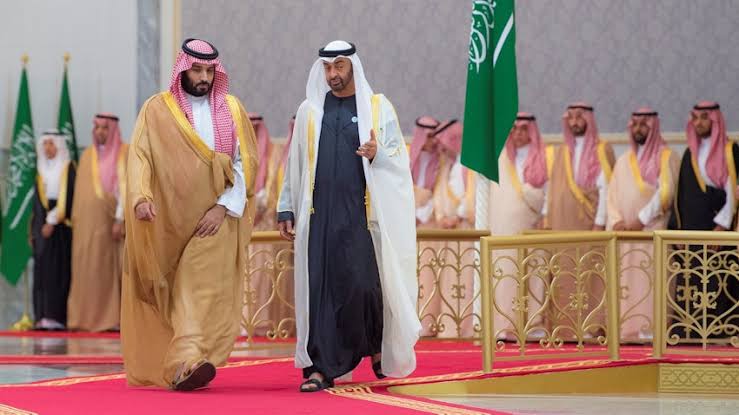
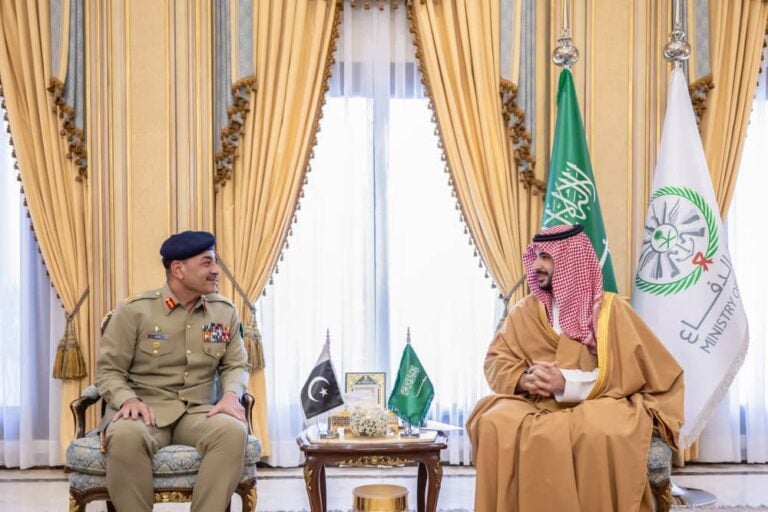
Saudi Arabia called Sunday for emergency regional talks to discuss themounting Gulf tensions, saying that it does not want war with Iran but isready to defend itself.
It comes days after mysterious sabotage attacks on several tankers inhighly sensitive Gulf waters and drone strikes on a Saudi crude pipeline byYemen rebels who Riyadh claimed were acting on Iranian orders.
King Salman invited Gulf leaders and Arab League member states to twoemergency summits in Mecca on May 30 to discuss recent “aggressions andtheir consequences”, the kingdom’s official SPA news agency reported lateSaturday.
Saudi Arabia’s minister of state for foreign affairs, Adel al-Jubeir, saidSunday his country does not want to go to war with Iran but would defenditself.
Saudi Arabia “does not want a war, is not looking for it and will doeverything to prevent it,” he said.
Read Top Stories
“But at the same time, if the other side chooses war, the kingdom willrespond with strength and determination to defend itself and its interests.”
The kingdom’s regional allies welcomed the Saudi invitation. The UnitedArab Emirates’ foreign ministry said the current “critical circumstances”require a unified Arab and Gulf stance.
Oil producing countries met Sunday in Saudi Arabia to discuss how tostabilise a volatile oil market amid the rising US-Iran tensions, whichthreaten to disrupt global supply.
Oil supplies are sufficient and stockpiles still rising despite massiveoutput drops from Iran and Venezuela, said Saudi Arabia and the United ArabEmirates said at the meeting in Jeddah.
– ‘Childish regimes’ –
Qatar Sunday weighed in on the escalating tensions, saying it did notbelieve the US or Iran wanted a war in the region.
“US President Donald Trump has said he does not want war, and I do notthink Iran wants war or instability in the region,” minister of state forforeign affairs Sultan al-Muraikhi told AFP on the sidelines of a QatarFund for Development briefing.
“I think if we move away from the childish regimes in the region, alltroubles will be settled.”
Muraikhi said Doha — which remains isolated by neighboring former alliesin a long-running diplomatic dispute — has not yet received a formalinvitation to either meeting.
Saudi Arabia, the United Arab Emirates, Bahrain and Egypt are among thecountries that cut ties with Qatar in June 2017 over accusations itsupports terrorism and seeks closer ties with Tehran.
Four ships including two Saudi oil tankers were damaged in mysterioussabotage attacks last Sunday off the UAE’s Fujairah, near the Strait ofHormuz — a vital maritime route for oil exports which Iran has threatenedto close in the event of a war.
That incident was followed by drone strikes Tuesday claimed by Yemen’sIran-aligned rebels on a major Saudi oil pipeline built as an alternativeexport route if the Strait of Hormuz were to be closed.
Saudi Arabia accused Tehran of ordering the pipeline attacks, targeting”the security of oil supplies… and the global economy”. -APP/AFP