ISLAMABAD: The Trump administration has approved an additional arms package worth approximately $7 billion for the United Arab Emirates, expanding existing defence agreements without requiring public disclosure under US export regulations.
The Wall Street Journal reported the development on March 19, citing US officials familiar with the matter. This unannounced sale adds to broader US efforts to bolster military capabilities of key Middle Eastern allies as regional conflicts intensify.
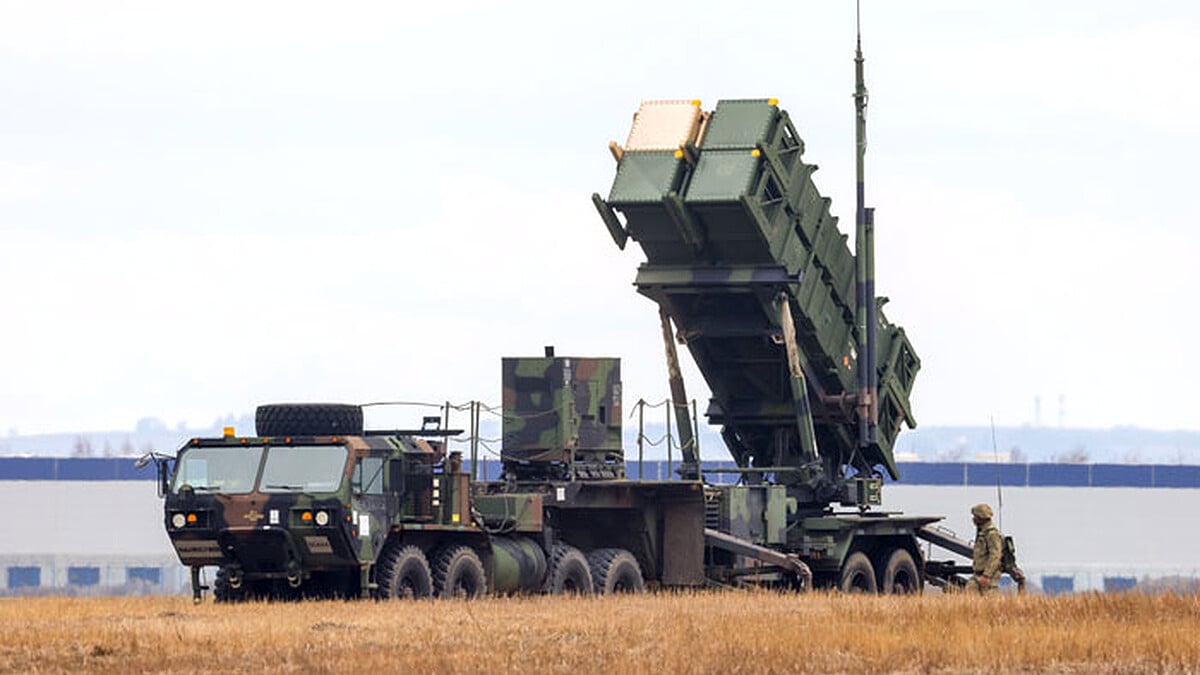
The package primarily includes Patriot PAC-3 missiles valued at about $5.6 billion. These advanced surface-to-air interceptors form a critical component of layered air defence systems, designed to counter ballistic missiles, cruise missiles and aircraft threats.
Patriot PAC-3 missiles represent an upgraded variant with hit-to-kill technology, offering enhanced precision and effectiveness against short- and medium-range ballistic threats. The UAE has long operated Patriot systems, and this expansion aims to replenish and augment stockpiles.
Complementing the missiles, the deal encompasses CH-47 Chinook helicopters costing roughly $1.32 billion. These heavy-lift tandem-rotor aircraft provide versatile transport capabilities for troops, equipment and supplies in diverse operational environments.
Chinook helicopters serve multiple roles, including troop insertion, casualty evacuation, resupply missions and artillery transport. Their inclusion strengthens the UAE’s mobility and logistical support in potential contingency scenarios.
This $7 billion transaction was not publicly notified because it modifies and expands previously notified and approved arms deals with the UAE. US rules allow such expansions to proceed without fresh congressional notification when they fall under existing frameworks.
The approval coincides with other major arms transactions announced by the US State Department on the same day. Those included potential sales exceeding $16.5 billion to the UAE, Kuwait and Jordan, covering drones, missiles, radar systems, F-16 munitions and counter-drone technologies.
Combined, these moves reflect Washington’s accelerated support for Gulf partners amid heightened security challenges in the region. Officials have justified the urgency by pointing to immediate threats requiring rapid capability enhancements.
The UAE maintains one of the most advanced militaries in the Arab world, with significant investments in US-origin equipment. Long-standing defence cooperation includes F-35 fighter jets, THAAD missile defence batteries and various precision munitions.
This latest package reinforces air defence and rotary-wing assets, addressing potential vulnerabilities in missile saturation attacks and extended operations. Analysts note that Patriot systems have proven effective in intercepting threats during recent regional escalations.
The Chinook additions enhance operational flexibility, supporting rapid deployment and sustainment in arid and coastal theatres where the UAE conducts exercises and missions.
Broader context involves ongoing US strategic priorities in the Middle East. The Trump administration has prioritised arms exports to allies as a tool for deterrence and burden-sharing in collective security arrangements.
Congressional oversight typically applies to major sales, but emergency provisions and expansions of prior cases allow faster processing. No formal objection period was triggered for this portion of the UAE support.
Defence contractors involved stand to benefit significantly. RTX Corporation, formerly Raytheon, produces Patriot systems, while Boeing manufactures the CH-47 Chinook. These companies have deep ties to Gulf procurement programmes.
The UAE’s defence budget remains robust, driven by diversification efforts and regional stability concerns. Abu Dhabi has pursued multi-vendor sourcing but continues heavy reliance on American technology for high-end capabilities.
Experts assess that the sale aligns with efforts to maintain qualitative military edge for partners facing asymmetric and conventional risks. It also signals continued US commitment despite domestic debates on arms transfers.
Regional observers link the timing to recent developments, including strikes and retaliatory actions involving Iran and its affiliates. Enhanced air defences and transport assets could prove vital in multi-domain operations.
The UAE has expressed appreciation for US partnership in past statements, emphasising shared interests in countering extremism and ensuring maritime security.
This development underscores the enduring strategic alignment between Washington and Abu Dhabi. It contributes to a pattern of substantial defence trade that has totalled tens of billions in recent years.
Future implications may include further notifications or expansions as regional dynamics evolve. The focus remains on interoperability and readiness to address emerging threats collectively.