ISLAMABAD- In a significant development reported on May 7, Pakistan’s advanced JF-17 Thunder Block-III fighter jet successfully jammed the radar of an Indian Rafale aircraft using its internal electronic warfare (EW) system.
According to credible defense sources, the incident marks a major milestone in the operational capabilities of Pakistan’s indigenous multirole fighter jet. The successful jamming demonstrates the technological advancements made in the Block-III variant, especially in the domain of electronic warfare and avionics.
The internal EW suite installed in the JF-17 Block-III reportedly managed to disrupt the radar systems of a Rafale aircraft, preventing it from locking onto its target. This capability is seen as a major leap forward for the Pakistan Air Force (PAF), giving it a strategic edge in air-to-air engagements and electronic countermeasure scenarios.
Analysts suggest that the development underscores the effectiveness of the JF-17 Block-III’s Chinese-origin AESA radar and advanced onboard systems, allowing it to compete with modern 4.5-generation fighters like the Rafale. While India has invested heavily in acquiring Rafale jets from France, this incident highlights the growing sophistication of Pakistan’s locally produced fighter fleet.
Read Top Stories
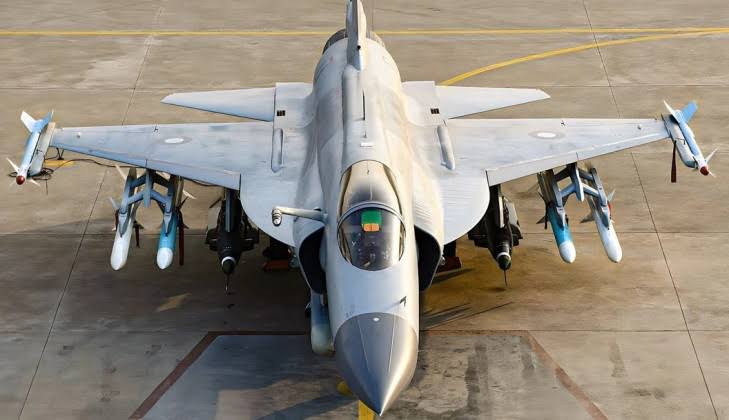

Defense experts believe that this event will have regional implications, especially in terms of future aerial combat dynamics in South Asia. The ability to jam advanced radars not only boosts defensive capabilities but also enhances first-strike survivability in contested environments.