ISLAMABAD: Pakistan’s Foreign Office has categorically dismissed speculation about the deployment of an International Security Assistance Force in Afghanistan, stating that no decision has been taken regarding any such initiative.
The spokesperson’s remarks came during a recent press briefing where questions arose over potential international involvement in Afghanistan’s security landscape. The clarification aimed to counter rumors circulating in diplomatic and media circles about a possible revival of multinational forces in the war-torn country.
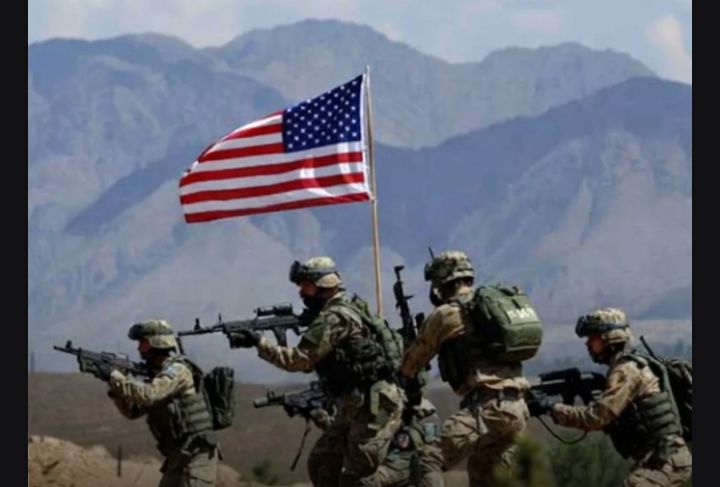
The original International Security Assistance Force, known as ISAF, operated under NATO leadership from 2001 to 2014. It focused on training Afghan forces, stabilizing the country, and combating insurgency following the US-led intervention after the September 11 attacks. At its peak, ISAF comprised troops from over 50 nations, including significant contributions from the United States, Britain, and other allies.
Pakistan played a complex role during the ISAF era. It provided logistical support through supply routes critical for NATO operations. However, relations soured over accusations of militant safe havens across the border. Incidents like the 2011 NATO airstrike that killed Pakistani soldiers strained ties further, leading to temporary border closures.
ISAF transitioned to the Resolute Support Mission in 2015, which ended with the full US withdrawal in 2021. The Taliban regained control shortly thereafter, ending two decades of international military presence.
Recent speculation about a new or revived ISAF-like force appears linked to ongoing regional instability. Escalating cross-border tensions between Pakistan and the Taliban administration have fueled discussions. Pakistan has accused Afghan soil of harboring groups like the Tehrik-e-Taliban Pakistan, responsible for attacks inside Pakistan.
In response, Pakistan has conducted airstrikes and maintained a firm stance on border security. Defense officials have warned of further actions if threats persist. These developments have prompted questions about whether external powers might push for renewed international intervention.
No credible evidence supports active proposals for a new multinational force resembling ISAF. The Taliban government remains opposed to foreign military presence. It has rejected overtures, including reported US interest in bases like Bagram.
Pakistan’s position aligns with caution toward any external deployment. The country prioritizes bilateral mechanisms to address security concerns. Officials emphasize dialogue over military coalitions involving foreign troops.
Analysts note that Pakistan’s security calculus focuses on neutralizing threats from Afghan-based militants. Islamabad has demanded action against groups launching attacks. The Taliban has denied providing sanctuary, accusing Pakistan of interference.
Broader geopolitical shifts influence the discourse. Renewed US engagement in the region, including discussions on rare earth minerals and security cooperation, has raised questions. However, no formal initiative for an ISAF revival has emerged from Washington or NATO.
Pakistan’s Foreign Office statement underscores a policy of non-commitment. It dismisses rumors as unsubstantiated, reflecting Islamabad’s preference for sovereign handling of border issues. The spokesperson highlighted that no consultations or decisions involve such a force.
Regional dynamics complicate the picture. Strained Pakistan-Afghanistan ties, marked by ceasefires and clashes, show no resolution. Incidents like attacks on Pakistani forces continue to drive rhetoric.
Experts argue that any international force would face immense challenges. The Taliban’s consolidated control and anti-foreign sentiment make deployment unlikely. Historical precedents from ISAF highlight difficulties in sustaining long-term presence amid insurgency.
Pakistan maintains that stability in Afghanistan serves its interests. It advocates for inclusive governance and counter-terrorism cooperation. Yet, mutual distrust hinders progress.
The Foreign Office’s denial aims to prevent misinformation from escalating tensions. It reaffirms Pakistan’s independent foreign policy stance. No involvement in hypothetical multinational missions has been contemplated.
Observers monitor developments closely. Escalating militant activities could prompt renewed international attention. For now, Pakistan focuses on direct measures to secure its frontiers.
The statement reinforces that speculation lacks foundation. Pakistan remains committed to addressing security through established channels. Any future shift would require careful consideration of national interests.
In summary, the absence of concrete proposals for an ISAF-like force underscores the current reality. Pakistan’s clear rejection of rumors signals continuity in its cautious approach toward Afghanistan’s evolving security environment.