ISLAMABAD: Hamas has issued a pointed appeal to United States President Donald Trump’s Board of Peace, urging the newly formed body to compel Israel to cease what the group describes as persistent violations of the Gaza ceasefire agreement brokered by Washington in October 2025.
The statement from Hamas spokesman Hazem Qassem, delivered in a video address, accused Israeli forces of continuing a campaign of killing, displacement, siege, and starvation in Gaza despite the truce that took effect on October 10, 2025.
According to data from Gaza’s health ministry cited by Al Jazeera, more than 600 Palestinians have been killed by Israeli forces since the ceasefire began, highlighting the fragile nature of the agreement.
The Board of Peace, chaired by President Trump and endorsed by United Nations Security Council Resolution 2803 of November 2025, is set to convene its first formal meeting in Washington on Thursday.
This gathering occurs as the peace process enters its second phase, which includes the decommissioning of Hamas weapons, further Israeli military withdrawal, deployment of an International Stabilisation Force, and the establishment of a technocratic Palestinian administration under Board oversight.
Hamas’s appeal coincides with escalating demands from Trump and Israeli Prime Minister Benjamin Netanyahu for the group’s full and immediate demilitarisation, with threats of renewed large-scale conflict if compliance is not met.
Trump has publicly insisted on Hamas upholding commitments to complete disarmament, while Netanyahu has proposed a 60-day ultimatum for the surrender of all weapons, including small arms.
Hamas has maintained that it never explicitly agreed to unilateral disarmament in the initial deal and has resisted such conditions, warning that the Board should not serve as a cover for continued aggression.
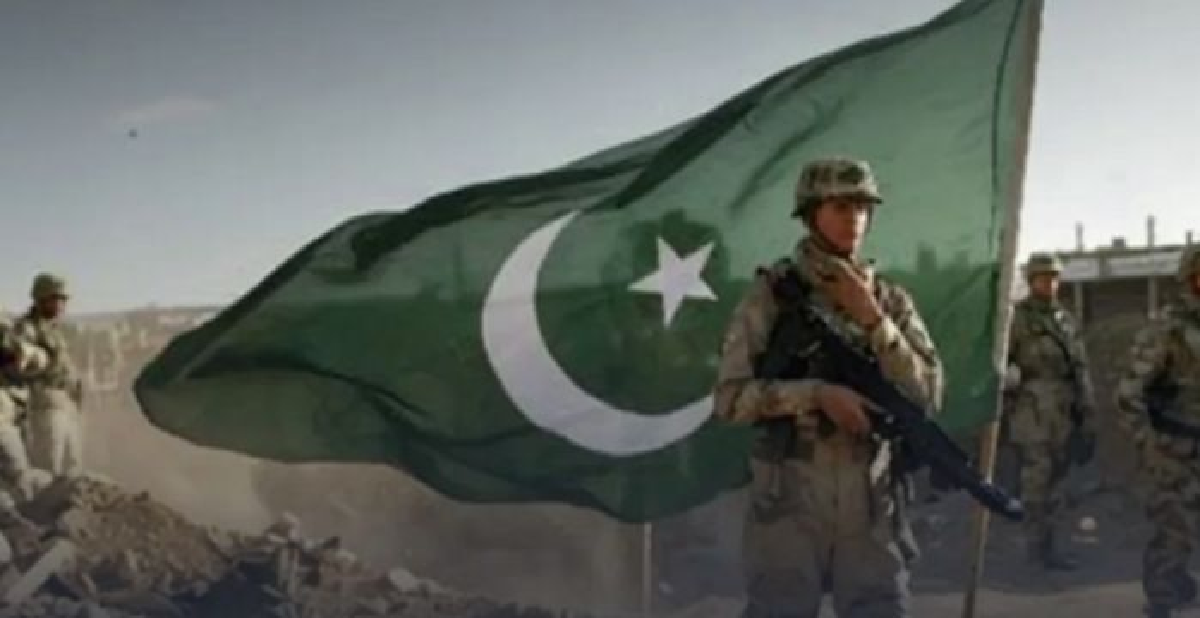
Pakistan’s recent decision to join the Board of Peace, announced in January 2026 following an invitation to Prime Minister Shehbaz Sharif, positions the country as a participant in this multinational framework alongside nations such as Egypt, Qatar, Turkey, and Israel.
The Board has secured pledges exceeding $5 billion for Gaza’s humanitarian aid and reconstruction, with member states committing thousands of personnel to the International Stabilisation Force tasked with maintaining security and supporting demilitarisation efforts.
Public sentiment in Pakistan shows strong support for contributing to a Gaza stabilisation mission under a Muslim-majority alliance and UN-approved framework, as indicated by a Gallup Pakistan survey where nearly three-quarters favoured troop deployment.
However, the involvement carries significant risks for Islamabad, particularly if Pakistan commits forces to disarm Hamas as part of the Board’s mandate.
Such participation could expose Pakistani troops to direct confrontation with Hamas fighters resisting demilitarisation, potentially leading to casualties and domestic backlash given widespread public sympathy for the Palestinian cause.
Critics within Pakistan have described the Board’s structure, which lacks direct Palestinian representation, as a potential betrayal of long-standing support for Palestinian self-determination.
Joining alongside Israel, a state Pakistan does not recognise, has sparked debate over whether this represents a subtle shift toward normalisation, driven by incentives including closer ties with the Trump administration and possible economic benefits from Gulf partners.
The presence of Pakistani personnel in a force enforcing Hamas disarmament amid ongoing truce violations could inflame anti-government protests, strain relations with militant groups, and complicate Islamabad’s delicate balancing act in regional diplomacy.
Furthermore, any perceived alignment with efforts seen as favouring Israeli security over Palestinian grievances risks alienating key domestic constituencies and inviting criticism from religious and political factions.
As the Board meeting approaches, Hamas’s statement underscores the deep mistrust surrounding the peace process and raises questions about the viability of international involvement in enforcing disarmament without addressing alleged ceasefire breaches.
The coming days will test whether the Board can bridge these divides or if escalating tensions will undermine the fragile progress achieved since October 2025.
Pakistan’s role in this evolving framework thus presents both an opportunity for diplomatic influence and a substantial challenge to national security and public cohesion.